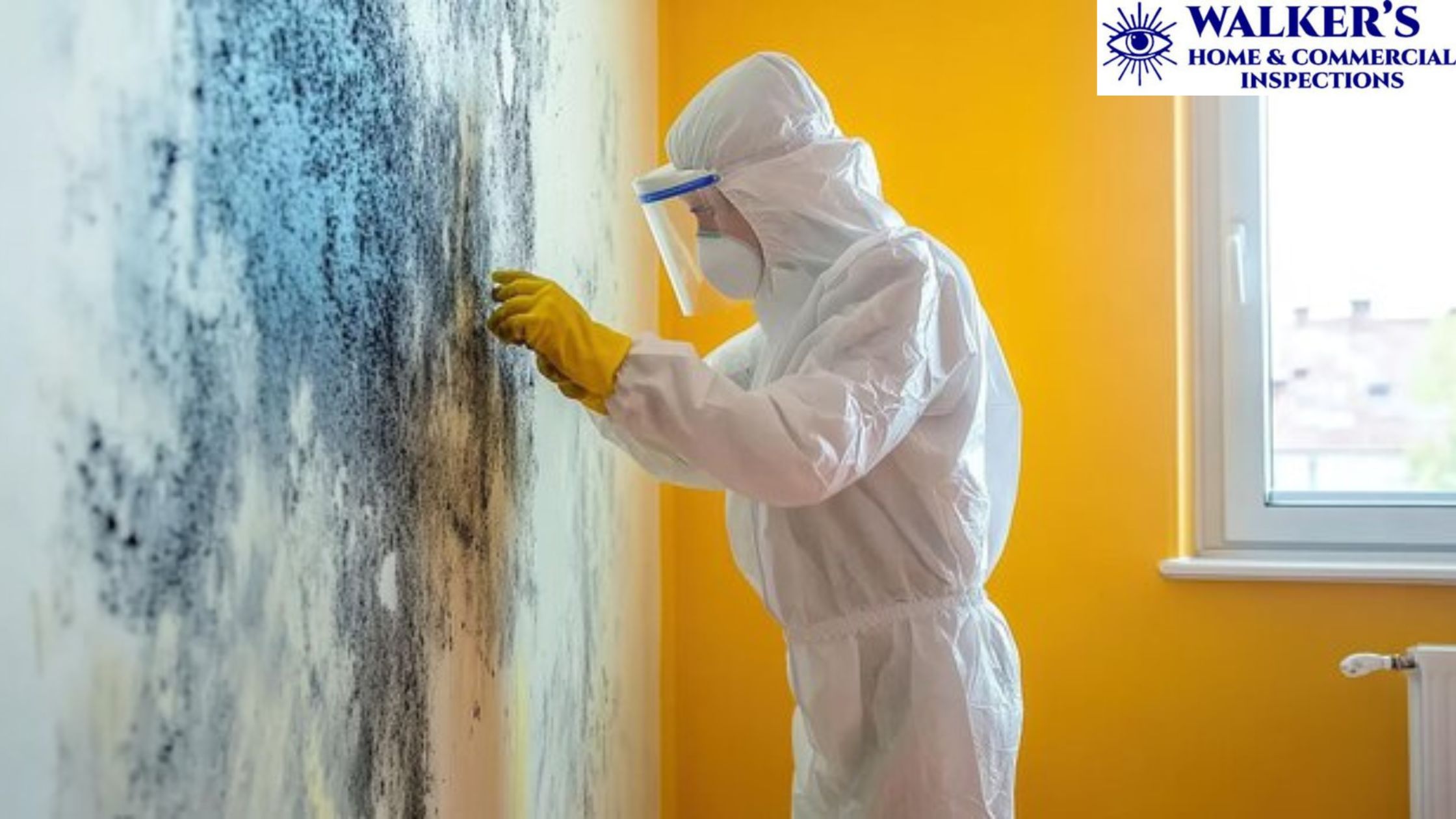



This article delves into indoor air quality testing in Orange County – exploring how it can help secure your and your family's health!
In recent years, there has been a growing awareness of the impact of air quality on health. While many people focus on outdoor pollution, they often overlook the air quality inside their homes. Indoor air pollution can be just as harmful—if not more—due to its proximity and constant exposure. With family health at stake, testing indoor air quality (IAQ) is essential. This guide highlights why IAQ matters, common pollutants, the benefits of indoor air quality testing in Orange County, and practical steps to keep your home’s air clean and safe.
Benefits of Indoor Air Quality Testing
Testing your home’s air quality provides a clear picture of what’s in the air your family breathes every day. Here are some of the main advantages:
1. Identifies Hidden Threats: Many indoor air pollutants are odorless and invisible. Testing can uncover pollutants like radon, CO, and VOCs that are impossible to detect on your own.
2. Supports Better Health: By identifying harmful substances, you can take steps to reduce their presence, directly benefiting family members’ respiratory and overall health.
3. Prevents Long-Term Health Issues: Prolonged exposure to certain pollutants can lead to chronic conditions, especially in children. Testing allows for early intervention to minimize long-term risks.
4. Increases Home Safety: Detecting high levels of carbon monoxide or radon not only improves air quality but also safeguards your home from dangerous conditions.
5. Improves Comfort: Clean air leads to fewer headaches, less congestion, and improved sleep, enhancing overall comfort and quality of life for everyone in the household.
How to Test Indoor Air Quality
If you’re concerned about the air quality in your home, there are several methods you can consider:
a) DIY Test Kits: Many affordable DIY kits are available for testing various pollutants, including radon, mold, and VOCs. These kits typically involve taking a sample from your home and sending it to a lab for analysis.
b) Air Quality Monitors: Electronic monitors measure pollutants like CO, radon, and VOCs in real time. These devices are convenient for ongoing monitoring and can alert you to any significant changes in air quality.
c) Professional Testing Services: For a comprehensive assessment, hiring a professional IAQ tester is often the best option. Professionals have advanced tools to measure pollutants and can offer advice on remediation options if problems are detected.
Steps to Improve Indoor Air Quality
Once you’ve tested your air quality, consider these steps to reduce pollutants and maintain a healthier environment:
i. Ventilate Regularly: Open windows and use exhaust fans to promote air circulation, especially when cooking or using cleaning products.
ii. Use Air Purifiers: High-efficiency particulate air (HEPA) filters can capture dust, pet dander, and other allergens, keeping the air clean.
iii. Control Humidity Levels: Dehumidifiers can help prevent mold growth by keeping humidity levels below 60%.
iv. Switch to Low-VOC Products: Choose paints, cleaning supplies, and furniture that are labeled as low or zero VOC.
v. Vacuum and Dust Frequently: Use a vacuum with a HEPA filter to reduce dust, pet dander, and other allergens that settle on surfaces.
vi. Regular Maintenance: Have your HVAC system inspected regularly, clean air ducts, and replace filters to ensure efficient air circulation.
Summing up, indoor air quality testing in Orange County is a proactive step toward protecting your family’s health. Identifying and managing indoor pollutants reduces the risk of respiratory and other health issues. When it comes to your family’s well-being, clean indoor air is essential. Taking action now will help ensure a safer, healthier future for everyone in your home.