Load studies are essential for maintaining the health and reliability of electrical power systems. These assessments help identify how much electricity different parts of a system consume, ensuring everything runs smoothly. But why are load studies so important? What benefits do they bring to businesses and facilities that rely on electrical systems? Let’s explore these questions to understand the significance of load studies in simpler terms.
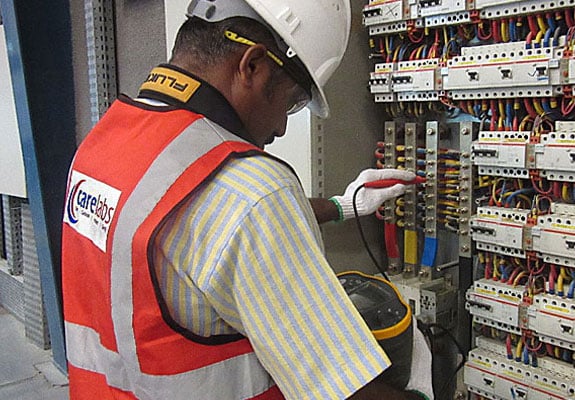
Load studies involve measuring and analyzing the electrical load on a system over time. This process helps engineers understand how much power is being used and where it is being consumed. By conducting load studies, businesses can prevent overloads, which occur when too much electricity flows through a circuit.
Preventing Overloads and Ensuring Stability
One of the primary reasons for conducting load studies is to prevent overloads. When electrical panels or equipment are pushed beyond their limits, it can result in serious problems like blown fuses or damaged machinery. Load studies help identify areas where the demand for electricity exceeds capacity, allowing for timely adjustments before issues arise. By monitoring these loads, businesses can ensure that their systems remain within safe operating limits.
In addition to preventing overloads, load studies play a vital role in maintaining system stability. Voltage fluctuations can cause equipment malfunctions or even permanent damage. Load studies help keep voltage levels within statutory limits, ensuring that all devices operate efficiently and safely. This stability is crucial not only for protecting equipment but also for maintaining productivity in any operation reliant on electrical power.
Planning for Future Growth
Load studies are also important for planning and expansion. As businesses grow, their energy needs often increase. Conducting a load study helps determine how much additional capacity will be required to support future growth. This information allows engineers to design systems that can handle increased loads without compromising safety or efficiency.
By understanding current usage patterns and predicting future demands, organizations can make informed decisions about upgrading their electrical systems. This proactive approach helps avoid last-minute changes that
Another benefit of load studies is optimizing operational parameters. These assessments can identify inefficiencies in how electricity is used within a facility. For example, they may reveal opportunities for improving reactive power compensation, which helps maintain voltage levels and reduces energy losses. By optimizing these parameters, businesses can lower their energy costs while enhancing overall system performance.
The Role of PQ Testing & Rentals, Inc.
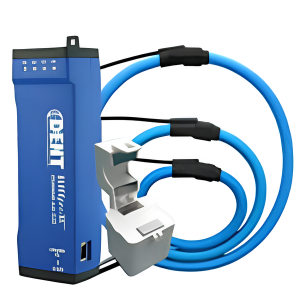
PQ Testing and Rentals, Inc. plays a pivotal role in conducting effective load studies. With their expertise in power quality solutions, they provide comprehensive assessments tailored to the specific needs of each client. Their team uses advanced equipment to gather accurate data on electrical loads and analyze the results thoroughly. This ensures that businesses receive actionable insights that can enhance system reliability and efficiency.
Moreover, PQ Testing and Rentals, Inc. understands the unique challenges faced by different industries. They work closely with clients to develop customized strategies that address specific concerns while promoting safety and compliance with regulatory standards.
Conclusion
In conclusion, load studies are vital for ensuring the stability, reliability, and efficiency of electrical power systems. By preventing overloads, maintaining voltage stability, facilitating future planning, and optimizing operational parameters, these assessments help protect valuable equipment and reduce costs. Organizations looking to improve their electrical systems should consider partnering with experts like PQ Testing and Rentals, Inc., who can provide the necessary insights and support for successful load management. Investing in load studies today will lead to safer and more efficient operations tomorrow.