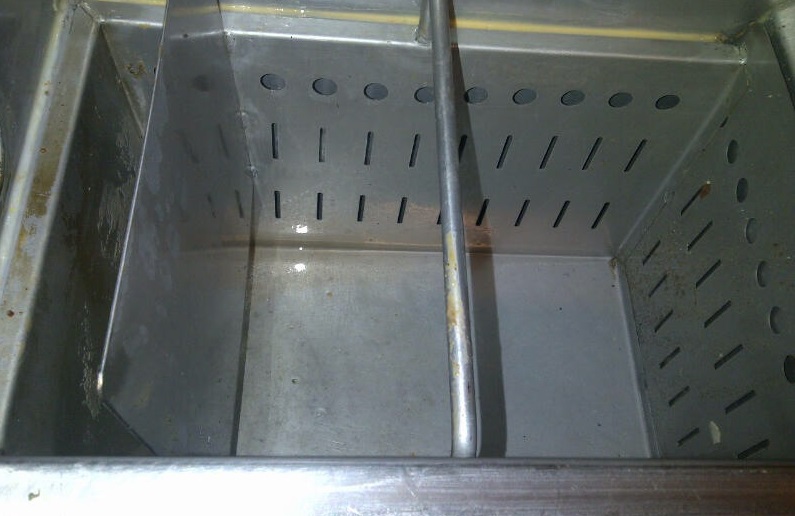


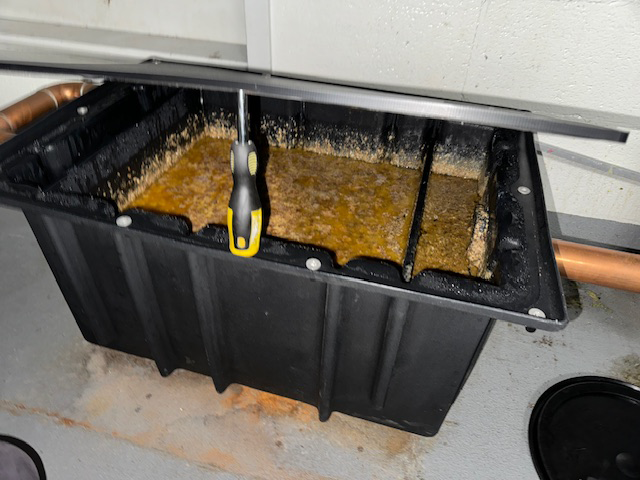
Grease traps, also known as grease interceptors, are essential components in commercial kitchens. Their primary purpose is to prevent fats, oils, and grease (FOG) from entering the wastewater system. FOG can solidify and cause blockages in the plumbing, leading to costly repairs and potential fines. By capturing these substances before they enter the sewer system, grease traps help maintain the efficiency and safety of the kitchen's operations.
How Grease Traps Work
Grease traps function by slowing down the flow of wastewater, allowing FOG to separate from the water. The trap contains a series of baffles that create a pathway for the water to flow through while capturing the grease. As the water cools, the grease solidifies and floats to the top, while heavier particles settle at the bottom. The cleaner water then exits the trap and continues into the sewer system.
Types of Grease Traps
There are two main types of grease traps: passive and automatic. Passive grease traps are the traditional type, typically installed under sinks or in the floor. They require manual cleaning and maintenance. Automatic grease traps, on the other hand, are more advanced and can automatically remove grease from the trap, reducing the need for frequent manual cleaning. Both types have their advantages and are suitable for different kitchen setups.
Step-by-Step Instructions for Cleaning Grease Traps
Gather Necessary Tools and Equipment
Before beginning the cleaning process, ensure you have the following tools and equipment:
- Rubber gloves
- Protective eyewear
- Face mask
- Plastic scraper
- Bucket
- Absorbent pads
- Trash bags
- Hot water
- Degreaser or dish soap
Turn Off Water Supply
Before starting the cleaning process, turn off the water supply to prevent any water from entering the grease trap during cleaning. This will make the process easier and more efficient.
Remove Grease Trap Lid
Carefully remove the lid of the grease trap. Be cautious as the lid may be heavy and greasy. Use a screwdriver or wrench if necessary to loosen any screws or bolts securing the lid.
Inspect the Grease Trap
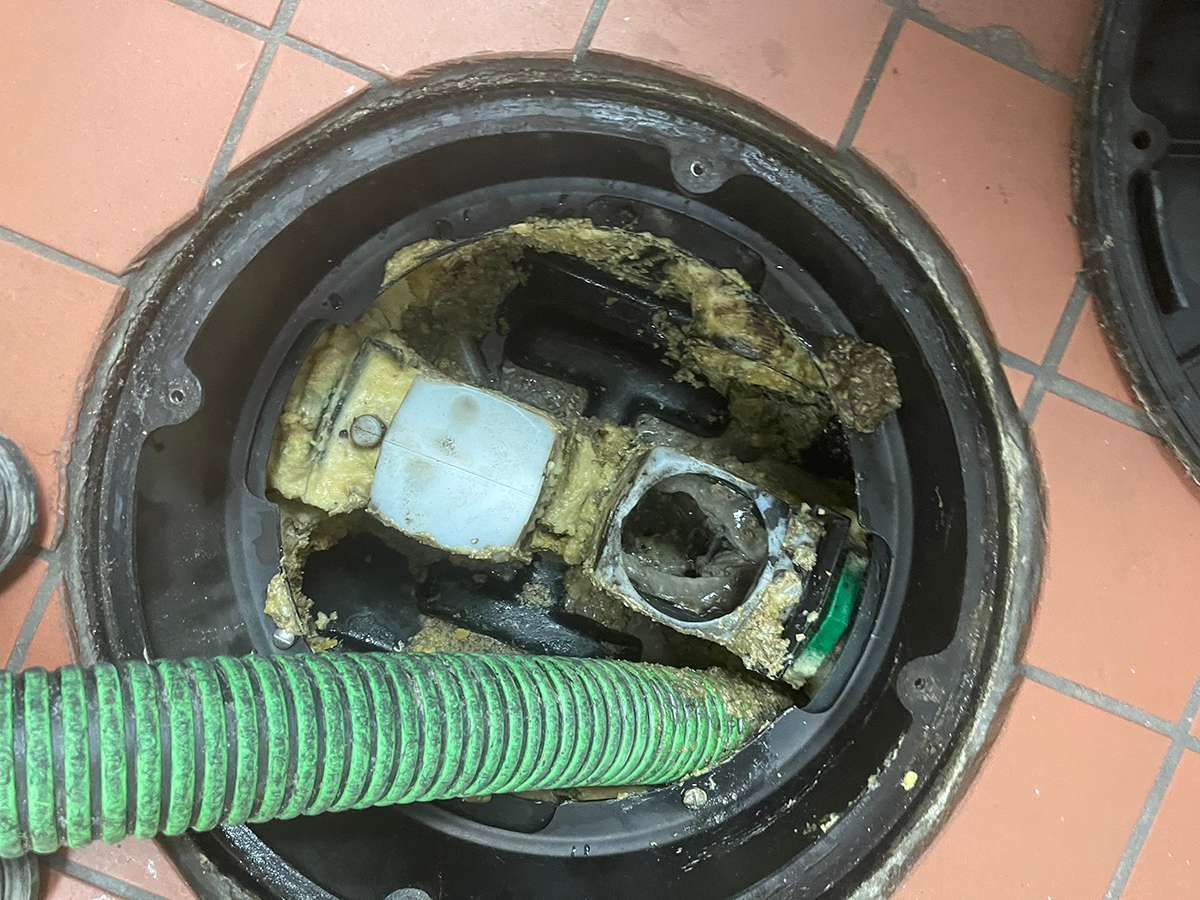
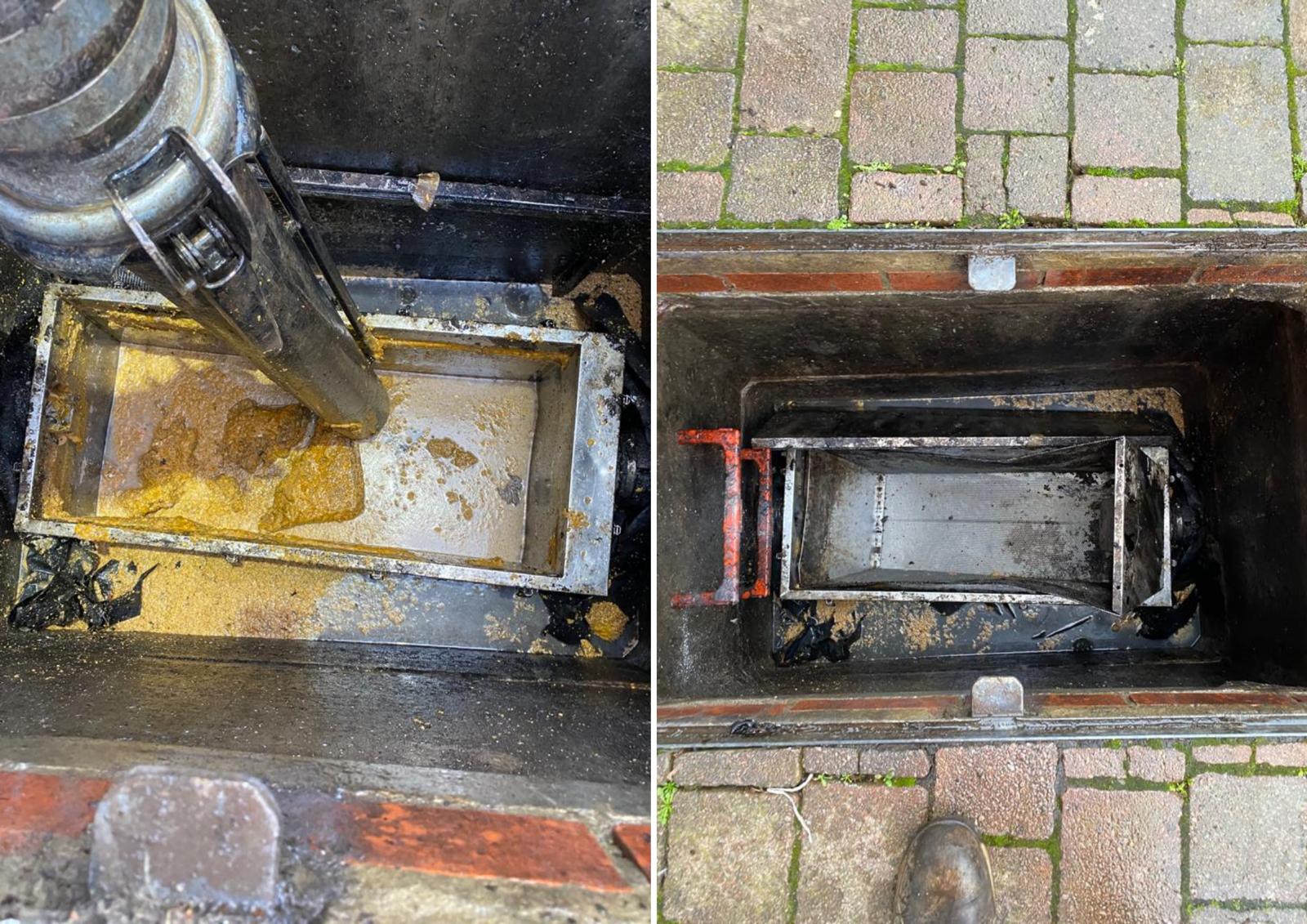
Once the lid is removed, inspect the interior of the grease trap. Note the level of grease and solid waste accumulation. This will give you an idea of how often the trap needs to be cleaned in the future.
Remove Grease and Solids
Using a plastic scraper, carefully remove the solidified grease and waste from the trap. Place the waste into a bucket lined with an absorbent pad to prevent leaks. Dispose of the waste in a sealed trash bag.
Clean the Interior
Once the majority of the waste is removed, use hot water and a degreaser or dish soap to clean the interior of the trap. Scrub the walls and baffles thoroughly to remove any remaining grease. Rinse with hot water to ensure all soap residue is removed.
Reassemble the Grease Trap
After cleaning, reassemble the grease trap by replacing the lid and securing any screws or bolts. Ensure the lid is properly sealed to prevent leaks.
Turn On Water Supply
Once the grease trap is reassembled, turn on the water supply and check for any leaks. Ensure the trap is functioning correctly before resuming kitchen operations.
Frequency of Grease Trap Maintenance
The frequency of grease trap maintenance depends on the volume of FOG produced by the kitchen. High-volume kitchens may need to clean their traps weekly, while lower-volume kitchens can do so monthly. Regular maintenance is crucial to prevent blockages and ensure the trap functions effectively.
Signs Your Grease Trap Needs Cleaning
Several signs indicate that your grease trap needs cleaning:
- Slow drainage or standing water in sinks
- Unpleasant odors coming from drains
- Grease overflow or leakage from the trap
- Increased pest activity in the kitchen
If you notice any of these signs, it's essential to clean your grease trap promptly to avoid more severe issues.
Professional Grease Trap Cleaning Services
For commercial kitchens that produce a significant amount of FOG, professional grease trap cleaning services may be necessary. These services have specialized equipment and expertise to handle large-scale grease trap maintenance efficiently. Hiring a professional service can save time and ensure the trap is cleaned thoroughly.
Benefits of Regular Grease Trap Maintenance
Regular grease trap maintenance offers several benefits:
- Prevents plumbing blockages and costly repairs
- Reduces unpleasant odors in the kitchen
- Ensures compliance with health and safety regulations
- Improves the overall efficiency of kitchen operations
- Minimizes the risk of pest infestations
By maintaining your grease trap regularly, you can avoid potential problems and keep your kitchen running smoothly.
Summing It Up
Grease trap maintenance is a crucial aspect of managing a commercial kitchen. Understanding the purpose and function of grease traps, along with following proper cleaning procedures, ensures optimal performance and prevents costly issues. Regular maintenance, whether done manually or through professional services, is essential to keep your kitchen efficient, safe, and compliant with regulations. By prioritizing grease trap maintenance, you can maintain a clean and functional kitchen environment.