





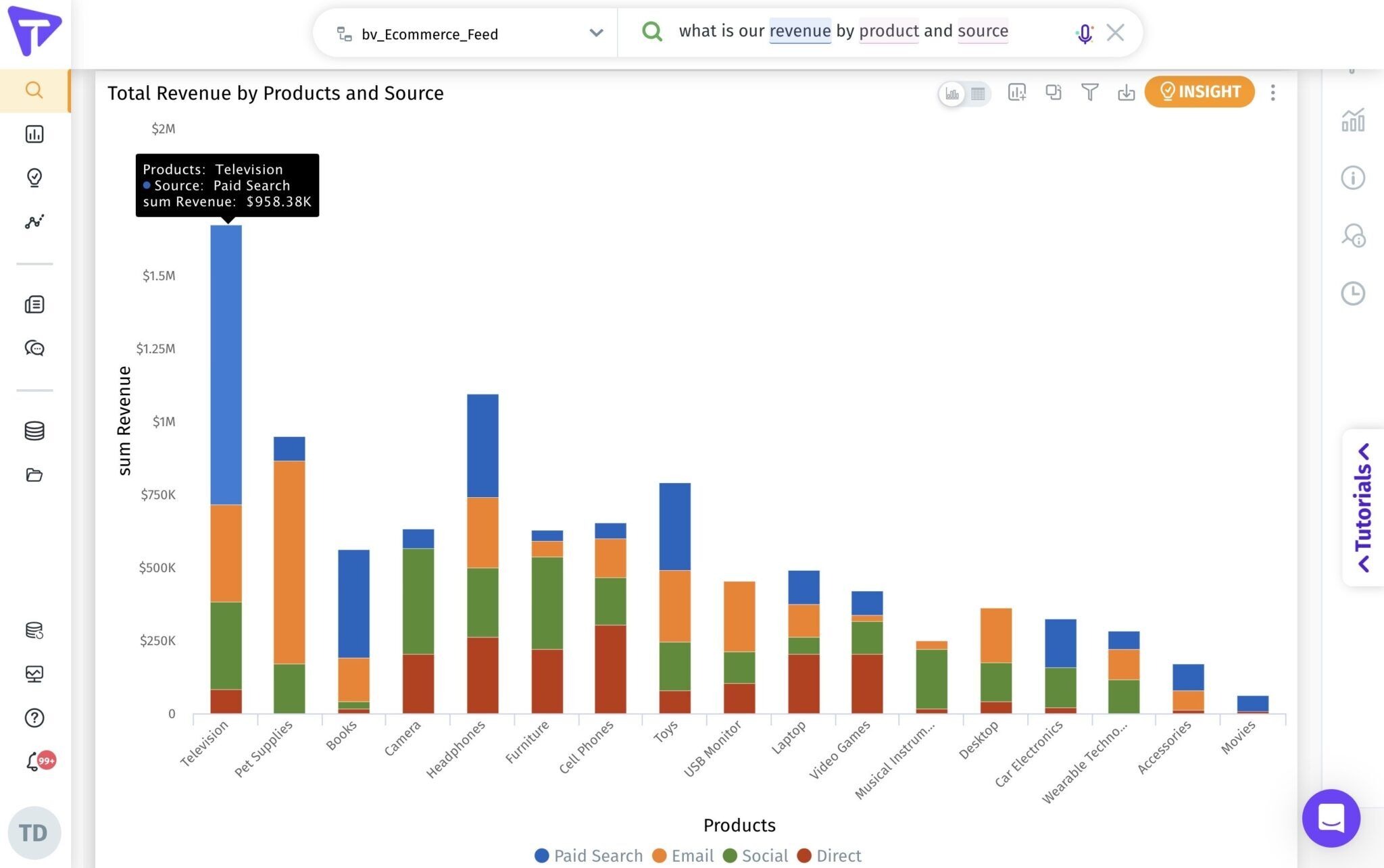
The consumer packaged goods (CPG) industry is one of the most dynamic and competitive sectors, requiring companies to stay agile and responsive to ever-changing consumer preferences. With the vast amounts of data generated by sales, marketing, supply chains, and consumer interactions, businesses have a powerful resource at their disposal. However, turning this data into actionable insights requires robust analytics strategies—this is where CPG analytics comes into play.
What Is CPG Analytics?
CPG analytics involves leveraging data and advanced analytical tools to optimize every aspect of the consumer packaged goods value chain. From predicting consumer behavior to streamlining supply chains and improving marketing strategies, CPG analytics transforms raw data into valuable business insights. These insights enable companies to make informed decisions that drive efficiency, profitability, and growth.
The Role of CPG Analytics in Today’s Market
As the CPG industry faces increasing competition and complexity, analytics has become a cornerstone of strategic decision-making. Companies must address several pressing challenges, including:

Shifting Consumer Preferences: Modern consumers demand personalized experiences, eco-friendly products, and transparency, making it essential to understand their evolving expectations.
E-commerce Expansion: The rise of online shopping has transformed traditional retail models, requiring businesses to adapt their strategies for digital platforms.
Supply Chain Disruptions: Uncertainties such as pandemics, geopolitical tensions, and natural disasters have highlighted the need for resilient and efficient supply chains.
CPG analytics provides the tools to navigate these challenges by offering insights into consumer behavior, market trends, and operational performance.
Key Benefits of CPG Analytics
Enhanced Consumer Understanding
By analyzing purchase data, social media trends, and customer feedback, CPG companies can gain a 360-degree view of their consumers. This understanding enables businesses to segment audiences effectively, personalize marketing efforts, and develop products that align with consumer needs.
Optimized Supply Chain Management
Analytics helps businesses monitor and predict supply chain performance, identify bottlenecks, and manage inventory effectively. Predictive analytics can anticipate demand surges, minimizing overstocking or stockouts and ensuring a smoother operation.
Improved Product Development
Using insights derived from consumer data, companies can identify market gaps and trends to innovate new products or improve existing ones. Analytics ensures that development efforts are focused on what the consumer truly desires.
Maximized Marketing ROI
CPG analytics tools can measure the effectiveness of marketing campaigns in real time. By tracking performance metrics, businesses can fine-tune their strategies, allocate resources more efficiently, and target high-value customer segments for better returns.
Data-Driven Decision-Making
With advanced analytics, companies can make informed decisions based on accurate, real-time data rather than relying on intuition or outdated information.
How to Implement CPG Analytics Effectively
To unlock the full potential of CPG analytics, businesses should:
Invest in Advanced Tools: Use modern analytics platforms like Tableau, Power BI, or specialized CPG analytics software that integrates with existing systems.
Leverage AI and Machine Learning: Enhance predictive and prescriptive analytics capabilities to uncover deeper insights and automate routine tasks.
Focus on Data Quality: Ensure data is clean, consistent, and up-to-date for reliable analysis.
Build a Skilled Team: Combine technical expertise with domain knowledge to extract the most value from analytics initiatives.
The Future of CPG Analytics
The future of CPG analytics lies in its integration with emerging technologies like artificial intelligence (AI), IoT (Internet of Things), and blockchain. These innovations will enable more granular insights, real-time tracking, and enhanced transparency across the value chain. Additionally, as consumer demands continue to evolve, businesses must remain agile, using analytics to stay ahead of trends and competition.
CPG analytics is no longer an option but a necessity for companies aiming to thrive in a fast-paced, consumer-centric market. By harnessing the power of data, businesses can enhance customer experiences, streamline operations, and drive innovation. As the industry evolves, those that embrace analytics will not only survive but lead the way in shaping the future of consumer packaged goods.

Develop repeatable and high-impact solutions to power your global strategy, all the way to the last mile with focused CPG data analytics & AI consulting.

Wipro's consumer packaged goods services offer digital transformation to CPG industry by enabling omni-channel commerce, value chain optimization, advanced analytics