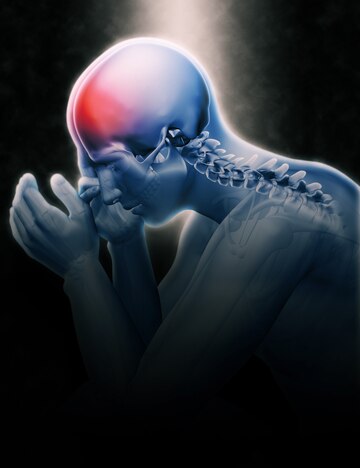
Neuropain, or neuropathic pain, is a complex condition that arises from damage or dysfunction in the nervous system. Unlike typical pain caused by injury or inflammation, in neuropain health, pain originates in the nerves themselves. This type of pain can be persistent, debilitating, and challenging to manage, making proper understanding and treatment essential for improving quality of life.
What is Neuropathic Pain?
Neuropathic pain occurs when nerves responsible for transmitting signals to the brain and spinal cord malfunction. These signals can be disrupted by injuries, diseases, or abnormal nerve activity, leading to pain sensations without an apparent cause.
Common symptoms include:
Causes of Neuropain
Neuropathic pain has a variety of causes, including:
- Diabetes: A leading cause, diabetic neuropathy results from prolonged high blood sugar levels damaging nerve fibers.
- Injuries: Physical trauma or surgeries can lead to nerve damage.
- Infections: Conditions like shingles or HIV can affect nerves.
- Neurological Disorders: Multiple sclerosis and other neurological conditions often involve nerve damage.
- Cancer and Chemotherapy: Tumors pressing on nerves or treatment side effects can cause neuropain.
Impact on Daily Life
Neuropathic pain can significantly affect physical and emotional well-being. Chronic pain may lead to difficulties in sleeping, reduced mobility, and mental health challenges such as anxiety and depression.
Diagnosis and Treatment
Diagnosing neuropathic pain involves a detailed medical history, physical examination, and diagnostic tests such as nerve conduction studies or imaging. Once diagnosed, a multifaceted treatment plan is essential.
1. Medications
- Anticonvulsants and Antidepressants: Drugs like gabapentin, pregabalin, or amitriptyline are often prescribed.
- Topical Treatments: Creams containing capsaicin or lidocaine patches can provide localized relief.
- Pain Relievers: In severe cases, opioids may be used with caution.
2. Non-Medication Therapies
- Physical Therapy: Improves mobility and reduces pain.
- Psychological Counseling: Cognitive-behavioral therapy (CBT) helps patients cope with chronic pain.
- Acupuncture: Emerging as a complementary treatment for nerve pain relief.
3. Advanced Interventions
- Nerve Blocks: Injections to block pain signals.
- Spinal Cord Stimulation: Implantable devices that disrupt pain signals before reaching the brain.
Prevention and Lifestyle Management
While some causes of neuropathic pain are unavoidable, managing risk factors can reduce its likelihood.
- Maintain Healthy Blood Sugar Levels: Crucial for people with diabetes to prevent neuropathy.
- Protective Measures: Avoid repetitive injuries or pressure on nerves.
- Healthy Diet and Exercise: Supports nerve health and reduces inflammation.
The Role of Pain Management Clinics
Pain management clinics specializing in neuropathic pain, such as Neuropain Health Centers, offer comprehensive care tailored to individual needs. These centers combine medication management, physical therapy, psychological support, and innovative treatments to address neuropathic pain holistically.
Conclusion
Neuropathic health is a challenging condition requiring a multidisciplinary approach for effective management. Early diagnosis and a combination of therapies can significantly improve symptoms and quality of life. If you or a loved one is experiencing persistent nerve pain, consulting with a healthcare professional specializing in neuro pain is the first step toward relief. For more information or to find resources near you, visit a trusted pain management center or consult with your healthcare provider.