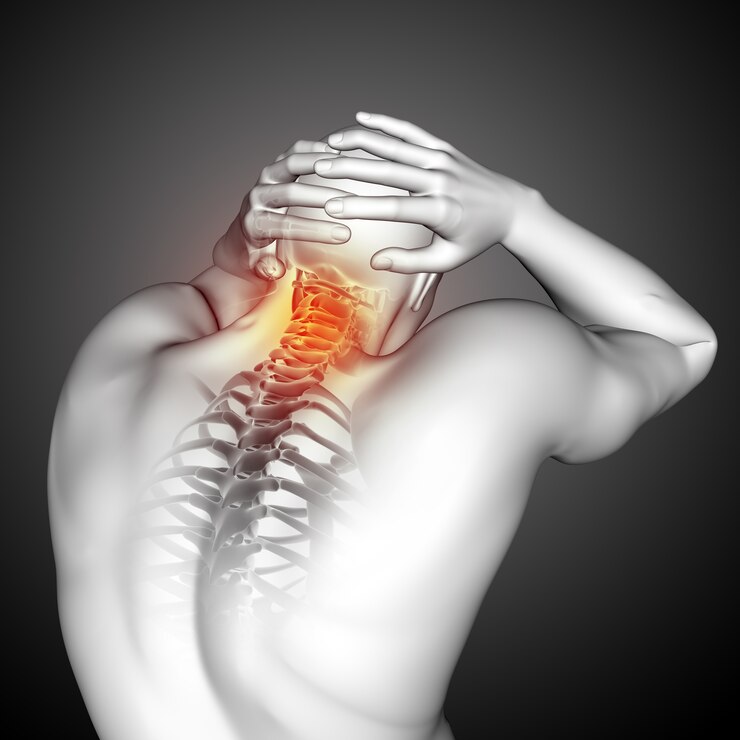
Pain is a complex and often debilitating condition that can affect every aspect of life. Whether acute or chronic, it requires effective management to restore function and improve overall well-being. It is where pain management physicians play a pivotal role. These highly trained specialists are dedicated to diagnosing, treating, and managing pain, offering patients tailored solutions that address their unique needs.
What is a Pain Management Physician?
Pain management physicians, also known as pain specialists, are medical doctors with advanced training in diagnosing and treating pain. They often have backgrounds in fields like anesthesiology, physical medicine and rehabilitation, or neurology, followed by specialized fellowship training in pain medicine. Their expertise enables them to address a wide range of pain conditions, from acute post-surgical pain to chronic conditions such as arthritis, neuropathy, and fibromyalgia.
Conditions Treated by Pain Management Physicians
- Chronic Pain: Conditions such as lower back pain, neck pain, and joint pain caused by degenerative diseases.
- Neuropathic Pain: Pain caused by nerve damage or dysfunction, often seen in conditions like diabetes or shingles.
- Cancer Pain: Pain resulting from tumors or treatment procedures.
- Post-Surgical Pain: Acute pain following surgical procedures that may persist beyond the normal healing period.
- Injury-Related Pain: Pain caused by traumatic injuries to the muscles, ligaments, or nerves.
Treatment Options Provided
Medications
Pain specialists prescribe medications such as anti-inflammatory drugs, muscle relaxants, nerve stabilizers, and opioids (used judiciously) to alleviate pain and improve functionality.
Injections and Interventional Procedures
- Epidural Steroid Injections: To reduce inflammation around the spinal nerves.
- Nerve Blocks: To temporarily interrupt pain signals.
- Radiofrequency Ablation (RFA): A minimally invasive procedure that uses heat to disrupt nerve pain transmission.
- Joint Injections: For conditions like arthritis provide relief in affected areas.
Physical Therapy and Rehabilitation
Collaborative efforts with physical therapists help patients strengthen muscles, improve mobility, and regain function, minimizing pain over time.
Alternative Therapies
Techniques such as acupuncture, chiropractic care, and biofeedback are often integrated into the treatment plan to provide holistic relief.
Advanced Technologies
Pain management physicians use cutting-edge technologies like spinal cord stimulators and intrathecal pain pumps to address severe, treatment-resistant pain.
The Patient-Centric Approach
Pain management physicians emphasize a patient-centric approach. During an initial consultation, they conduct thorough evaluations, including medical history, physical exams, and diagnostic tests, to determine the underlying cause of pain. They then develop a personalized treatment plan, focusing on reducing pain, improving function, and enhancing the overall quality of life.
Choosing the Right Specialist
When seeking a pain management physician, it’s essential to choose someone with the right credentials, experience, and a compassionate approach to care. Look for specialists who are board-certified in pain medicine and have a proven track record in treating your specific condition.
Conclusion
Pain management physicians are invaluable partners in the journey to regain control over one’s life from pain. By combining medical expertise, advanced treatments, and a compassionate approach, they empower patients to overcome pain and live healthier, more fulfilling lives. If you or someone you know is struggling with persistent pain, consulting a pain management physician could be the first step toward lasting relief.