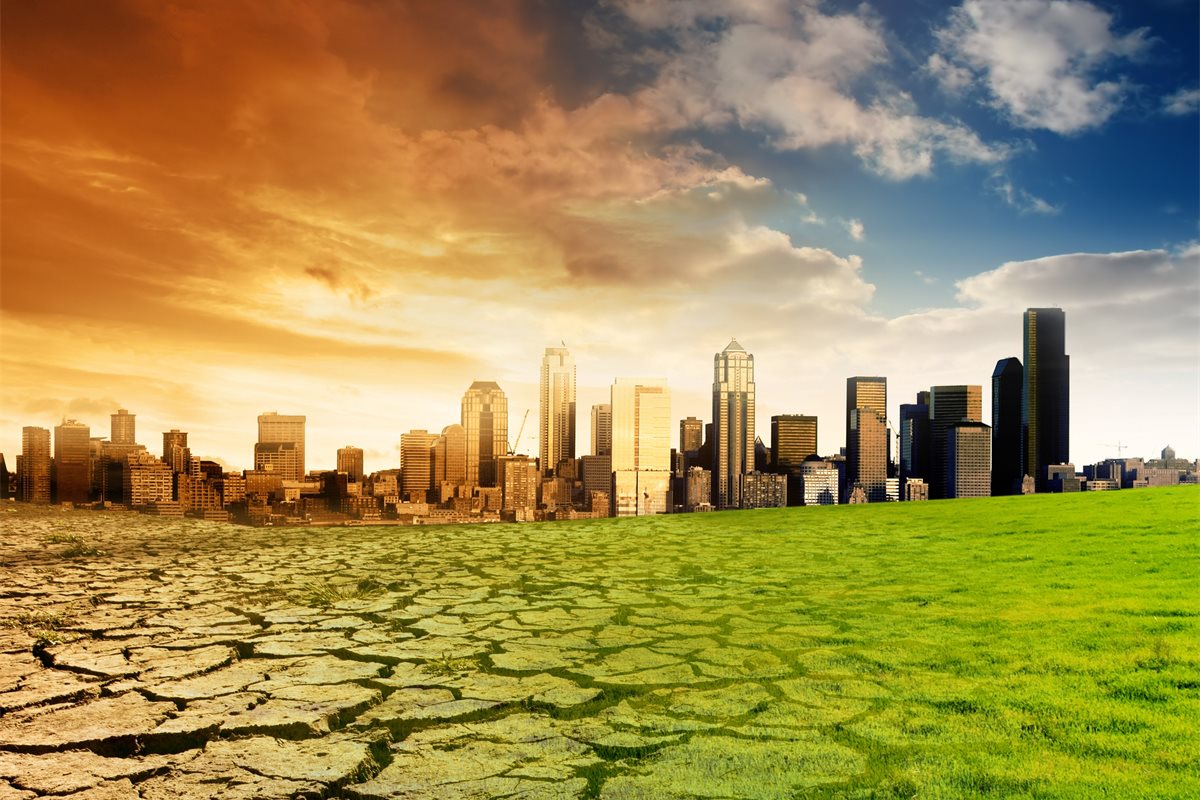


As climate change continues to reshape our world, its impact on various aspects of life is becoming increasingly evident. One area that is often overlooked, but significantly affected, is mold growth in homes.
The changing climate not only increases the frequency and intensity of weather events like heavy rainfall and storms, but it also creates a more favorable environment for mold to thrive.
In New Jersey, where weather patterns are already diverse and unpredictable, understanding how climate change influences mold growth is crucial for homeowners.
The Connection Between Climate Change and Mold Growth
Mold thrives in environments that are damp, warm, and poorly ventilated. The rise in temperatures and changes in precipitation patterns caused by climate change can create ideal conditions for mold spores to settle and multiply. Increased humidity levels, more frequent heavy rains, and rising temperatures all contribute to an environment where mold growth is more likely to occur in homes.
Increased Humidity and Its Role in Mold Growth
One of the primary factors that climate change affects is humidity. Higher global temperatures lead to higher moisture levels in the air, which in turn increases humidity. In New Jersey, where summers can already be quite humid, the added moisture in the air can result in condensation on walls, windows, and ceilings, creating the perfect breeding ground for mold. In poorly ventilated areas like basements and attics, this moisture can remain trapped, further promoting mold growth.
Heavy Rainfall and Flooding
New Jersey has experienced a noticeable increase in the frequency and intensity of heavy rainfall and storms in recent years. These extreme weather events can lead to flooding, especially in low-lying areas. Flooded homes create an environment where water can seep into walls, carpets, and other materials, offering ample opportunities for mold spores to take hold. Even after the water has been removed, the residual moisture left behind in the home can continue to promote mold growth if not properly addressed.
Rising Temperatures and Extended Growing Seasons
Warmer temperatures extend the growing season for many types of mold. What was once a seasonal issue is now a year-round problem in many areas. In New Jersey, this means that mold may not only be a concern during the warmer months but also during the colder months, especially in areas of the home that remain warm and humid. Furthermore, as temperatures rise, many molds that were previously dormant during cooler months may begin to grow earlier in the year and continue later into the fall and winter.
Poor Ventilation and Insulation in Homes
Inadequate ventilation and poor insulation can exacerbate mold growth, particularly during periods of heavy rain or high humidity. With more frequent and intense storms, homes are subjected to increased moisture infiltration, and without proper ventilation, this moisture remains trapped inside. Modern homes, while energy-efficient, are often tightly sealed to conserve energy, which can limit airflow and create an environment where mold can flourish. This is particularly a concern in New Jersey, where homes can be older and may not be equipped with proper ventilation systems to combat the increased humidity.
Mold's Impact on Health and Property
Mold growth is not just a cosmetic issue; it can have serious implications for both your health and the structure of your home. Mold spores can trigger allergic reactions, asthma attacks, and other respiratory problems, particularly in individuals with pre-existing conditions. In homes with a significant mold problem, the spores can spread throughout the property, affecting both residents and visitors. Mold can also cause structural damage to your home, weakening the integrity of walls, ceilings, and floors as it grows and spreads, leading to costly repairs.
Identifying Mold Growth in Your Home
Recognizing the signs of mold growth in your home is key to preventing further damage and health issues. Mold often appears as black, green, or white patches on walls, ceilings, or hidden areas like behind furniture. The presence of a musty or earthy odor is another indicator that mold may be growing somewhere in your home. Additionally, if you or anyone in your household begins to experience unexplained respiratory symptoms or allergic reactions, it could be a sign of mold exposure.
Preventing Mold Growth in a Changing Climate
While the effects of climate change are difficult to control, there are steps homeowners in New Jersey can take to prevent mold growth. Keeping humidity levels in check is one of the most effective ways to minimize mold risk. Dehumidifiers can be used in areas prone to moisture, like basements, while proper ventilation in kitchens, bathrooms, and laundry rooms can help reduce humidity levels. Ensuring that your home is well-insulated and sealed can also prevent water from seeping in during heavy rains and storms. If flooding does occur, it’s essential to address water damage promptly and dry out the affected areas as quickly as possible to avoid mold growth.
The Importance of Professional Mold Removal Services
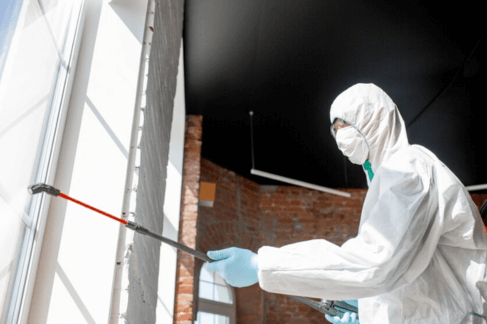
If you suspect mold growth in your home or if you’ve experienced water damage, it’s essential to seek professional help. Mold removal requires specialized equipment and expertise to ensure that it is safely and thoroughly eliminated. Hiring a certified company for mold removal like Above & Beyond can help identify hidden mold, prevent further contamination, and protect your home and health.
Conclusion
Climate change is undeniably influencing mold growth in homes, particularly in areas like New Jersey that experience fluctuating weather patterns. Rising humidity, heavier rainfall, and increased temperatures all contribute to an environment where mold can thrive.
Homeowners must stay vigilant about potential mold growth and take proactive steps to prevent it. If you notice any signs of mold or water damage in your home, it’s important to act quickly and seek professional mold removal services, like Above & Beyond, to protect your health and your property.





It is apparent that even with his engagements with the global business community he has leveraged the demography of India to showcase an evident market opportunity in India.
Meetings of PM Modi with various business leaders in the past week in the USA and his speech at United Nations General Assembly underline his resolve to focus on welfare of millions of Indians.
After reaching Houston, he discussed methods to harness opportunities in the Indian energy sector with leading global energy sector CEOs.
Moreover, India is rapidly modernizing cities equipping them with latest technology and citizen friendly infrastructure.
Insolvency and Bankruptcy Code has been implemented.
Democracy, Demography, Demand and Decisiveness are four important features of the Indian growth story today.