

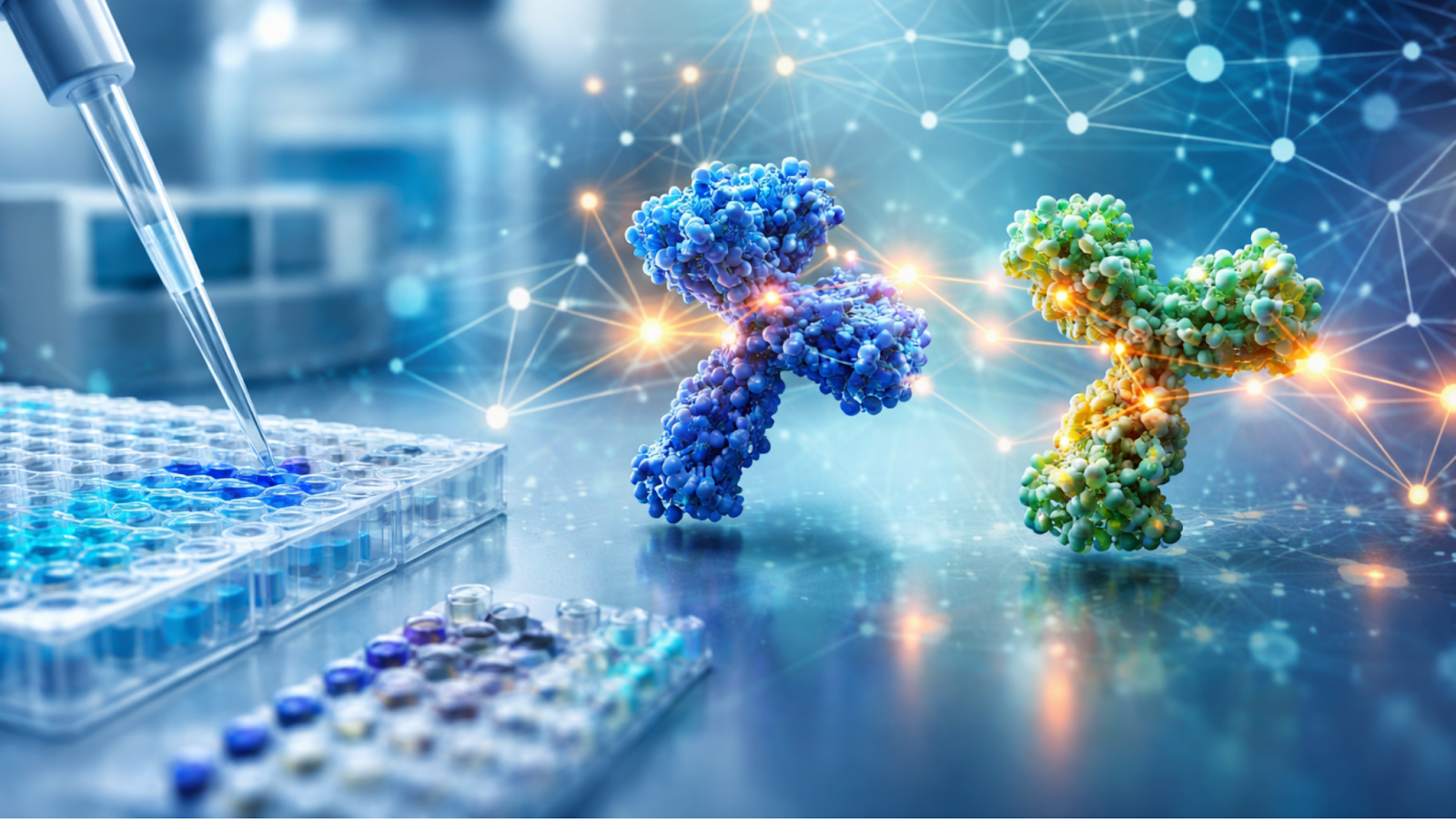
Protein–protein interactions (PPIs) form the functional backbone of nearly every biological process, from intracellular signaling and transcriptional regulation to immune response and metabolic control. Identifying novel protein interactions is therefore central to modern molecular biology, systems biology, drug discovery, and translational research. As research shifts toward increasingly complex biological systems, the ability to discover, validate, and quantify new interactions has become both more powerful and more challenging.
Discovery Platforms for Novel Interactions
The initial identification of novel protein interactions typically relies on high-throughput discovery technologies. Methods such as yeast two-hybrid screening, affinity purification–mass spectrometry (AP-MS), proximity labeling approaches (e.g., BioID and APEX), and crosslinking mass spectrometry allow researchers to map interaction networks on a large scale.
Computational predictions based on structural modeling, machine learning, and interactome databases further expand discovery pipelines by identifying potential binding partners before experimental validation.
While these approaches generate vast interaction datasets, they often produce indirect associations, false positives, or context-dependent interactions that require rigorous experimental confirmation. As a result, validation and functional characterization are critical steps in transforming candidate interactions into biologically meaningful findings.
Experimental Validation and Quantification
After discovery, researchers must confirm interactions under physiologically relevant conditions. Classical techniques such as co-immunoprecipitation (Co-IP), pull-down assays, Förster resonance energy transfer (FRET), surface plasmon resonance (SPR), and biolayer interferometry (BLI) provide different levels of structural, kinetic, and affinity information.
However, many of these techniques are low-throughput, require large sample volumes, or are difficult to scale across multiple conditions. This creates a validation bottleneck, especially in large interaction-mapping projects, biomarker discovery programs, and pathway characterization studies.
Immunoassay-based platforms offer a complementary solution by enabling sensitive, reproducible, and scalable detection of protein interactions in complex biological matrices.
Immunoassays in Protein Interaction Research
ELISA-based systems have traditionally been used for single-analyte detection, but their adaptability makes them increasingly valuable in interaction studies. Modified sandwich ELISA formats can be designed to detect protein complexes rather than individual proteins, allowing researchers to quantify interaction formation directly in cell lysates, serum, plasma, or tissue extracts.
This approach enables:
Measurement of interaction dynamics across experimental conditions
Comparison of binding under different stimuli or treatments
Quantification of interaction strength at population level
Analysis of signaling complex formation
Functional validation of predicted protein partners
For novel targets, standard commercial kits are often unavailable or unsuitable, particularly when dealing with newly identified proteins, species-specific variants, or structurally modified forms. In such cases, custom made ELISA kits provide a tailored solution by enabling assay design around unique epitopes, binding domains, or complex-specific antibody pairs.
Advantages of Custom Immunoassay Design
Custom assay development allows researchers to design detection systems that reflect biological reality rather than forcing experimental questions to fit available tools. This flexibility is essential when studying novel protein interactions that may involve weak binding affinities, transient complexes, or structurally sensitive interactions.
Properly designed custom made ELISA kits enable:
High specificity for interaction-specific epitopes
Reduced cross-reactivity with homologous proteins
Detection of isoform-specific interactions
Measurement in non-standard biological matrices
Optimization for low-abundance complexes
Quantitative reproducibility across large sample sets
This is particularly valuable in translational research, where interaction biomarkers may have diagnostic, prognostic, or therapeutic relevance.
Applications in Disease Biology and Drug Discovery
Novel protein interactions often serve as the foundation for therapeutic target identification. Aberrant protein complexes drive disease mechanisms in cancer, neurodegeneration, autoimmune disorders, metabolic disease, and infectious pathology. Identifying and validating these interactions allows researchers to uncover new regulatory nodes within signaling pathways.
In drug discovery, interaction assays are increasingly used to:
Screen compounds that disrupt pathogenic protein complexes
Validate target engagement
Measure pathway inhibition
Identify off-target interaction effects
Support biomarker development
Here, custom made ELISA kits play a critical role in bridging discovery and translational application by providing scalable, standardized assays that integrate into preclinical and clinical research pipelines.
Future Directions in Interaction Biology
As multi-omics integration and AI-driven interactome modeling advance, the volume of predicted protein interactions will continue to grow exponentially. The limiting factor will not be discovery, but validation and functional interpretation. Scalable, quantitative, and biologically relevant assay systems will define the next phase of interaction biology.
Future platforms will increasingly combine high-throughput discovery technologies with targeted immunoassays, enabling researchers to move efficiently from network prediction to biological validation. This integration will be essential for building reliable interaction maps that translate into meaningful biological insight and therapeutic innovation.
Conclusion
Identifying novel protein interactions is no longer limited by discovery technology—it is limited by validation capacity. Translating large-scale interaction data into functional biology requires precise, scalable, and biologically faithful experimental systems. By integrating advanced discovery methods with targeted immunoassay validation, researchers can transform theoretical interaction networks into actionable biological knowledge, accelerating progress across basic research, translational science, and therapeutic development.




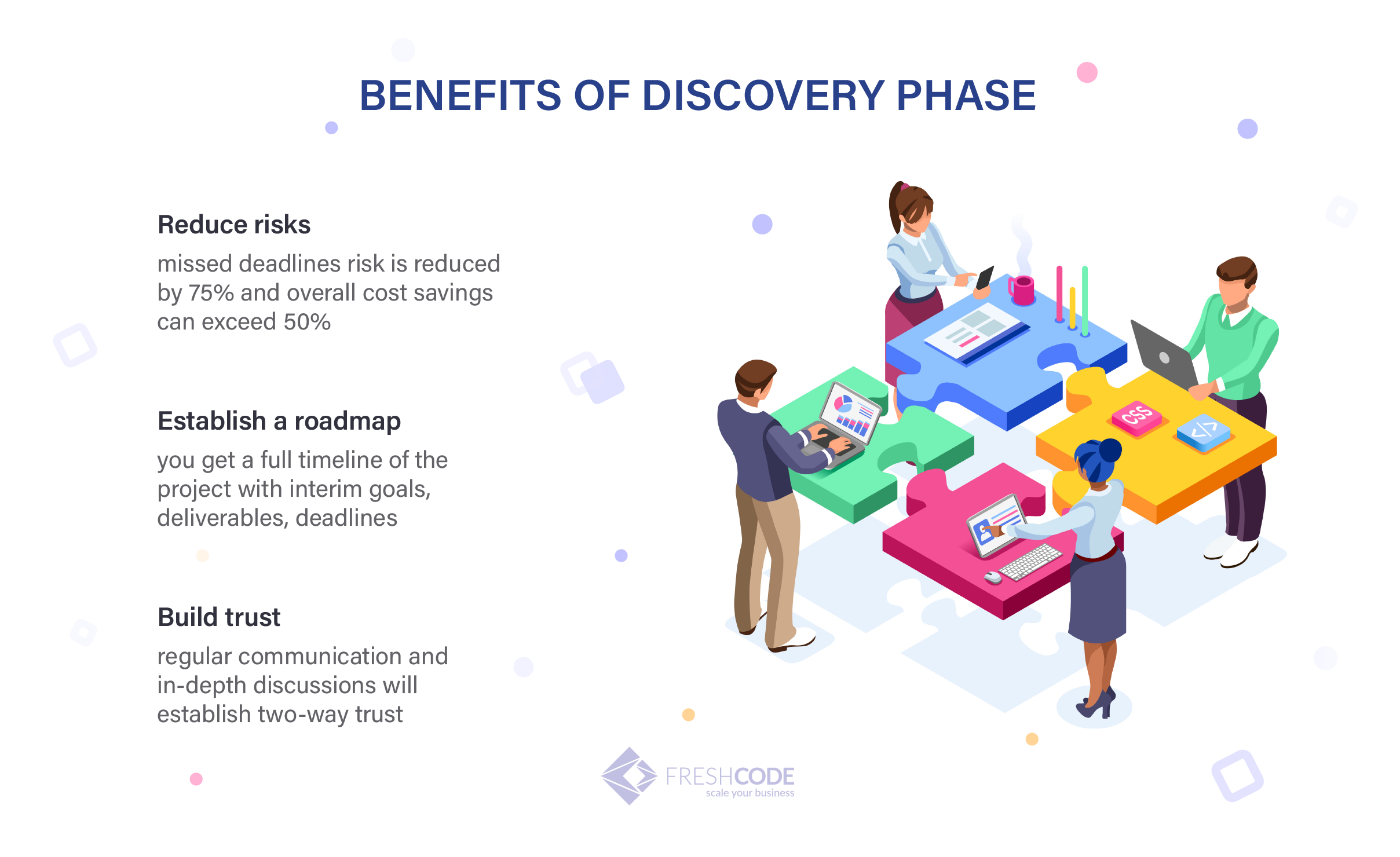
According to McKinsey, 17% of IT projects turn out so bad, they cause the collapse of the company.
Careful analysis and planning could prevent many failures.
Read more on FreshCode blog