Bioengineered Artificial Skin
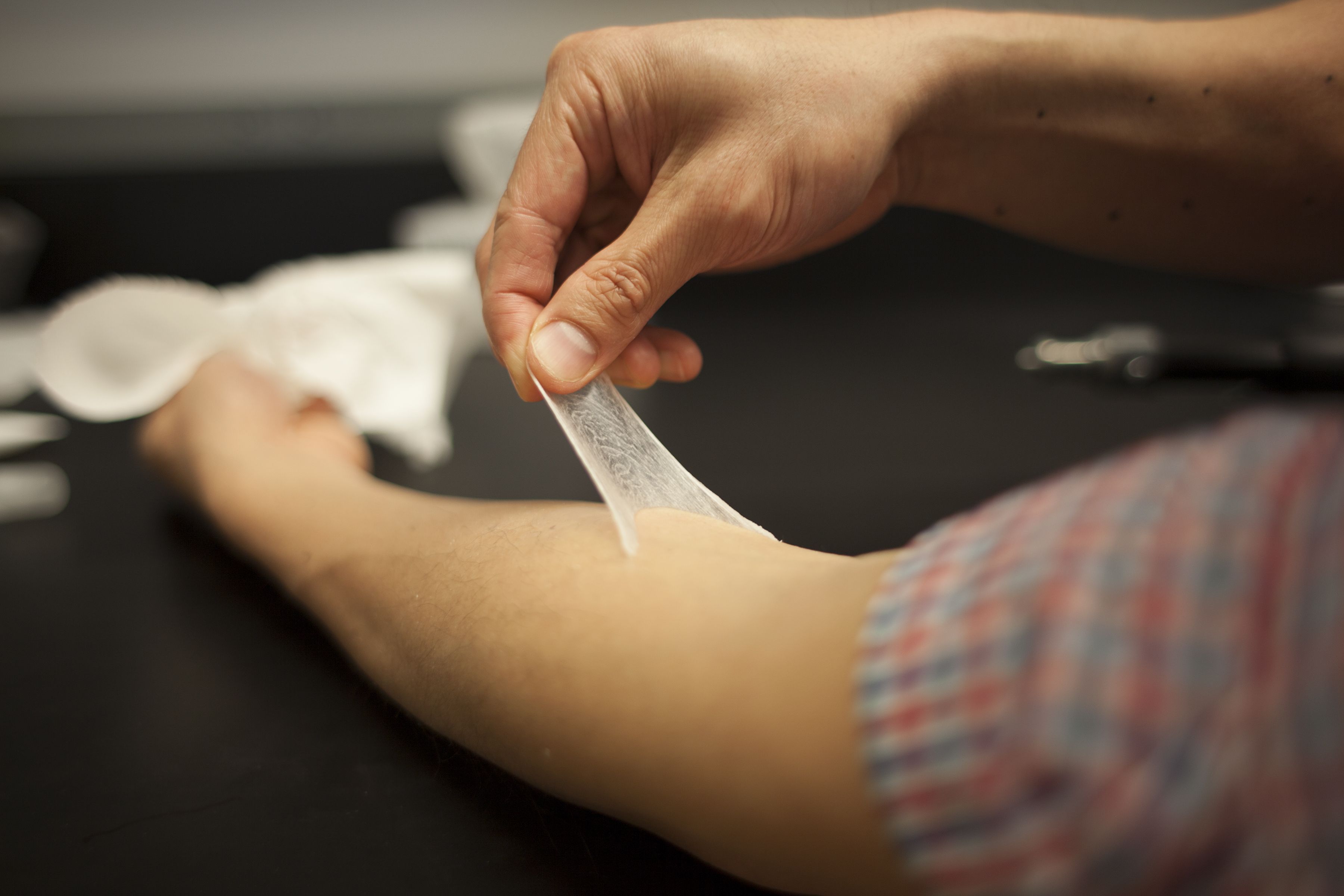
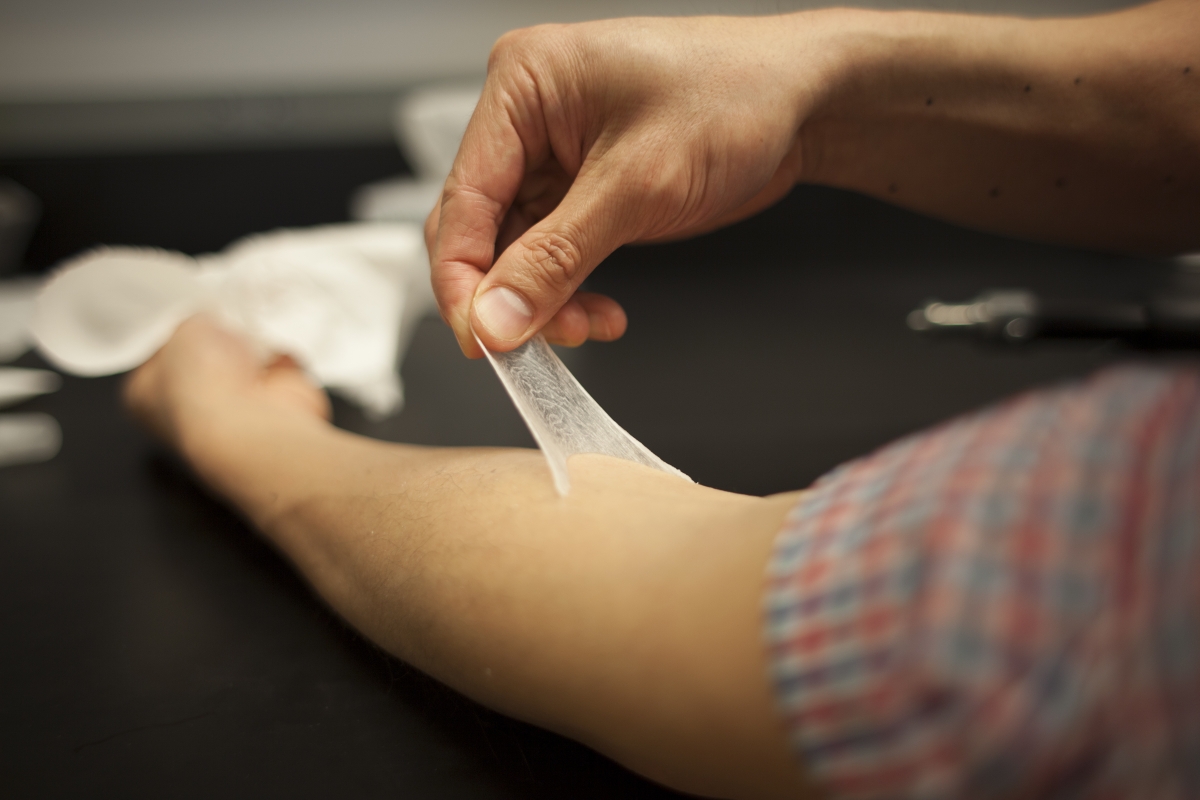
Artificial skin aims to temporarily or permanently replace or repair damaged skin. It is tissue engineered to closely resemble native skin structure and function. Various research groups are developing bioengineered skin substitutes using cells, biomaterials and growth factors to accelerate wound healing. Challenges in Developing Bioengineered Artificial Skin
Developing functional Bioengineered Artificial Skin poses significant challenges. Skin is a complex organ composed of multiple cell types arranged in distinct layers. It acts as a barrier against water loss, microbes and provides sensation. Recreating skin's form and function requires deep understanding of skin biology and tissue engineering principles. Some key challenges include developing biomaterials that mimic extracellular matrix, incorporating multiple cell types in precise spatial arrangement, promoting neovascularization and reinnervation. Controlling immune response and preventing infection at the wound site are also important considerations. Current Approaches and Biomaterials Used
Most artificial skin substitutes are either cellular or acellular. Cellular grafts contain living cells grown on porous scaffolds while acellular grafts contain just biomaterials. Commonly used scaffold biomaterials include collagen, fibrin, chitosan and hyaluronic acid due to their biocompatibility and structural similarity to extracellular matrix. Some grafts incorporate keratinocytes and fibroblasts grown on scaffolds. Others focus on rapid wound closure using acellular biomaterials alone. Growth factors like KGF, EGF, VEGF are incorporated to stimulate cellular processes. newer technologies explore use of synthetic biodegradable polymers and 3D bioprinting for skin regeneration. Clinical Applications and Efficacy
Available bioengineered skin substitutes have demonstrated effectiveness in treating burns, chronic wounds, skin loss from trauma or infection. Products like Apligraf, Dermagraft and Orcel containing keratinocytes and fibroblasts have been used to close surgical wounds and treat leg ulcers. Temporary skin substitutes accelerate re-epithelialization while permanent substitutes get remodeled into more natural skin tissue. However, they often lack features like hair follicles, glands and full sensitivity. Large full thickness skin regeneration over prolonged periods remains a challenge. Combining cells, biomaterials and growth factors holds promise for developing more functional skin replacements. Tissue Engineering Approaches for Skin Regeneration
Research aims to fully bioengineer skin with structure and function matching native skin. Tissue engineering approaches incorporate key elements required. Biomimetic scaffolds provide a 3D microenvironment to organize skin cells. Technologies like bioprinting precisely arrange multiple cell types in anatomical layers on scaffolds. Pre-vascularization of grafts using endothelial cells leads to rapid integration. Approaches explore seeding keratinocytes, fibroblasts, endothelial cells, neural cells and stem cells. Incorporating hair follicles, sebaceous and sweat glands creates a highly organized skin mimic. Chemically signaling interactions between components mimics native skin development. Advances in materials, fabrication techniques and cell-material interactions bring us closer to developing fully bioengineered skin. Use of Stem Cells and Regenerative Medicine
Stem cell therapy holds promise for treating chronic wounds and generating skin substitutes. Mesenchymal stem cells secrete factors stimulating multiple repair processes. Studies demonstrate enhanced wound healing when applied to wounds. Embryonic and induced pluripotent stem cells can generate unlimited skin cells. Directed differentiation protocols produce keratinocytes, fibroblasts and endothelial cells from stem cells. These skin cells can be used to bioengineer skin grafts. Skin regeneration may also involve reprogramming of fibroblasts into stem cells at the wound site. Advances in controlling stem cell fate may enable de novo skin regeneration avoiding the need for grafting. Combining stem cells with tissue engineering approaches could revolutionize treatment of burns and large skin defects. New Frontiers in Bioengineered Skin Research
Scientists aim to further humanize artificial skin by incorporating skin appendages, sensory innervation and advanced vascular networks. Tissue organoid and organ-on-a-chip models advance our understanding of 3D skin biology. Novel biomaterials explore mimicking elasticity, extensibility and self-healing properties of skin beyond traditional scaffolds. Technologies like bioprinting combined with microfluidics facilitate precise 3D assembly of skin components in physiologically relevant architectures. Advances in material biofunctionality, stem cell science, gene therapy and systems biology will take bioengineered skin closer to native skin overcoming current limitations. Further research holds promise to broadly impact wound care, reconstructive surgery, soft robotics and pharmaceutical testing.
Bioengineered artificial skin has revolutionized treatment of burns and non-healing wounds. Advances integrating insights from materials science, stem cell biology and tissue engineering are developing skin substitutes with enhanced structure and function. Combinatorial approaches incorporating multiple skin cell types, mimicking native ECM, vascular networks and sensory innervation within 3D printed or injected biomaterial scaffolds hold promise. With continuing advances, temporary skin substitutes may transition into permanent skin regeneration over large wounds eliminating the need for skin grafting. The dream of developing a living artificial skin functionally equivalent to native skin seems achievable in the future through multidisciplinary research efforts.
Explore More Related Article On – Bioengineered Artificial Skin
Discover the language that resonates with you:
About Author:
Vaagisha brings over three years of expertise as a content editor in the market research domain. Originally a creative writer, she discovered her passion for editing, combining her flair for writing with a meticulous eye for detail. Her ability to craft and refine compelling content makes her an invaluable asset in delivering polished and engaging write-ups.
(LinkedIn: https://www.linkedin.com/in/vaagisha-singh-8080b91)