The Rise of Digital Artwork
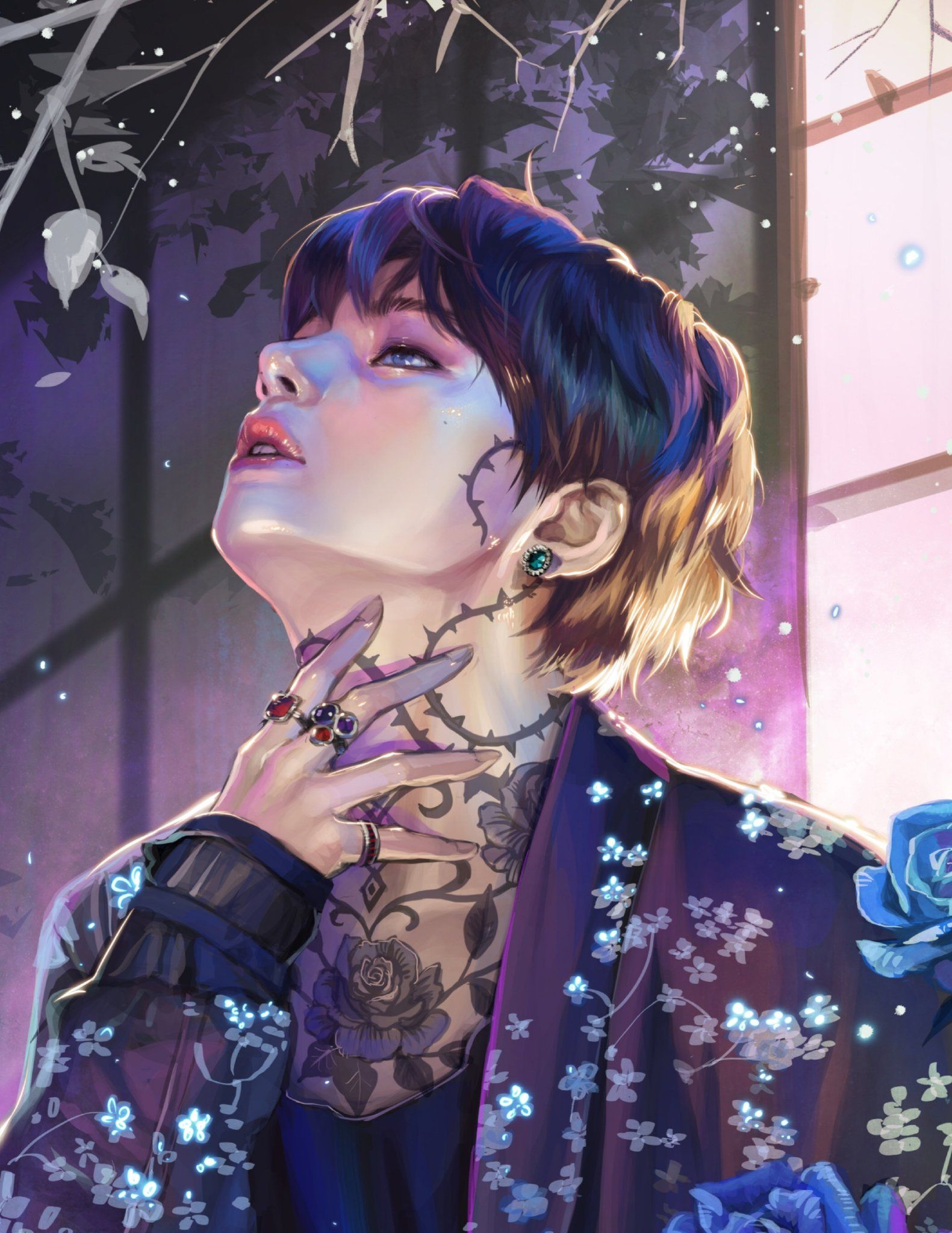
Over the past few decades, digital art has grown from a niche genre to one of the most popular forms of artistic expression. What began as experimental computer-generated imagery in the late 20th century has now blossomed into a vibrant artistic community that pushes the boundaries of technology and creativity. The early pioneers who experimented with computer graphics in the 1970s and 80s paved the way for Digital Artwork to emerge. Creative technologists like Myron Krueger began developing software that allowed users to interact with virtual environments in real-time. Artists like Lillian Schwartz also utilized computers to generate visual patterns and textures through programming. However, digital art still remained a fringe category with limited tools. Advances in Software Expand Digital Possibilities
The true revolution began in the 1990s as major advances were made in desktop publishing, 3D modeling, digital photography, and web/multimedia design software. Programs like Adobe Photoshop, Illustrator, and Painter first hit the market, giving artists intuitive tools for digital image editing, drawing, and painting. 3D programs like AutoCAD and Lightwave also launched, allowing the modeling and rendering of virtual 3D sculptures and environments. With these new creative software packages, digital art became accessible to mainstream visual artists. Tools that were once only available in research labs could now be operated on personal computers. This opened the floodgates for experimentation and marked digital art’s entrance into the fine art scene. New Genres Emerge in the Digital Age
As digital creativity tools matured in the late 90s and 2000s, entirely new genres of digital art began to form. Digital painting, modeling, animation, pixel art, virtual environments, interactive art, drone art, and algorithmic art all sprouted as ways to utilize technology for visual expression. Artists delved into realms that had not been possible with traditional mediums alone. They could now effortlessly edit, layer, simulate lighting, and generate endlessly versatile patterns digitally. This enabled totally novel approaches to composition, texture, and world-building. Digital tools also merged visual art with other creative fields like music, code, and web design. Interdisciplinary digital creations pushed the boundaries of what constituted an “artwork” in the 21st century. Rise of Digital Distribution and Galleries
Another major catalyst was the rise of the internet as an artistic medium and distribution channel. Now artists had a global platform to showcase, share, and sell their digital creations. Websites like DeviantArt, Tumblr, and Behance brought digital communities together while YouTube and Vimeo became virtual galleries. Later, platforms like ArtStation focused specifically on 3D, VR, and digital illustration. E-commerce stores also entered the scene, allowing fine digital artworks to be purchased online as limited edition prints, posters, or NFTs. No longer confined to physical exhibitions, digital art gained worldwide reach and markets through online sharing and transactions. Today, leading global art fairs even host “digital galleries” showcasing the latest computer-generated visual works. Impact on Fine Art Institutions and Practices
Higher education fine art programs responded by establishing digital art and design departments. Majors in Graphic Design, Animation, and New Media Art became standard offerings. Art training shifted to teaching software skills and programming knowledge alongside traditional techniques. Students learned 3D modeling, 3D printing, code, game design, VR/AR, web development, and video art production. Leading art museums also started collecting, researching, and exhibiting digital creations alongside paintings, sculptures and photographs. Institutions that were once devoted only to physical artworks embraced technology’s impact on art and its growing audiences. Now the Tate Modern, MoMA, Guggenheim and more regard digital art as part of the established canon rather than a niche offshoot. Future Prospects of the Digital Medium
Looking ahead, digital art’s potential seems limitless as technology rapidly evolves. Emerging tools like virtual/augmented reality, artificial intelligence, generative art, sensor art, biomaterials, robotics, coding, and blockchain will inspire whole new digital lineages. Artists are already exploring how to merge virtual worlds, artificial creatures, neural network imagery, animated plant/fungal simulations, interactive participant art and more. The division between digital and traditional may further blur as 3D printing, robotics and biomimicry enable physical works to behave like living systems. Undoubtedly, digital mediums will continue revolutionizing artistic expression and playing a formative role in shaping culture in the decades to come. Technology opens up unchartered artistic vistas that were impossible to foresee, ensuring digital creativity remains on the frontier of the arts. digital art has experienced staggering growth over the past 50 years, transitioning from experimental computer graphics to a dominant creative force that impacts fine art on a global, institutional level. Advances in software, hardware, and online platforms empowered legions of digital artists to invent novel genres, styles and techniques that push artistic boundaries in groundbreaking new directions. From pioneering computer animators to today's algorithmic and VR visionaries, digital creativity continues its boundary-defying evolution, ensuring an expansive future at the cutting edge of both technology and artistic expression.
Explore More Related Article On – Digital Artwork
Discover the language that resonates with you:
About Author:
Vaagisha brings over three years of expertise as a content editor in the market research domain. Originally a creative writer, she discovered her passion for editing, combining her flair for writing with a meticulous eye for detail. Her ability to craft and refine compelling content makes her an invaluable asset in delivering polished and engaging write-ups.
(LinkedIn: https://www.linkedin.com/in/vaagisha-singh-8080b91)