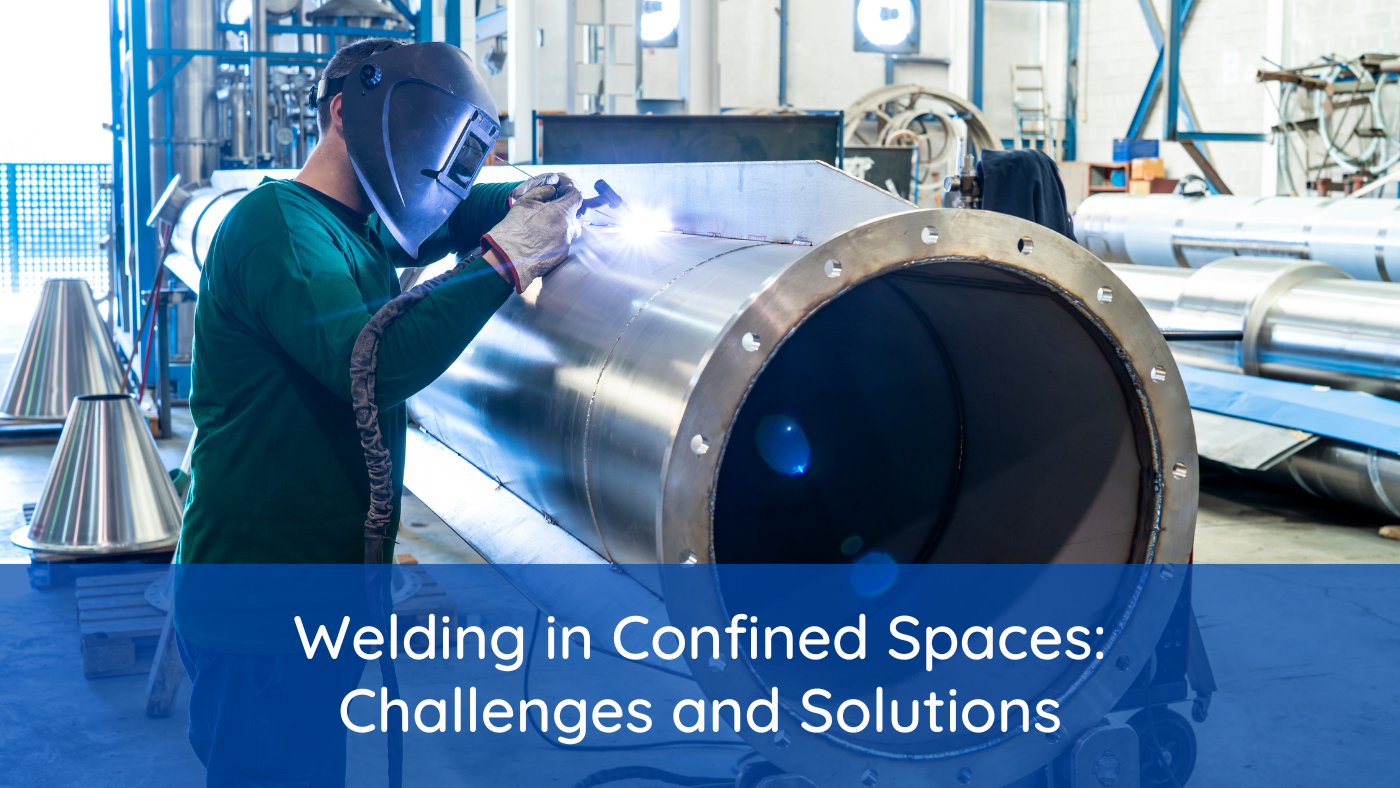
Welding in confined spaces is a critical activity across various industries, such as shipbuilding, oil and gas, construction, and manufacturing. These spaces — characterized by limited access, restricted ventilation, and potential hazards — require meticulous planning and specialized solutions to ensure safety, efficiency, and compliance with regulations. This article explores the challenges associated with welding in confined spaces and the solutions available to address these concerns.
Challenges of Welding in Confined Spaces
Welding in confined spaces presents a unique set of challenges that can impact both safety and productivity. Key issues include:
1. Limited Ventilation
- Welding generates toxic fumes, gases, and particulates, which can quickly accumulate in confined spaces, posing serious health risks to workers.
- Lack of airflow can exacerbate heat stress, making the environment even more challenging.
2. Hazardous Atmosphere
- Confined spaces may have oxygen-deficient or oxygen-enriched atmospheres, increasing the risk of asphyxiation or fire.
- Flammable gases or vapors can accumulate, posing explosion risks when exposed to sparks from welding.
3. Restricted Movement
- Limited space can make it difficult for welders to position themselves correctly, potentially compromising weld quality and safety.
- Movement restrictions may also hinder quick evacuation during emergencies.
4. Fire and Explosion Risks
- Sparks, heat, and molten metal from welding can ignite flammable materials or gases in confined spaces.
5. Limited Visibility
- Poor lighting in confined spaces can reduce visibility, leading to welding defects or accidents.
6. Regulatory Compliance
- Industries must adhere to stringent safety standards, such as OSHA’s confined space entry regulations, which require extensive preparation and monitoring.
Solutions for Welding in Confined Spaces
To address these challenges, various solutions and best practices have been developed, focusing on safety, efficiency, and regulatory compliance.
1. Ventilation and Fume Extraction Systems
Proper ventilation is critical to mitigate the risks of toxic fumes and oxygen depletion.
- Portable Ventilation Units: Compact and portable units can be placed near the welding area to improve airflow.
- Fume Extractors: These devices capture welding fumes directly at the source, ensuring the air remains breathable.
- Powered Air-Purifying Respirators (PAPRs): For environments where ventilation is insufficient, welders can use PAPRs to filter and supply clean air.
2. Atmosphere Monitoring and Control
Monitoring the air quality in confined spaces is crucial to detect hazardous conditions before they become life-threatening.
- Gas Detectors: Devices capable of detecting oxygen levels, combustible gases, and toxic fumes should be used continuously.
- Alarm Systems: Integrated alarm systems can notify workers of dangerous atmospheric changes in real-time.
- Purge and Clean Procedures: Before welding begins, purging the space of hazardous gases and cleaning flammable residues can reduce risks.
3. Safety Equipment for Welders
Welders working in confined spaces should have access to specialized safety equipment designed to protect them in these challenging environments.
- Fire-Resistant Clothing: Proper personal protective equipment (PPE), such as flame-retardant suits, shields welders from heat and sparks.
- Self-Contained Breathing Apparatus (SCBA): In extremely hazardous environments, SCBAs provide an independent air supply.
- Harnesses and Lanyards: In spaces where falls are a risk, these devices ensure safety during movement and emergencies.
4. Training and Preparedness
Workers and supervisors must be adequately trained to perform welding tasks in confined spaces safely.
- Confined Space Entry Training: This includes understanding hazards, emergency protocols, and equipment usage.
- Welding-Specific Training: Welders should be trained in techniques suited to restricted spaces, ensuring high-quality results while maintaining safety.
- Rescue Drills: Teams should conduct regular drills to prepare for potential emergencies, such as fires or oxygen deprivation.
5. Fire Prevention Measures
Given the heightened fire risk in confined spaces, proactive measures are essential.
- Hot Work Permits: Issued after thorough risk assessments, these permits ensure all safety measures are in place before welding begins.
- Fire Watch Personnel: A designated person monitors the welding process, ready to extinguish sparks or fires if necessary.
- Fireproof Barriers: Using barriers or blankets made from fire-resistant materials can protect surrounding areas from sparks and heat.
6. Technological Solutions
Innovations in welding technology have made it easier to perform tasks in confined spaces.
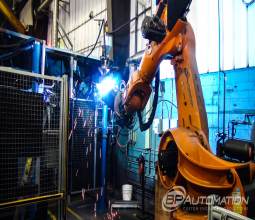
- Robotic Welding Systems: Automated welding robots can operate in tight spaces where human access is limited, improving safety and precision.
- Compact Welding Equipment: Lightweight and portable welding machines allow for easier maneuvering in restricted areas.
- Remote Monitoring Systems: Using cameras and sensors, supervisors can oversee welding operations from outside the confined space.
7. Compliance with Standards and Guidelines
Adhering to industry standards ensures safe operations and reduces liability.
- OSHA Regulations: Follow OSHA standards for confined space entry and welding safety to avoid legal and operational issues.
- Welding Codes: Compliance with standards like AWS (American Welding Society) and ISO ensures the quality and safety of welding procedures.
Benefits of Implementing These Solutions
By adopting these solutions, industries can reap numerous benefits, including:
- Enhanced Worker Safety: Reducing the risks associated with welding in confined spaces protects workers’ health and well-being.
- Improved Productivity: Efficient tools and processes reduce downtime and ensure projects stay on schedule.
- Regulatory Compliance: Meeting safety standards minimizes legal risks and potential fines.
- High-Quality Welds: Proper techniques and equipment ensure the structural integrity of welds, even in challenging conditions.
Conclusion
Welding in confined spaces is inherently risky, but with proper planning, training, and the right tools, these risks can be mitigated. Solutions such as advanced ventilation systems, atmosphere monitoring, specialized safety equipment, and orbital welding technologies ensure that workers are protected and projects meet safety standards. Industries must prioritize safety and compliance to achieve successful outcomes in these challenging environments. By investing in these measures, businesses can safeguard their workforce, enhance efficiency, and maintain their reputation for excellence in operations.