





Understanding Common Roofing Errors
Installing roofing trusses is a critical aspect of any construction project. However, it is not uncommon for mistakes to occur during this process, which can lead to significant issues down the line. Understanding and avoiding these common roofing errors can save time, money, and ensure the structural integrity of the building.
Incorrect Measurement and Alignment
One of the most prevalent mistakes is incorrect measurement and alignment of the trusses. Even a slight misalignment can cause serious problems. It is crucial to measure and align the trusses accurately to ensure they fit perfectly. Using the correct tools and taking the time to double-check measurements can prevent this common error.
Incorrect measurements can lead to gaps and misfits, which can affect the overall stability of the roof. It is essential to use precise measuring tools such as laser levels and measuring tapes to ensure accuracy. Additionally, it is important to account for any variations in the building's structure that may affect the alignment of the trusses. Taking the time to carefully measure and align the trusses can prevent costly mistakes and ensure a secure and stable roof.
Poor Quality Materials
Using substandard materials is another frequent mistake. High-quality materials are essential for the durability and strength of the roof. Investing in good quality trusses and other roofing materials can prevent future issues such as leaks, structural damage, and the need for premature repairs.
Cheap and low-quality materials may save money initially, but they can lead to significant problems in the long run. Poor quality trusses may not be able to withstand the weight of the roof or the elements, leading to structural failure. It is important to choose materials that meet industry standards and have been tested for durability and strength. Investing in high-quality materials can ensure the longevity and reliability of the roof.
Improper Handling and Storage of Trusses
Trusses must be handled and stored correctly before installation. Improper handling can cause damage to the trusses, compromising their strength and integrity. It is important to store trusses in a dry, level area and to handle them with care to avoid any damage.
Trusses are often large and heavy, making them difficult to handle. It is important to use proper lifting equipment and techniques to avoid damaging the trusses during transportation and storage. Trusses should be stored off the ground on a level surface to prevent warping and bending. Additionally, they should be covered to protect them from moisture and other environmental factors that can cause damage.
Ignoring Manufacturer's Guidelines
Each truss comes with specific guidelines and instructions from the manufacturer. Ignoring these guidelines can lead to improper installation and potential structural issues. Always follow the manufacturer's instructions carefully to ensure the trusses are installed correctly and safely.
Manufacturer's guidelines provide important information on the correct installation and handling of trusses. These guidelines are based on extensive testing and research and are designed to ensure the safety and stability of the roof. Ignoring these guidelines can result in improper installation, leading to structural problems and potential safety hazards. It is important to read and follow the manufacturer's instructions carefully to ensure a successful installation.
Inadequate Support and Bracing
Trusses require adequate support and bracing during installation. Failing to provide sufficient support can lead to structural instability and potential collapse. Ensure that all trusses are properly braced and supported throughout the installation process to maintain the integrity of the roof.
Proper bracing is essential to prevent trusses from shifting or collapsing during installation. Temporary bracing should be used to hold the trusses in place until they are permanently secured. It is important to follow the manufacturer's recommendations for bracing and support to ensure the stability of the trusses. Inadequate support can lead to serious structural problems and safety hazards.
Roofing Truss Tips for a Successful Installation
Installing roofing trusses correctly is crucial for the overall success of the construction project. Here are some tips to ensure a smooth and successful installation:
Plan and Prepare Thoroughly
Thorough planning and preparation are essential for a successful truss installation. This includes reviewing the building plans, understanding the layout of the trusses, and ensuring all necessary materials and tools are available before starting the installation process.
Planning and preparation are key to avoiding mistakes and ensuring a smooth installation process. This includes reviewing the building plans and understanding the layout and placement of the trusses. It is important to have all necessary materials and tools on hand before starting the installation to avoid delays and interruptions. Additionally, it is important to communicate with the construction team and ensure everyone is on the same page regarding the installation process.
Work with a Professional Team
Installing roofing trusses is a complex task that requires expertise and experience. Working with a professional team can ensure the trusses are installed correctly and safely. Professional installers have the knowledge and skills to handle any challenges that may arise during the installation process.
Hiring a professional team with experience in truss installation can provide peace of mind and ensure a successful outcome. Professional installers have the expertise to handle any challenges that may arise and can ensure the trusses are installed correctly and safely. Additionally, they can provide valuable advice and guidance throughout the installation process.
Use Proper Safety Equipment
Safety should always be a top priority during any construction project. Using proper safety equipment, such as helmets, harnesses, and safety goggles, can prevent accidents and injuries. Ensure that all team members are equipped with the necessary safety gear before starting the installation.
Construction sites can be dangerous, and it is important to take safety precautions to prevent accidents and injuries. This includes using proper safety equipment such as helmets, harnesses, and safety goggles. Additionally, it is important to follow safety protocols and guidelines to ensure the safety of the construction team. Safety should always be a top priority during the installation process.
Regularly Inspect the Trusses
Regular inspections of the trusses during and after installation can help identify any potential issues early on. This allows for timely repairs and adjustments, ensuring the trusses are properly installed and the roof is structurally sound.
Regular inspections are essential to ensure the trusses are installed correctly and to identify any potential issues early on. This includes inspecting the trusses for any damage or defects before installation and conducting regular inspections during and after the installation process. Timely repairs and adjustments can prevent problems and ensure the stability and integrity of the roof.
Truss Installation Mistakes to Avoid
Avoiding common truss installation mistakes is key to a successful roofing project. Here are some specific mistakes to watch out for:
Overloading the Trusses
Trusses are designed to support a specific load. Overloading the trusses can cause them to fail, leading to structural damage and potential collapse. Ensure that the load on the trusses does not exceed their capacity to maintain the integrity of the roof.
Overloading the trusses can lead to serious structural problems and potential collapse. It is important to calculate the load capacity of the trusses and ensure it is not exceeded. This includes accounting for the weight of the roofing materials, as well as any additional loads such as snow or wind. Proper load calculations can prevent overloading and ensure the stability of the roof.
Incorrect Fastening
Using the wrong type of fasteners or not fastening the trusses correctly can compromise their stability. It is important to use the correct fasteners and follow the manufacturer's guidelines for fastening the trusses securely.
Fastening the trusses correctly is essential to ensure their stability and prevent shifting or collapse. This includes using the correct type of fasteners and following the manufacturer's guidelines for fastening. Incorrect fastening can lead to structural problems and safety hazards. It is important to use high-quality fasteners and ensure they are securely fastened to maintain the integrity of the trusses.
Skipping the Truss Inspection
Skipping the inspection of trusses before installation is a common mistake. Inspecting the trusses for any damage or defects before installation can prevent issues down the line. Ensure that all trusses are in good condition before proceeding with the installation.
Inspecting the trusses before installation is essential to identify any damage or defects that may affect their performance. This includes checking for cracks, warping, or other signs of damage. Skipping this inspection can lead to problems during installation and affect the stability of the roof. It is important to thoroughly inspect the trusses before installation to ensure they are in good condition.
Failing to Follow Building Codes
Building codes and regulations are in place to ensure the safety and structural integrity of buildings. Failing to follow these codes can result in unsafe installations and potential legal issues. Always adhere to local building codes and regulations during the truss installation process.
Building codes and regulations provide important guidelines for the safe and proper installation of trusses. Failing to follow these codes can result in unsafe installations and potential legal issues. It is important to familiarize yourself with local building codes and regulations and ensure they are followed during the installation process. Adhering to these codes can ensure the safety and stability of the roof.
Conclusion
Installing roofing trusses is a critical part of any construction project, and avoiding common mistakes is essential for a successful outcome. By understanding and avoiding these common errors, following tips for a successful installation, and being aware of specific mistakes to avoid, you can ensure the trusses are installed correctly and the roof is structurally sound. Proper planning, using high-quality materials, working with a professional team, and adhering to safety guidelines and building codes are key factors in achieving a successful roofing truss installation.
In summary, the key to a successful roofing truss installation lies in careful planning, attention to detail, and adherence to best practices. By avoiding common mistakes such as incorrect measurements, poor quality materials, improper handling, and ignoring manufacturer's guidelines, you can ensure a smooth and successful installation. Additionally, working with a professional team, using proper safety equipment, and conducting regular inspections can further enhance the quality and safety of the installation. By following these tips and guidelines, you can achieve a durable and reliable roofing system that will stand the test of time.




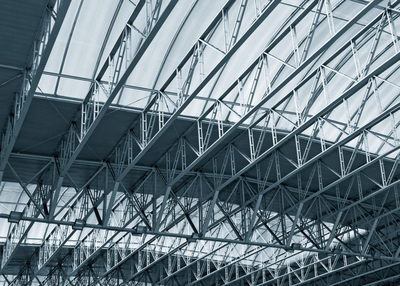
Roof truss drawings are going to contain a significant amount of information.
They are useful to contractors, roofers, as well as the owners of the building, whether it is residential or commercial.
Having accurate drawings will help to identify shapes, materials, and various structural components.
There are various shapes available when it comes to the truss of a roof.
This is going to have a significant impact on the stability of the roof and therefore the entire structure.
Some of the most common designs include:

Together with festival season upon individuals, the chosen fields are likely to see miles of truss erected in specific structures.
Mainly used to the music stages and units, truss and rigging create the framework for whatsoever accessories the acts need during their slot.
Starting from Audio Visual and Light to special effects or having dancers suspended in the air, thanks to truss along with rigging, the options pertaining to festivals are endless.Inside the truss and rigging with regard to festivals industry, there are an array of truss types that you can use to suit the different size and shapes of the structures.
Should you have ever been to one of the big music festivals, then you definitely would have seen each of the different lights, speakers and special effects equipment which the truss and rigging must support, which means the truss has to be able to bear a heavy load.When you go to festivals, the typical truss and rigging structures you'd probably tend to see tend to be flat roofs, arc roofs in case you go to Glastonbury, subsequently the Pyramid roofed step.
Flat roofs are by far the most popular shaped framework as they are designed for supporting immense weights and so are perfect for outdoor events.
This means that the ground must be level and strong more than enough to withhold the immense weight that's being built on top of it.