


When you walk into a concert, corporate event, exhibition, or any stage production, what you see on stage — lights, speakers, LED walls — is frequently suspended on a truss system. Without trusses, modern staging as we know it wouldn’t exist. These modular structural frames allow you to safely support heavy lighting, sound, and video gear above a live audience.
In this guide, we’ll cover:
What lighting and stage trusses are
Why they’re essential for events
Key types of trusses (especially box trusses)
Material choices and load considerations
How to plan and design a truss setup
Safety and rigging best practices
Example truss products to consider
1. What Is a Lighting/Stage Truss?
A lighting or stage truss is a structural frame — generally made of aluminum or steel — used in event production to support lighting instruments, audio gear, video panels, and scenic elements.
Trusses are modular, with multiple “sections” that connect together to create large spans, arcs, or grids.
Because of their triangular design (trusses use connected triangles), they distribute weight very efficiently, allowing them to bear significant loads while remaining relatively lightweight.
2. Why Trusses Matter for Event Setups
Trusses are central to professional event setups:
Support for Equipment: Trusses carry lights, speakers, LED walls, projectors, and more.
Flexibility & Modularity: You can assemble truss structures in various shapes — spans, arcs, islands — based on your venue’s requirements
Safety: Engineered trusses follow load-bearing specifications. They use rigging hardware (clamps, couplers) rated for the weights they’ll support.
Transport & Setup Efficiency: Modular trusses can be assembled and disassembled quickly, saving time and money.
Aesthetic & Structural: Trusses frame stages, support scenic designs, and provide a clean grid for lighting.
3. Key Types of Trusses (Including Box Truss)
Different truss shapes serve different purposes.
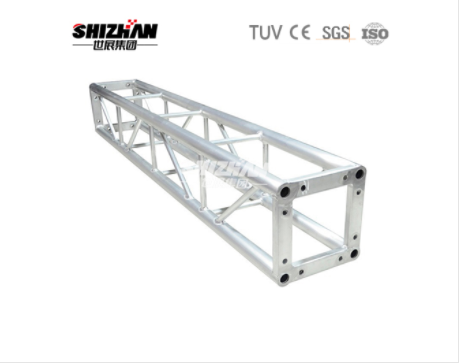
Box Truss (Square Truss)
Also called “square truss”
Four main chords arranged in a square with internal diagonal bracing
Very strong and rigid — can bear heavy loads
Ideal for large, demanding builds such as main concert stages, large video screen support, or flown structures
Triangular Truss
Three chords forming a triangle
Lightweight and cost-effective
Suitable for moderate loads, such as standard lighting equipment or smaller stages
Ladder Truss (Flat Truss)
Two main chords with vertical “rungs” or diagonal members
Very portable and light-duty
Often used for decorative purposes, trade show booths, or as a base for lighter lighting fixtures
Curved or Custom Truss
Curved, circular, or irregular trusses
Used for creative stage designs, center-stage features, or unique installations
Adds visual appeal and can support lights or video over unconventional areas
4. Materials & Load Considerations
Materials:
Aluminum: Most common — lightweight, strong, and easy to transport
Steel: Used for very heavy loads or permanent installations
Load Considerations:
Each truss section has a published load rating (how much weight it can safely support)
Consider point load (weight hanging from a single spot) vs distributed load (weight spread across the truss)
Always use the correct rigging hardware (clamps, couplers) rated for the truss load
For outdoor or tall truss structures, account for wind load
Span & Length:
Truss sections come in standard lengths (0.5 m to 4 m), allowing structures of varying size
Longer spans increase stress — always consult the manufacturer’s load tables
5. Designing a Truss Setup for Your Event
Step 1: Define Your Requirements
What gear will you hang (lights, speakers, LED screens)?
Weight of each item?
How high or wide should the truss be?
Flown (suspended) or ground-supported?
Step 2: Select the Type of Truss
Heavy gear → box truss
Light setups → triangular or ladder truss
Creative designs → curved or custom truss
Step 3: Calculate Load & Safety
Use published load tables for your truss model
Factor in dynamic load (movement, wind)
Plan rigging hardware (clamps, couplers, safety lines)
Step 4: Plan the Structure
Design spans, cross members, arcs as required
For flown structures, determine hoisting method (motor or chain hoists)
For ground structures, ensure stable bases (sandbags, G-blocks)
Step 5: Coordinate with Other Departments
Work with lighting, audio, and stage crews to ensure rigging points match
Account for power, cabling, and accessibility
Step 6: Safety Checks & Inspection
Check all truss factors before use
Use rated rigging hardware
Conduct load tests for flown structures
Employ certified riggers for large or complex installations
6. Safety & Best Practices
Always use trusses with load ratings and manufacturer certification
Use rigging hardware rated for the intended load
Include safety lines as a backup for flown trusses
For outdoor setups, consider weather factors such as wind and rain
Engage trained riggers for installation
Avoid overstretching truss spans beyond safe limits
7. Example Truss Products to Consider
Global Truss F34 Square Truss — Heavy-duty box truss, ₹54,000
Gator Aluminum Lighting Truss System — Complete modular system, ₹75,830
Durable Aluminum Lighting Truss — Portable light-duty, ₹5,761.62
Aluminum Stage Truss Section — Modular section, ₹5,318.42
Stage Metal Lighting Truss — Basic, budget-friendly, ₹170
Professional Stage Lighting Trusses — Large event, heavy-duty
Highlights:
Global Truss F34 — Common box truss for heavy-duty applications
Gator Aluminum System — Lightweight, modular, ideal for mobile events
Durable Aluminum Truss — Reliable option for custom structures
Professional Trusses — Designed for large-scale productions and heavy lighting or video
8. Real-World Use Cases
Concerts & Festivals: Box truss flown above the stage to support moving heads, LED walls, and speakers
Trade Shows & Exhibitions: Ladder or box truss creates booths, hanging banners, and overhead grids
Corporate Events: Lower triangle or square truss frames stages, supports screens, and spotlights
Theater Productions: Curved or modular trusses support theatrical lighting and scenic elements creatively
9. Why Choosing the Right Truss Matters
Design Integration: Proper truss planning allows lighting, video, and audio teams to work seamlessly
Setup Efficiency: Modular trusses reduce setup and teardown time
Scalability: Expand or reconfigure your stage for different events
Cost Optimization: Lighter trusses save on materials and labor; stronger trusses ensure safety
Audience Experience: Properly rigged trusses place lights optimally, enhancing the performance
10. Summary — The Truss Takeaway
Lighting trusses are the structural backbone of stage production
Different types (box, triangle, ladder, curved) suit different loads and designs
Material, load rating, and rigging system are crucial considerations
Safety is non-negotiable — use proper hardware and trained riggers
Choosing the right truss improves design, flexibility, and safety
Ready-made truss products exist for lightweight mobile setups to heavy-duty concert stages
Conclusion
Whether you’re planning a concert, corporate event, trade show, or theater production, a well-designed truss system is essential for turning your vision into reality. Lighting and stage trusses aren’t just equipment — they’re the invisible backbone that allows lighting designers, audio teams, and visual artists to create the magic on stage.
Understanding truss basics helps you make smarter decisions, keep your crew safe, and deliver visually stunning shows. Use this guide to start planning your truss system and ensure that your setup is secure, functional, and visually impressive.
For More Information Visit


What is Lighting TrussLighting or Stage Concert Truss allows lighting designers the freedom to hang LED or Automated fixtures, often called “movers” where ever they choose.
Lighting Truss can be found in Theater, concert, performance arts, or tradeshows, arenas and stadiums.
Anywhere staging equipment is deployed you are likely to find aluminum lighting truss.“Sticks” or sections of the truss can be connected together to create a structure allowing lighting fixtures, video, audio or other staging equipment to be hung with ease.
Components that make up Lighting Truss.· The Chords· The Truss Ladder· Horizontal Members· Chords· Diagonal Members· Internal Diagonal Members· Vertical Members· Bolt Plate Connection· Forkend, Clevis or Spigot Connection Common SizesLighting truss comes in sectional lengths that may be connected together to create longer spans or different shapes.
Deployment TermsWhen Lighting truss is supported overhead it is referred to as being “flown”.
If the truss structure is standing on the ground or is part of a larger design that is free standing it is most often called “ground supported” or ground support.
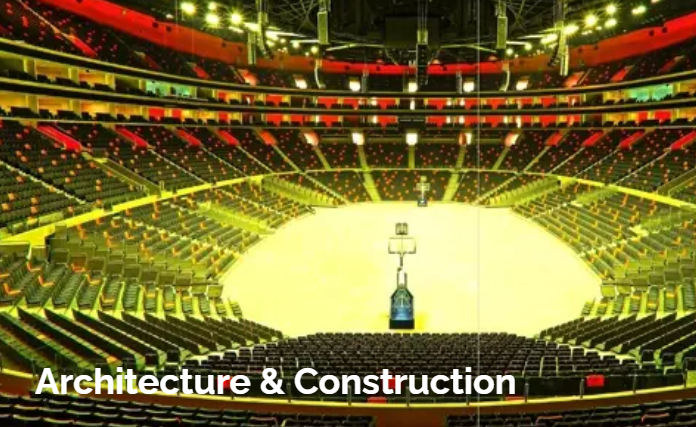
When deciding where your light should come from, it is often limited by where you possibly can hang or sit a person's fixtures.
Theatrical truss is often hung, flown, or supported from your ground.
Truss is a healthier way of being able with supporting equipment in the atmosphere.
Truss ranges in decorations and that is all based on the weight you must support.
Feel free to offer us a call in case you have any questions as to what just might help you achieve your lighting place goals.Lighting or step truss allows lighting makers the freedom to stick LED or Automated fittings, often called “movers” wheresoever they choose.
Lighting Truss is located in Theater, concert, performance martial arts styles, or tradeshows, arenas in addition to stadiums.
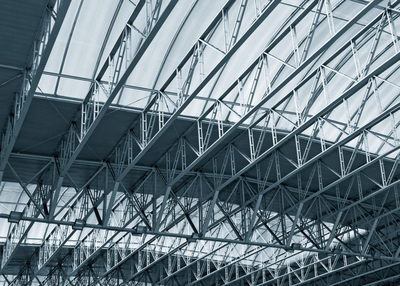
Roof truss drawings are going to contain a significant amount of information.
They are useful to contractors, roofers, as well as the owners of the building, whether it is residential or commercial.
Having accurate drawings will help to identify shapes, materials, and various structural components.
There are various shapes available when it comes to the truss of a roof.
This is going to have a significant impact on the stability of the roof and therefore the entire structure.
Some of the most common designs include: