

In the architecture, engineering, and construction (AEC) industry, accurate site data is the cornerstone of successful projects. For decades, traditional surveying methods have been the standard for gathering such data. However, with the advent of advanced technology, Scan to BIM (Building Information Modeling) services have emerged as a game-changing alternative. But what exactly sets Scan to BIM services apart from traditional surveying? Let’s delve into the differences, benefits, and applications of these two methods.
Understanding Traditional Surveying
Traditional surveying involves the use of tools such as total stations, theodolites, and GPS devices to measure and map physical spaces. Surveyors manually collect data points to create 2D drawings or maps that represent the physical environment. While effective, this method often requires significant time and labor, and the results are limited in scope and detail.
Key Features of Traditional Surveying:
- Manual Data Collection: Measurements are taken point-by-point, requiring precision and time.
- 2D Deliverables: Outputs are usually in the form of 2D drawings, maps, or plans.
- Time-Consuming: Complex projects can take days or weeks to survey.
- Limited Accuracy: The level of detail and accuracy depends heavily on the skill of the surveyor and the equipment used.
- Labor-Intensive: Requires a team of surveyors to cover large or intricate sites.
What Are Scan to BIM Services?
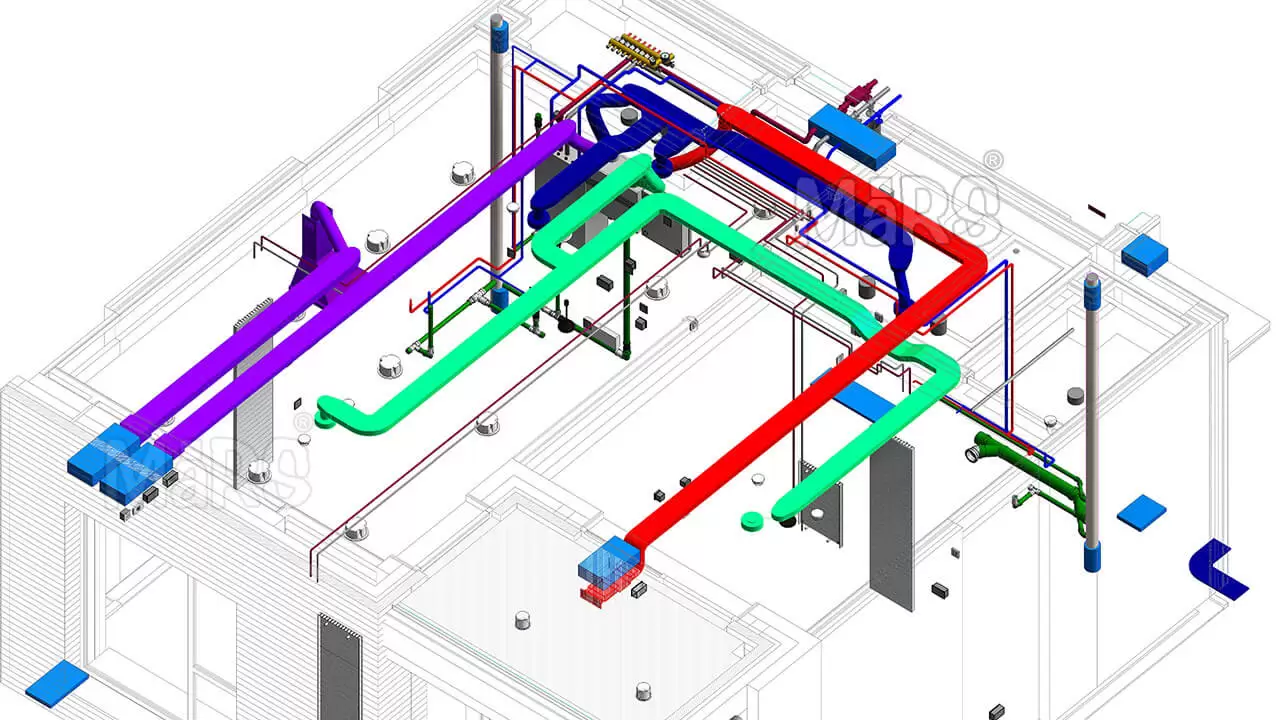
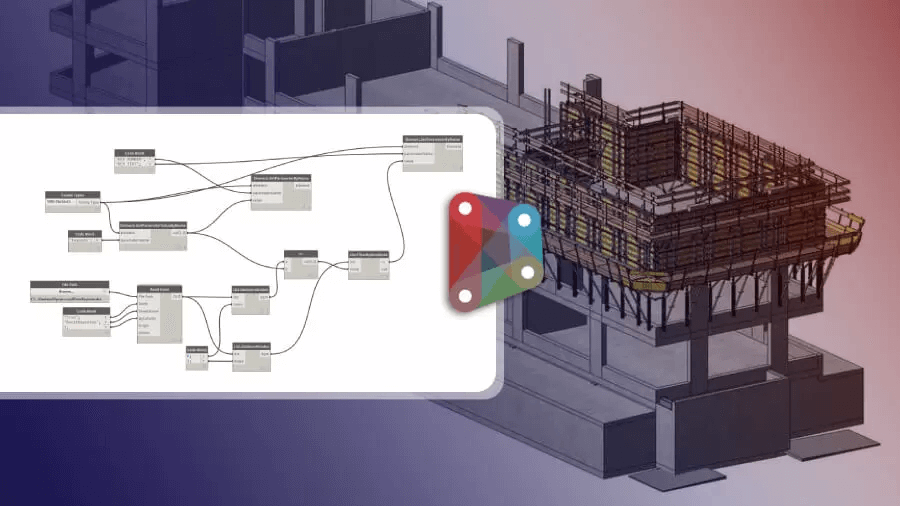
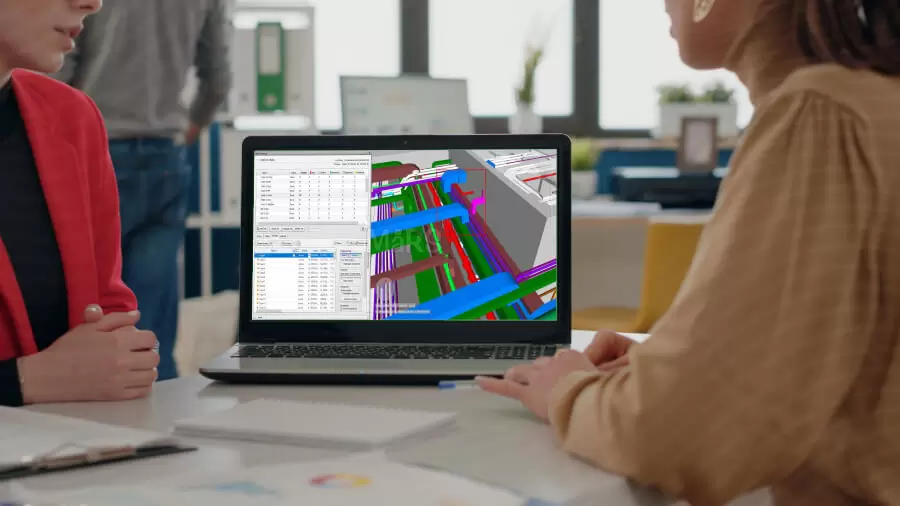
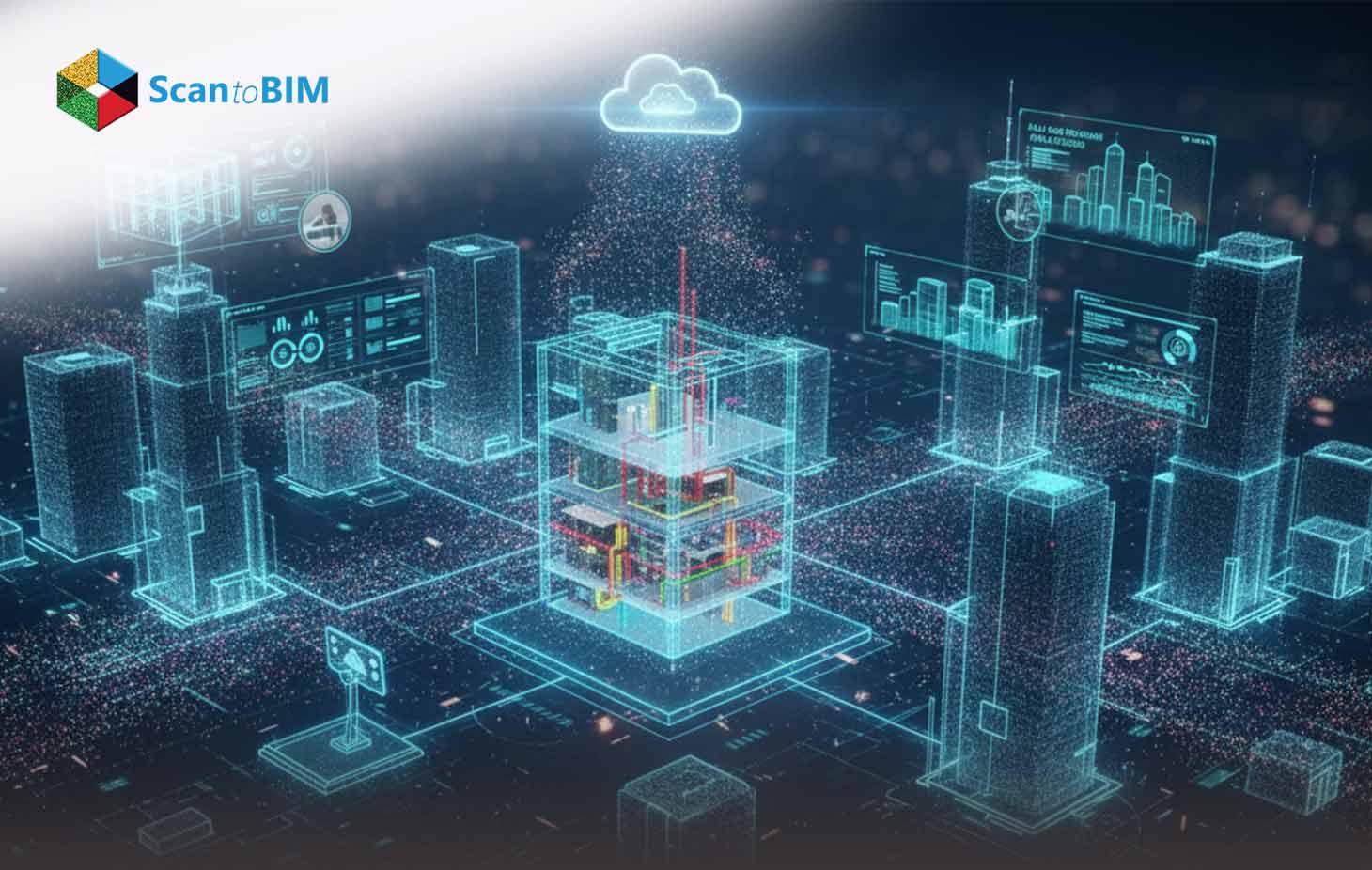
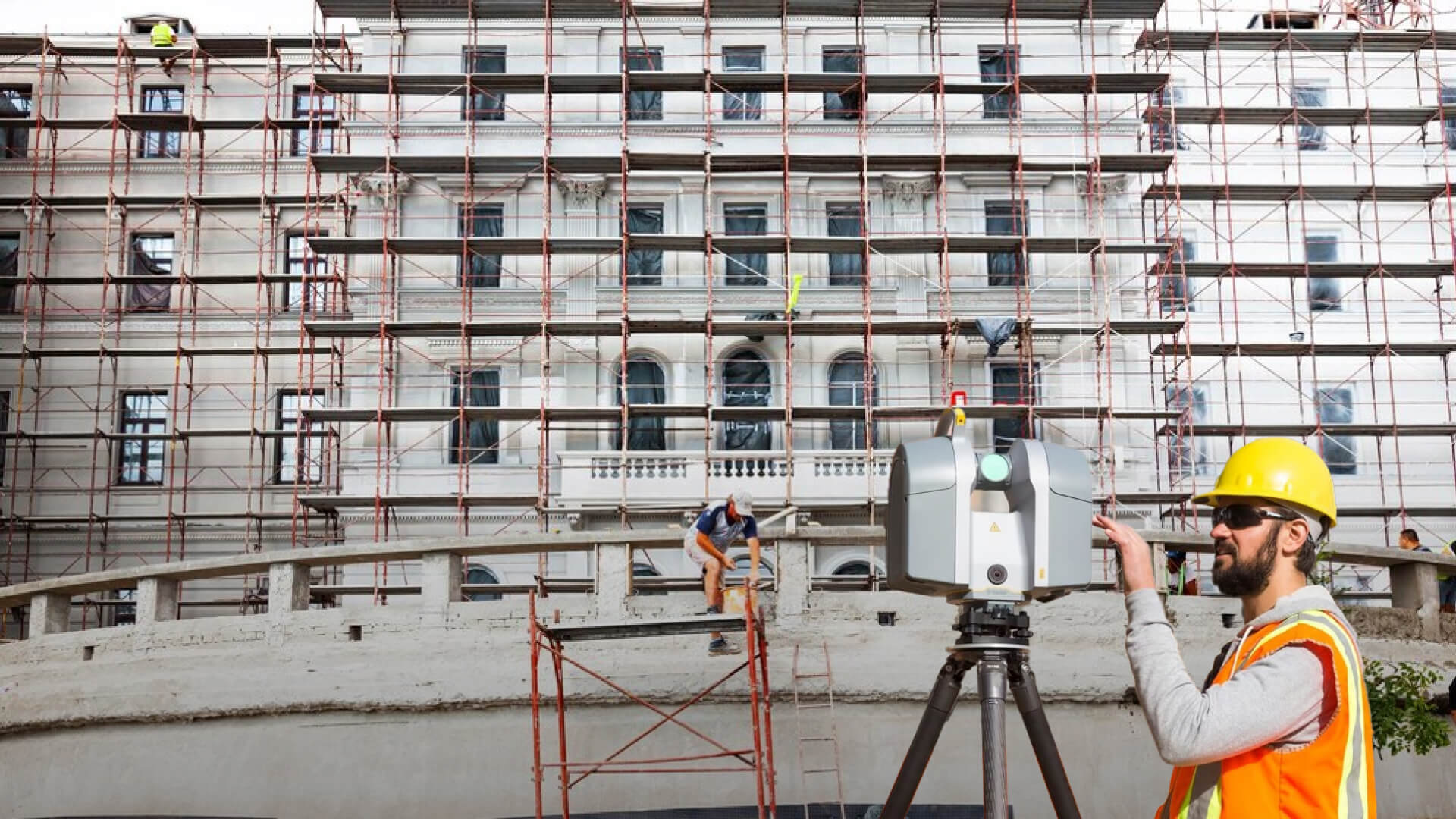
Scan to BIM services utilize laser scanning technology, such as LiDAR (Light Detection and Ranging), to capture precise 3D data of physical spaces. This data is then converted into digital 3D models using BIM software. The result is a highly detailed and accurate representation of the site, complete with dimensions, geometry, and spatial relationships.
Key Features of Scan to BIM Services:
High-Precision Scanning: Laser scanners capture millions of data points per second.
3D Deliverables: Outputs include 3D BIM models that integrate geometry and metadata.
Efficiency: Large spaces can be scanned in hours, significantly reducing project timelines.
Enhanced Accuracy: Provides detailed and accurate data for even the most complex environments.
Versatile Applications: Used for renovations, retrofits, facility management, and clash detection.
Benefits of Scan to BIM Services Over Traditional Surveying
Improved Accuracy: Laser scanning captures even the smallest details, reducing errors and omissions.
Time-Saving: Faster data collection allows for quicker project turnarounds.
Enhanced Collaboration: BIM models enable better collaboration among stakeholders by providing a shared digital representation.
Detailed Analysis: 3D models offer insights that are impossible to achieve with 2D drawings.
Future-Proofing: BIM models can be updated and reused throughout the lifecycle of the building.
When to Use Traditional Surveying vs. Scan to BIM
While Scan to BIM services offer numerous advantages, traditional surveying still has its place. For smaller projects with straightforward requirements, traditional surveying may suffice. However, for complex projects requiring high levels of detail, accuracy, and collaboration, Scan to BIM services are a clear choice.
Conclusion
Both traditional surveying and Scan to BIM services have their strengths and applications. However, as technology continues to advance, the benefits of Scan to BIM—including precision, efficiency, and adaptability—make it an increasingly popular choice in the AEC industry. By understanding the differences and selecting the appropriate method for your project, you can ensure optimal results and streamline your workflow.
Looking to explore the benefits of Scan to BIM services for your next project? Contact us today to learn how we can help transform your construction process!