

Gardening enthusiasts and agricultural experts alike are always on the lookout for ways to enhance soil quality for better plant growth. Among the many soil amendments available, vermiculite stands out as a versatile and effective solution. But what exactly is vermiculite, and how does it transform soil to promote healthier, more robust plants? This article explores the properties, benefits, and practical uses of vermiculite to help you make the most of this remarkable material in your gardening and farming efforts.
What Is Vermiculite?
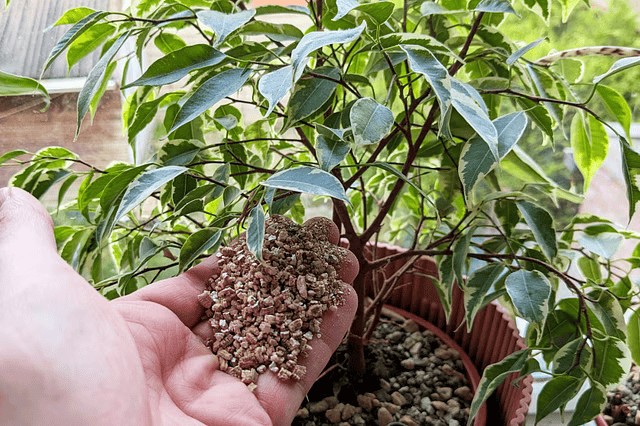
Vermiculite is a naturally occurring mineral that, when heated, expands into lightweight, accordion-shaped particles. This process, known as exfoliation, gives vermiculite its unique properties, making it an excellent additive for improving soil structure and performance. Vermiculite is sterile, non-toxic, and inert, ensuring it’s safe for use with all types of plants.
The Role of Vermiculite in Soil Improvement
Vermiculite’s value in soil improvement lies in its physical and chemical properties. Here’s how it enhances soil quality:
1. Improves Water Retention
Vermiculite acts like a sponge, absorbing and holding water in the soil. This ensures that plants have consistent access to moisture, especially during dry spells. Unlike some soil amendments, vermiculite releases water slowly, providing a steady supply to plant roots and reducing the need for frequent watering.
2. Enhances Aeration
Compacted soil can suffocate plant roots, hindering growth. Vermiculite’s lightweight, porous structure helps loosen heavy soils, creating air pockets that allow roots to breathe and expand. Improved aeration also encourages beneficial microbial activity in the soil, further boosting plant health.
3. Provides Essential Nutrients
Vermiculite contains trace amounts of magnesium, calcium, and potassium—nutrients vital for plant growth. Additionally, it has cation exchange properties, meaning it can retain nutrients from fertilizers and gradually release them to plants over time. This minimizes nutrient loss through leaching and ensures better utilization by plants.
4. Balances Soil pH
Maintaining the right pH level in soil is crucial for nutrient availability. Vermiculite has a neutral to slightly alkaline pH, helping to balance overly acidic soils and create an environment where plants can thrive.
Applications of Vermiculite in Gardening and Agriculture
Vermiculite’s versatility makes it suitable for a wide range of uses in gardening and farming. Here are some practical ways to incorporate it into your soil management practices:
1. Seed Starting Mix
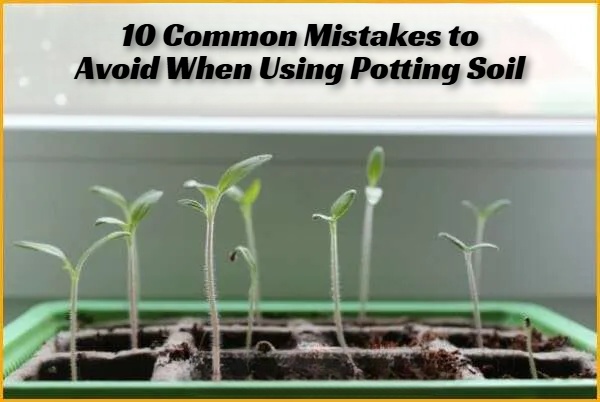
Vermiculite is often used in seed-starting mixes due to its ability to retain moisture and create a well-aerated medium. It provides the perfect environment for germinating seeds, ensuring they receive enough water and oxygen for optimal growth.
2. Soil Amendment
Mixing vermiculite into garden soil improves its overall structure. For sandy soils, vermiculite enhances water retention, while in clay soils, it improves drainage and aeration. A balanced mix ensures that plants receive the right combination of water and air.
3. Container Gardening
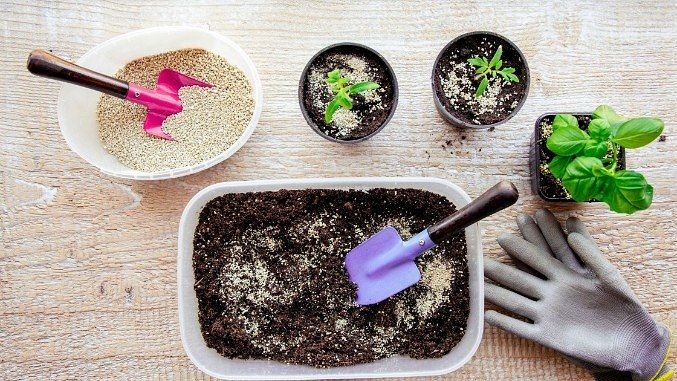
In container gardening, where soil compaction and drainage issues are common, vermiculite can work wonders. Adding it to potting mixes prevents waterlogging and creates a lightweight medium that’s easy for roots to navigate.
4. Hydroponics
Vermiculite is also used in hydroponic systems as a growing medium. Its water retention and nutrient-holding capabilities make it an excellent choice for soilless cultivation, where precise control over moisture and nutrients is essential.
5. Lawn Care and Landscaping
For large-scale applications like lawns and landscaped areas, vermiculite helps improve soil consistency, promotes even grass growth, and reduces water runoff. It’s especially beneficial in areas prone to drought or heavy rainfall.
Tips for Using Vermiculite Effectively
To make the most of vermiculite for gardening or farming activities, follow these tips:
Advantages of Vermiculite Over Alternatives
Compared to other soil amendments like perlite, vermiculite offers distinct advantages. While perlite improves aeration, it doesn’t retain water as effectively as vermiculite. This makes vermiculite the better choice for moisture-loving plants and in regions with low rainfall. Its nutrient-holding properties also give it an edge, making it a more comprehensive solution for soil improvement.
Conclusion
Vermiculite is a powerful tool for enhancing soil quality and supporting healthy plant growth. Its ability to retain moisture, improve aeration, provide nutrients, and balance soil pH makes it an indispensable addition to any gardener’s toolkit. Whether you’re starting seeds, amending soil, or managing a hydroponic system, vermiculite can help you achieve better results with less effort. By understanding how to use this versatile mineral effectively, you can transform your soil into a thriving environment for plants and enjoy the rewards of a more productive garden or farm.