





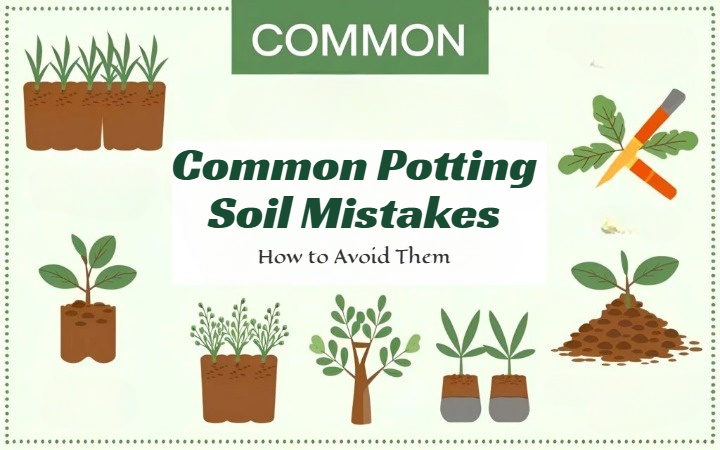
Potting soil is essential for growing healthy plants. If you make mistakes with it, your plants might not grow well and could even die. But don’t worry! By understanding these common mistakes and how to avoid them, you can keep your plants strong and happy.
1. Using Garden Soil Instead of Potting Soil
One of the biggest mistakes people make is using garden Potting Soil in pots instead of potting soil. Garden soil is too heavy and doesn’t drain well. It can become compacted and create problems for the plant roots. Plus, it might carry insects, weed seeds, or diseases that can harm your plants.
How to Avoid It: Always use a good-quality potting mix designed for container plants. Potting soil is light, drains well, and contains the nutrients your plants need to grow strong.
2. Not Providing Proper Drainage
Proper drainage is key to healthy plant growth. If your pot doesn’t allow excess water to escape, it can cause the soil to stay too wet. This can lead to root rot, which can kill your plant.
How to Avoid It: Choose pots that have drainage holes in the bottom so that extra water can escape. If you have a pot you love but it doesn’t have drainage holes, you can place a smaller plastic nursery pot inside it. This will allow water to drain while keeping the plant in the decorative pot.
3. Reusing Old Potting Soil Without Refreshing It
Many people think they can reuse potting soil without changing it. The truth is, old soil can become compacted and lose nutrients over time. It might also carry pests or diseases.
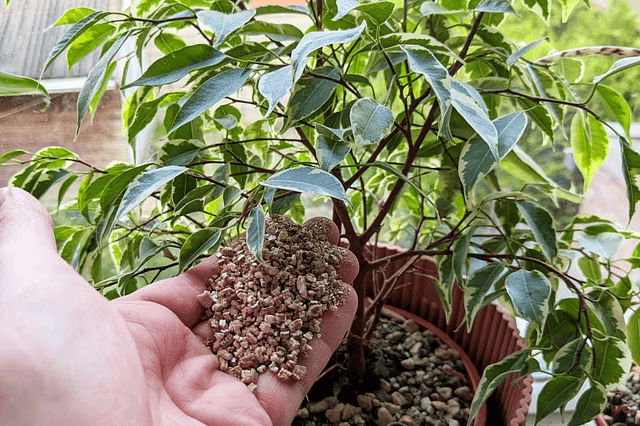
How to Avoid It: Before reusing potting soil, refresh it by mixing in fresh compost, perlite, or new potting mix. If you want to be extra sure that the old soil is pest-free, you can sterilize it by baking it at 180°F (82°C) for about 30 minutes. This will kill any harmful insects or diseases that might be lurking in the soil.
4. Overwatering or Underwatering
Watering plants is tricky. If you water too much, the soil can become soggy, which can lead to root rot. If you don’t water enough, the plant can dry out and stop growing properly. It’s all about balance.
How to Avoid It: Before watering, check the soil by sticking your finger about an inch deep into the soil. If it feels dry, it’s time to water. If it still feels damp, wait a little longer before watering again. Always make sure your pots have drainage holes so that excess water can escape, preventing the soil from becoming too soggy.
5. Ignoring Soil pH Levels
Plants need specific pH levels in the soil to absorb nutrients properly. If the pH is too high (alkaline) or too low (acidic), your plant may struggle to get the nutrients it needs, even if you’re watering and fertilizing it properly.
How to Avoid It: Check your soil’s pH with a simple soil tester. If the pH is too acidic (below 6), you can add some lime to raise it. If the soil is too alkaline (above 7), you can add sulfur to lower the pH. This will help your plants get the nutrients they need to stay healthy.
6. Using the Wrong Type of Potting Soil
Different plants have different soil needs. For example, succulents and orchids require special potting mixes, while other plants, like ferns or leafy greens, need soil that holds moisture.
How to Avoid It: Make sure you use the right type of potting soil for your specific plant. Succulents, cacti, and orchids need well-draining, sandy soil, while ferns prefer soil that retains moisture. Always research your plant’s needs before choosing a potting mix.
7. Adding Too Much Fertilizer
Fertilizer is great for helping plants grow, but too much can cause more harm than good. Over-fertilizing can burn the roots and create an imbalance of nutrients in the soil. This can make your plant unhealthy.
How to Avoid It: Follow the fertilizer instructions on the packaging. Don’t overdo it. A good rule of thumb is to use slow-release fertilizers, which provide a steady supply of nutrients over time. You can also try organic fertilizers, like compost, which are gentler on plants and provide a more balanced nutrient supply.
8. Packing Soil Too Tightly
Some people make the mistake of pressing the soil down too hard when planting. If the soil is packed too tightly, it can block air from reaching the plant’s roots. This can slow down root growth and harm the plant.
How to Avoid It: When filling a pot with soil, gently tap it down instead of pressing it firmly. You want to make sure there’s enough air space between the soil particles so the roots can breathe and grow. The soil should be firm enough to hold the plant, but not too tight.
9. Not Repotting When Needed
Plants need space to grow, and if you keep them in the same pot for too long, their roots can become cramped. This can stunt the plant’s growth and cause it to become root-bound. It’s important to repot your plants when they outgrow their current containers.
How to Avoid It: Check your plant regularly to see if its roots are growing out of the drainage holes or if it seems to be growing slower than usual. If either of these signs is happening, it’s time to move your plant to a larger pot with fresh soil. Make sure the new pot is only a couple of inches bigger than the current one so that the plant isn’t overwhelmed by too much empty space.
10. Forgetting Organic Matter and Beneficial Microorganisms
Soil without enough organic matter can be missing essential nutrients that help plants grow. Organic materials like compost, worm castings, and beneficial fungi improve soil structure, help retain moisture, and promote healthy plant roots.
How to Avoid It: Add organic matter, such as compost, to your potting mix. Compost is full of nutrients that plants love, and it helps improve the texture of the soil. You can also mix in beneficial microorganisms like mycorrhizal fungi to support healthy root systems and nutrient uptake.
Conclusion
Avoiding common Potting Soil Mix mistakes can make a big difference in the health of your plants. Using the right type of soil, ensuring good drainage, watering properly, and refreshing old soil will help your plants thrive. With a little attention and care, your plants will be healthier, stronger, and more beautiful. So, take the time to learn about what your plants need, and watch them grow!

This report empowers perusers to settle on significant choices in regards to their business, with the assistance of an assortment of information encased in the examination.Premium Potting Soil market has been investigated by using the best combination of secondary sources and in-house approach alongside a novel mix of primary insights.
: https://www.industryandresearch.com/report/Global-Premium-Potting-Soil-Market-Size-Share--Trends-Analysis-Report-By-Product-Type-By-Application-By-Region-And-Segment-Forecasts-to-2020---2025/205168#samplereportCompetitive Analysis:Premium Potting Soil Market Main Competitors are : Scotts Miracle-Gro, Sun Gro, Klasmann-Deilmann, ASB Greenworld, FoxFarm, Lambert, Espoma, Michigan Peat, Vermicrop Organics, CreekSide, Baccto, RexiusKey Market Segmentation of Premium Potting Soil:The scope of the report additionally incorporates additional data of market information and its investigation.
This incorporates bits of knowledge seeing key market parts, for example, market fragments, industry esteem chain investigation, piece of the pie outline, key monetary pointers, utilization information figures, request supply circumstances, segmental execution survey and that's just the beginning.
This may help perusers including providers, merchants, purchasers of the business to comprehend presence of the Premium Potting Soil market across various regions.Premium Potting Soil Market Segmented on the basis of Type, Application and Region:Global Premium Potting Soil Market, By Product TypeAll-purpose Potting Soil, Lawn and Garden Soil, Professional Potting SoilGlobal Premium Potting Soil Market, By ApplicationIndoor Gardening, Greenhouse, Lawn & LandscapingAdditionally, the Premium Potting Soil statistical surveying shares granular level data got from inside and out investigation of some compelling parts of the business.
This incorporates development energizing components of the business, different sorts of effects including political, natural, monetary, social and then some, factors ruining anticipated development of the business, piece of the pie extension, undiscovered chances, market size expectations, and so forth This may help perusers to assemble dependable data with respect to Premium Potting Soil market to arrive at more astute decisions.Buy Latest Copy of Report Now!
https://www.industryandresearch.com/report/Global-Premium-Potting-Soil-Market-Size-Share--Trends-Analysis-Report-By-Product-Type-By-Application-By-Region-And-Segment-Forecasts-to-2020---2025/205168#samplereportMoreover, the Premium Potting Soil market report consolidates significant data with respect to key market contenders.