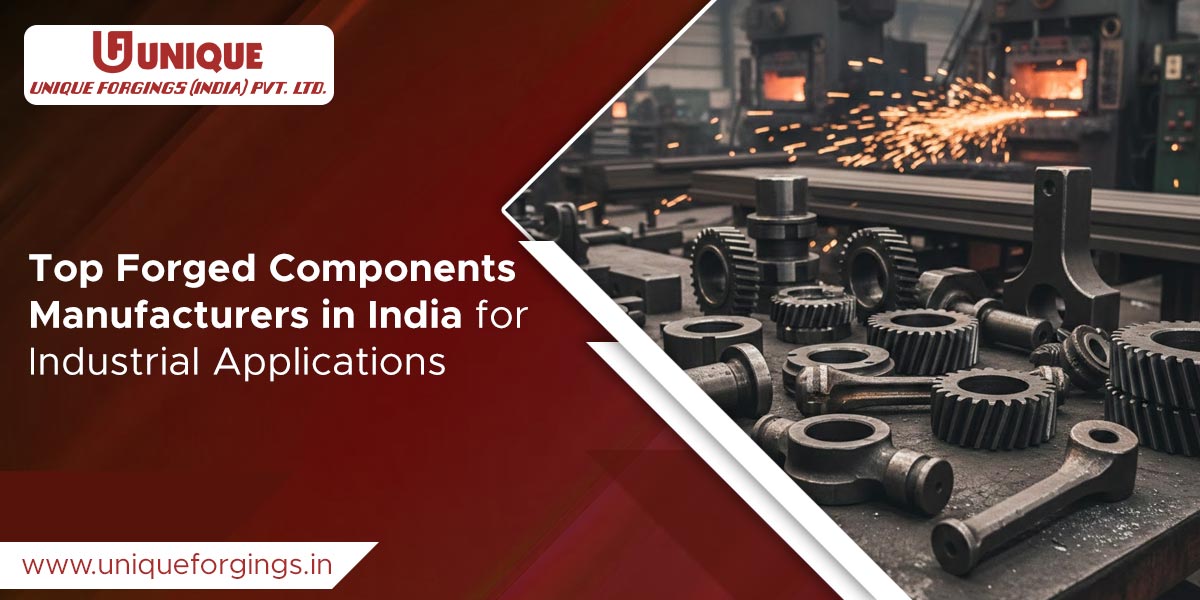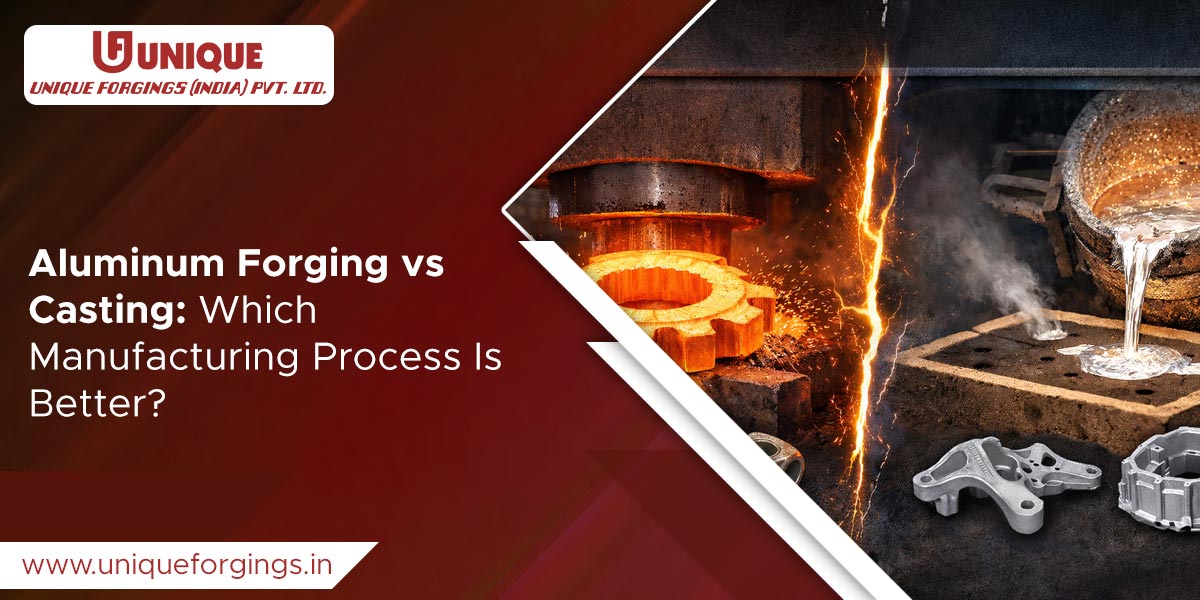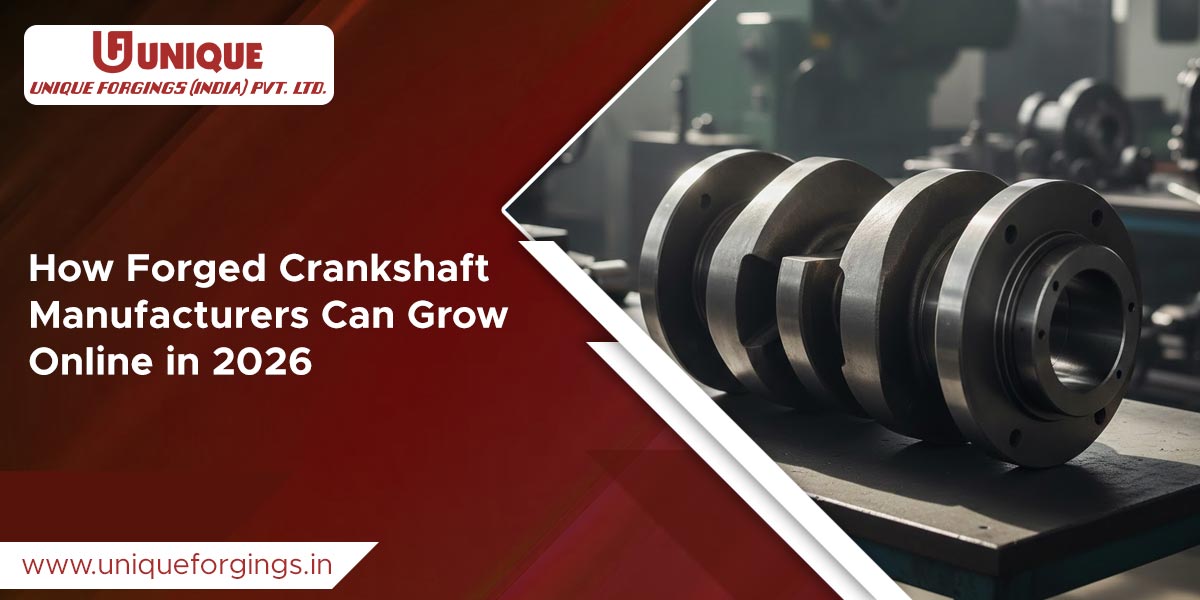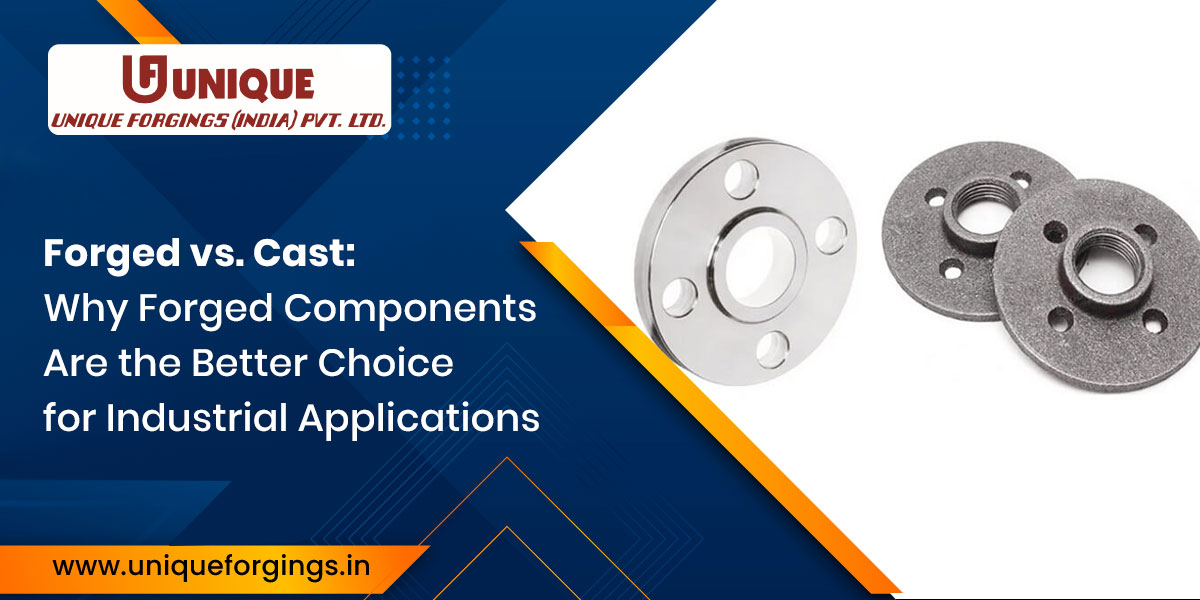
In the world of manufacturing, selecting the right material for forged parts is a critical decision that can significantly impact the performance, durability, and cost-effectiveness of the final product. As a leading forged parts and components manufacturer in India, we understand the importance of making informed material choices to meet the specific needs of various industries. This blog will guide you through the key considerations and material options for forged parts, ensuring optimal results for your applications. Why Material Selection Matters:
Forging is a manufacturing process that involves shaping metal using compressive forces, typically in a heated state. The material chosen for forging must withstand the intense stresses of the process and the operational demands of the final application. Selecting the wrong material can lead to:
● Premature failure of the component
● Increased maintenance costs
● Reduced efficiency and performance
● Higher production costs due to material waste or rework
Factors to Consider When Choosing Materials for Forged Parts:
1. Application Requirements: The first step in material selection is understanding the specific requirements of the application. Consider factors such as:
○ Load-bearing capacity
○ Resistance to wear and corrosion
○ Thermal and electrical conductivity
○ Weight considerations
2. For instance, forged components used in the aerospace industry require lightweight yet high-strength materials, while those in the chemical industry demand excellent corrosion resistance.
3. Mechanical Properties: The material’s mechanical properties, such as tensile strength, hardness, ductility, and impact resistance, play a crucial role in determining its suitability for forging. High-strength materials like alloy steels are ideal for heavy-duty applications, while softer metals like aluminum are better suited for lightweight components.
4. Manufacturing Process: The forging process itself influences material selection. Some materials are easier to forge than others, depending on their ductility and melting points. For example, stainless steel and titanium require precise temperature control and advanced forging techniques.
5. Cost and Availability: While performance is paramount, cost considerations cannot be ignored. Balancing material performance with cost-effectiveness is essential. Additionally, ensure that the chosen material is readily available to avoid delays in production.
6. Environmental Factors: Environmental conditions, such as exposure to extreme temperatures, moisture, or chemicals, can affect the longevity and performance of forged parts. Materials with high corrosion resistance, like stainless steel or nickel alloys, are suitable for harsh environments.
Common Materials for Forged Parts:
1. Carbon Steel:
Carbon steel is one of the most commonly used materials for forged parts due to its affordability and versatility. It offers good strength and hardness, making it suitable for a wide range of applications, including automotive, construction, and industrial machinery.
2. Alloy Steel:
Alloy steels are enhanced with elements like chromium, nickel, and molybdenum to improve their mechanical properties. These materials are ideal for high-performance applications, such as gears, shafts, and heavy-duty machinery components.
3. Stainless Steel:
Stainless steel is known for its excellent corrosion resistance and strength. It is widely used in industries like food processing, chemical, and marine, where exposure to corrosive environments is a concern.
4. Aluminum:
Aluminum is lightweight, corrosion-resistant, and easy to forge, making it a popular choice for aerospace and automotive applications. Its high strength-to-weight ratio is ideal for components requiring reduced weight without compromising performance.
5. Titanium:
Titanium combines high strength, low weight, and excellent corrosion resistance. It is commonly used in aerospace, medical, and marine industries for critical applications where performance is non-negotiable.
6. Nickel Alloys:
Nickel alloys are known for their exceptional resistance to heat and corrosion. They are often used in high-temperature environments, such as power plants and chemical processing facilities.
Forged Components Application Industries:
Forged parts are indispensable in numerous industries due to their superior strength, reliability, and durability. Here are some key industries that rely on forged components:
1. Automotive Industry:
The automotive sector uses forged parts for critical components such as crankshafts, connecting rods, gears, and axles. These parts must withstand high stresses and ensure long-term reliability.
2. Aerospace Industry:
In aerospace, forged components are used in landing gear, engine parts, and structural components. The high strength-to-weight ratio of materials like titanium and aluminum is essential for optimal performance.
3. Oil and Gas Industry:
The oil and gas sector requires forged components that can endure extreme pressures and corrosive environments. Valves, flanges, and fittings made from stainless steel and nickel alloys are common in this industry.
4. Construction and Mining:
Forged parts such as hammers, chisels, and drill bits are widely used in construction and mining equipment. These components must be highly durable to withstand the rigors of heavy-duty operations.
5. Power Generation:
Power plants use forged components in turbines, generators, and other critical equipment. Materials like nickel alloys are preferred for their ability to perform in high-temperature environments.
6. Medical Industry:
The medical field uses forged components for surgical instruments and implants. Titanium is a popular choice due to its biocompatibility and corrosion resistance.
Steps to Optimize Material Selection:
1. Consult with Experts Partnering with an experienced forged parts and components manufacturer in India ensures access to expert guidance in material selection. Manufacturers can recommend materials based on their extensive knowledge and experience.
2. Leverage Simulation Tools, Advanced simulation tools can predict the performance of materials under various conditions, helping you make informed decisions.
3. Test Prototypes Before full-scale production, test prototypes made from the selected material to ensure they meet the desired performance criteria.
4. Stay Updated on Material Innovations The field of materials science is constantly evolving. Keep an eye on new materials and technologies that can enhance the performance and cost-effectiveness of forged components.
Conclusion:
Selecting the right material for forged parts is a crucial step in ensuring the success of your project. By considering application requirements, mechanical properties, cost, and environmental factors, you can make informed decisions that lead to superior performance and durability. As a trusted forged parts and components manufacturer in India, we are committed to delivering high-quality forged components tailored to the needs of diverse industries. Whether you’re in the automotive, aerospace, or oil and gas industry, our expertise in material selection and forging processes ensures that your components meet the highest standards of quality and reliability. Contact us today to learn more about our products and services tailored to forged components application industries.