


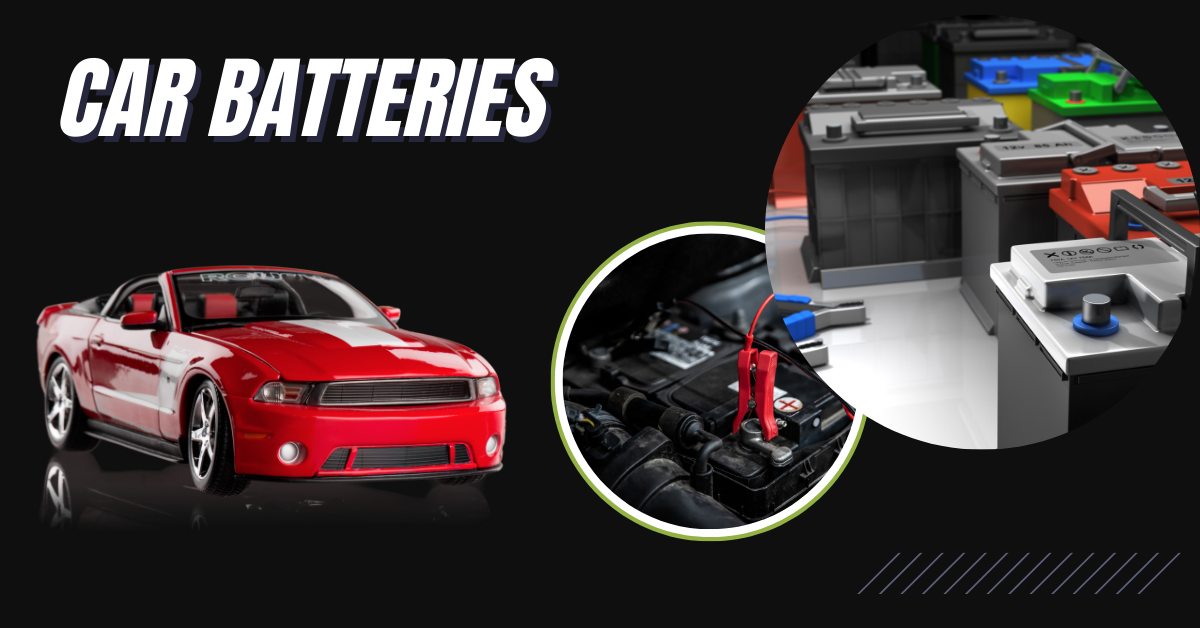
Your car’s battery is its heart. From starting the engine to powering the lights and electronics, car batteries are essential components that ensure smooth driving experiences. With so many options and technological advancements in the automotive industry, it’s critical to understand the basics about car batteries, their types, care tips, and what to look for when choosing a replacement.
This guide will take you through the essential details of car batteries, their maintenance, and common issues to help you make informed decisions.
What Are Car Batteries?
A car battery is a rechargeable power source that stores energy and delivers electrical currents to start the vehicle and operate its electrical systems. Most cars use lead-acid batteries, which are reliable, cost-effective, and powerful. However, modern vehicles may require advanced batteries, such as lithium-ion or AGM (Absorbent Glass Mat) types, to handle increased energy demands.
Types of Car Batteries
Choosing the right car batteries depends on your vehicle type and usage. Here’s a breakdown of the most common options:
- Lead-Acid Batteries: These are the traditional and most widely used types. They’re affordable and offer good performance.
- AGM Batteries: Designed for vehicles with stop-start systems, AGM batteries provide better performance and durability.
- Lithium-Ion Batteries: These are lightweight and ideal for electric or hybrid vehicles. They have a longer lifespan but cost more.
- Deep Cycle Batteries: Typically used in recreational vehicles and boats, these batteries provide sustained power over a long period.
How Do Car Batteries Work?
A car battery works by converting chemical energy into electrical energy. When you turn the ignition key, it sends a surge of power to the starter motor. This energy ignites the fuel, kick-starting your car. Beyond starting the engine, the battery supports features like headlights, air conditioning, and infotainment systems.
Signs Your Car Battery Needs Replacement
Understanding when to replace your car batteries can save you from unexpected breakdowns. Look for these signs:
- Slow engine crank during start-up.
- Dim lights and electrical malfunctions.
- Corrosion around battery terminals.
- A swollen or bloated battery casing.
- Frequent need for jump-starts.
How Long Do Car Batteries Last?
On average, a car battery lasts between three to five years. However, factors like extreme temperatures, frequent short trips, and lack of maintenance can reduce its lifespan. Regular testing and proper care are crucial to extending its life.
How to Choose the Best Car Battery?
When purchasing a new car battery, consider the following factors:
- Size: Ensure the battery fits your vehicle’s compartment.
- Cold Cranking Amps (CCA): Choose a battery with sufficient CCA for reliable performance in cold weather.
- Reserve Capacity: A higher reserve capacity means longer support during emergencies.
- Warranty: Opt for a battery with a good warranty period for added peace of mind.
Essential Tips for Car Battery Maintenance
Keeping your car battery in top condition is easy with these maintenance tips:
- Clean the terminals regularly to prevent corrosion.
- Check the water levels in non-sealed batteries and top up with distilled water when needed.
- Avoid leaving lights or electronics on when the engine is off.
- Drive your car regularly to keep the battery charged.
- Test your battery’s voltage every six months.
Common Car Battery Problems and Solutions
Even the best-maintained car batteries can face issues. Here are some common problems and fixes:
- Battery Drain: Caused by leaving lights on or parasitic drains. Ensure everything is turned off before leaving your car.
- Corrosion: Clean terminals with baking soda and water solution.
- Loose Connections: Tighten the battery cables to ensure proper contact.
- Sulfation: This occurs when the battery is left discharged for too long. Regular charging can help prevent this.
How to Safely Replace a Car Battery
Replacing a car battery is straightforward but requires caution:
- Turn off the engine and disconnect the negative cable first.
- Remove the positive cable and secure it away from the battery.
- Lift out the old battery and replace it with the new one.
- Connect the positive cable first, then the negative.
Top Car Battery Brands in 2024
Here’s a list of trusted car battery brands to consider:
- Optima Batteries: Known for durability and performance.
- Exide: Offers a wide range of options for various vehicles.
- DieHard: Delivers reliable and long-lasting power.
- Bosch: Renowned for innovation and quality.
Cost of Car Batteries
The cost of car batteries can vary based on type and brand. On average:
- Lead-acid batteries cost $50–$150.
- AGM batteries range from $150–$300.
- Lithium-ion batteries can exceed $500.
The Future of Car Batteries
As electric vehicles become more popular, the demand for advanced car batteries continues to grow. Solid-state batteries and other innovations promise longer ranges, faster charging, and improved safety.
FAQs
What is the best type of car battery for cold climates?
AGM or batteries with high Cold Cranking Amps (CCA) are ideal for cold weather.
How can I check if my car battery is dead?
Use a multimeter to check the voltage. A reading below 12 volts indicates the battery may be dead.
Is it safe to jump-start a car with a weak battery?
Yes, but ensure you follow the correct procedure to avoid damage.
How often should I test my car battery?
It’s advisable to test your battery every six months.
Can a car battery recharge itself?
No, but driving your car will allow the alternator to recharge the battery.
What are the environmental impacts of car batteries?
Improper disposal can harm the environment. Always recycle old batteries.
Conclusion
Understanding car batteries is key to maintaining a reliable and efficient vehicle. From choosing the right type to proper maintenance, every aspect plays a crucial role in ensuring your battery performs well and lasts longer. Whether you’re upgrading to a new battery or caring for an existing one, this knowledge will empower you to make the best choices for your vehicle.


Find detailed information of Auto Battery, Car Batteries, Electric Vehicle Battery, Two Wheeler Battery, Heavy Vehicle Battery Suppliers for your buy requirements.
Contact verified Auto Battery Manufacturers, Auto Battery wholesalers, Auto Battery exporters, retailers, traders in India.https://www.exportersindia.com/indian-suppliers/auto-batteries.htm

If you’re looking for a high-quality motorbike batteries UK wide that can keep up with energy-demanding modern motorcycles, you can get it at Orius Ltd!
We have a long list of quality branded batteries, including Varta, Bosch, Torq, and more.
We offer a lifetime warranty for all products purchased.
Shop now online at https://oriusbatteries.com/.