Have you ever wondered what makes your system faster? Why do some devices seem to handle multitasking effortlessly, while others struggle to keep up? The answer often lies in the memory—the key element that determines how quickly your computer can access and process data.
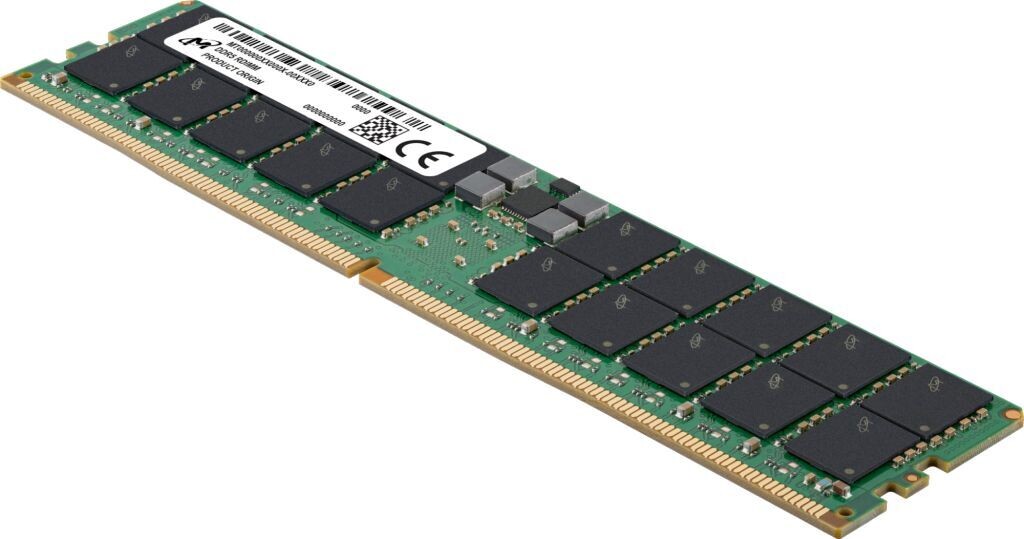
DDR5 (Double Data Rate 5) memory, the latest standard in RAM technology, promises to deliver faster speeds, improved efficiency, and better multitasking performance than its predecessors.
As applications become more demanding, DDR5 is poised to revolutionize system performance in both consumer and professional devices. But what exactly makes DDR5 such a game-changer?
A Rambus report revealed that DDR5 memory brings a number of key performance gains to the table, as well as new design challenges.
In this blog, we’ll take an in-depth look at the seven key advantages of DDR5 memory and how it can enhance system performance across various use cases.
1. Faster Data Transfer Speeds
When it comes to performance, speed is everything. DDR5 memory offers significant improvements in data transfer rates compared to DDR4. While DDR4 operates at speeds ranging from 2133 to 3200 MT/s, DDR5 takes things to a whole new level with a starting speed of 4800 MT/s, which can potentially go up to 8400 MT/s and beyond. If you’re using a device like the Ideapad Pro 5 AMD laptop, you’ll immediately notice the difference as it supports faster memory speeds, providing a more responsive experience.
Why Does Speed Matter?
The higher the memory bandwidth, the faster data can be transferred between the CPU and RAM, which directly impacts system responsiveness. Whether you're gaming, video editing, or running complex simulations, faster memory speeds reduce bottlenecks and allow applications to perform tasks more efficiently. With DDR5, you’ll experience:
2. Increased Bandwidth For Improved Multitasking
DDR5 memory offers significantly increased bandwidth over DDR4, making it ideal for multitasking and resource-intensive applications. Bandwidth refers to the amount of data that can be transferred between the memory and the processor within a given period. DDR5 achieves higher bandwidth by supporting more data channels and faster speeds, which enables faster data access and better handling of multiple tasks simultaneously.
This increased bandwidth allows systems to efficiently run several applications at once without compromising performance, making it perfect for users who need to handle large workloads, such as video editing, 3D rendering, or running multiple virtual machines.
A Kindston report revealed that DDR5 splits the memory module into two independent 32-bit addressable subchannels to increase efficiency.
Key Benefits of Increased Bandwidth in DDR5:
3. Improved Latency For Faster Access
DDR5 memory offers improved latency compared to DDR4, which enhances the speed at which data is accessed from the memory. Latency refers to the delay between when a request for data is made and when it is delivered. DDR5 achieves lower latency through several optimizations, including a more efficient architecture and quicker data access paths.
This reduction in latency allows systems to respond more rapidly to requests, resulting in faster overall performance. For applications requiring real-time data processing, such as gaming, financial trading, or high-performance computing, improved latency is critical in providing smoother, more responsive experiences.
4. Better Power Efficiency With On-Die Voltage Regulation
DDR5 introduces on-die voltage regulation, a significant improvement over DDR4’s traditional method of power management. In DDR4, voltage regulation is handled by the motherboard, which can lead to inefficiencies and increased power consumption.
However, in DDR5, voltage regulation is integrated directly into the memory chip itself, allowing for more precise power delivery and reduced power loss.
This innovation not only enhances overall system efficiency but also lowers energy consumption, making DDR5 an ideal choice for devices where power management is critical, such as laptops and data centers.
Key Benefits of On-Die Voltage Regulation in DDR5:
5. Enhanced Capacity for Large Workloads
DDR5 memory supports significantly larger capacities compared to its predecessor, DDR4, with the ability to scale up to 128 GB per DIMM (Dual Inline Memory Module). This increase in capacity is crucial for handling large and resource-intensive workloads, such as running multiple virtual machines, processing big data, or managing high-resolution media files.
With more memory available, systems can work with larger datasets without encountering slowdowns or performance bottlenecks, ensuring smooth operation even when handling complex tasks.
This makes DDR5 particularly beneficial for professionals in fields like content creation, scientific research, and IT infrastructure, where managing large volumes of data is essential for productivity.
According to Hilelectronic, DDR5 RAM improves data rate, bandwidth, and power efficiency in high-performance computing environments.
6. Improved Stability and Reliability for Enterprise Systems
As enterprise systems become more complex and rely on massive amounts of data, stability and reliability are critical. DDR5 introduces improvements to error-correcting code (ECC) functionality, which provides better fault tolerance and data integrity. This is particularly important for servers and workstations where uptime and system reliability are paramount.
Improved ECC capabilities help to prevent memory errors that could otherwise lead to system crashes, data corruption, or performance degradation. DDR5 ensures that systems run smoothly and reliably, even under heavy workloads or extreme conditions:
7. Backward Compatibility With DDR4
While DDR5 offers cutting-edge performance improvements, it remains compatible with existing DDR4 systems, albeit with some limitations. This backward compatibility allows users to upgrade their systems without needing to completely overhaul their setups. With DDR5, you get the best of both worlds—the power of the latest memory standard and the flexibility of working with older systems.
How Does Backward Compatibility Benefit You?
If you're building or upgrading a system, DDR5 offers you the freedom to choose between future-proofing your device with the latest memory or utilizing DDR4 while still enjoying a performance boost. However, to fully unlock DDR5’s potential, you’ll need a motherboard and CPU that support the new standard:
Conclusion
As we’ve seen, DDR5 memory provides significant advancements over DDR4, offering faster speeds, greater bandwidth, improved latency, and better energy efficiency. Whether you're a gamer, content creator, or enterprise user, DDR5 delivers performance enhancements that make a real difference in system responsiveness, multitasking capabilities, and overall efficiency.
If you’re looking to take your system’s performance to the next level, DDR5 is a key upgrade to consider. With increased capacity, lower latency, and improved power management, DDR5 is poised to meet the demands of the future.
So, how do you plan to harness the power of DDR5 in your next build or upgrade? Are you ready for the enhanced system performance it offers? The future of computing is faster, more reliable, and more efficient with DDR5, and it's time to make the most of it.