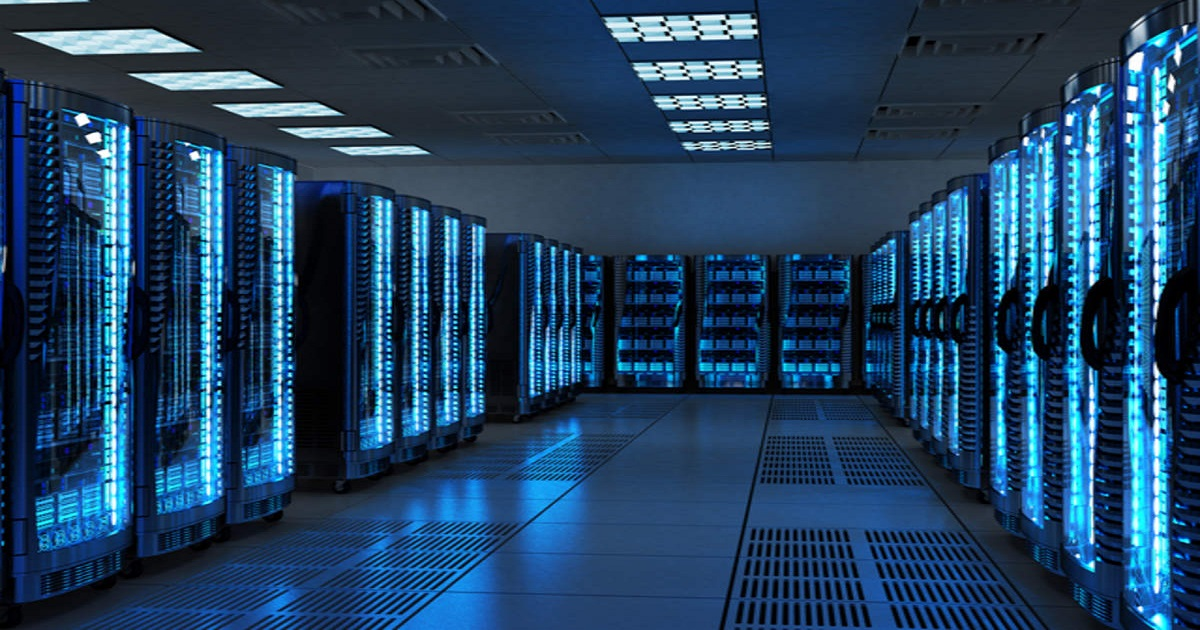
Running a data center without proper rack server planning feels like building a house without blueprints. You might get walls up and a roof over your head. But the rooms won't flow right. The wiring becomes a nightmare. Energy bills skyrocket. Your IT team spends more time fixing problems than innovating.
Smart rack server planning changes everything. It transforms chaotic server rooms into streamlined operations. You save money. Your equipment lasts longer. Performance improves across the board. Teams work faster. Downtime drops dramatically. The benefits touch every corner of your business. Planning ahead might seem like extra work now. But the efficiency gains pay dividends for years.
Let's explore seven concrete ways proper rack server planning boosts your operations and keeps your infrastructure running smoothly.
1. Better Airflow Stops Equipment from Overheating
Hot spots destroy servers faster than anything else. Proper server rack planning creates consistent airflow patterns throughout your data center that remove heat efficiently and protect critical hardware from premature failure. You position intake vents where cool air enters. Exhaust vents sit where hot air leaves. This simple arrangement prevents thermal buildup.
Organizing Cables Opens Up Air Pathways
Messy cables block airflow and trap heat inside racks. Clean cable management opens up critical pathways. Air moves freely from front to back. Your cooling systems work at peak efficiency. Equipment temperatures stay in the safe zone. Server lifespans increase by years.
Strategic placement matters too. You arrange high-heat equipment with plenty of breathing room. Low-power devices fill in the gaps. Hot and cold aisles separate cleanly. Your cooling costs drop while reliability climbs.
2. Power Distribution Becomes More Efficient
Random server placement wastes electricity and creates dangerous overloads. Proper planning of rack servers balances power loads across all circuits. You know exactly which equipment draws how many watts. Circuit breakers handle appropriate loads without strain.
- Power distribution units (PDUs) sit exactly where you need them.
- Cable runs stay short and direct. Voltage drops become minimal.
- Energy efficiency improves dramatically. Your monthly power bills reflect these savings immediately.
Redundant power supplies get configured correctly from day one. Backup systems kick in seamlessly during outages. You avoid the nightmare of losing critical services because someone plugged too many servers into one circuit.
The global market share of data center rack servers is likely to surpass $247.09 billion by the end of 2032, making efficient rack server planning a long-term strategic investment rather than a short-term operational choice.
3. Maintenance Tasks Take Less Time
Finding the right server in a messy rack room wastes hours every week. Proper planning includes clear labeling and logical organization. Technicians locate equipment in seconds instead of minutes. Color-coded cables show connections at a glance.
- Documentation stays current and accessible.
- You know which server does what.
- Update schedules become straightforward.
- Replacement parts arrive pre-configured for specific locations.
- Your IT team spends time on valuable projects instead of hunting through tangled wires.
Physical access improves, too. Racks sit far enough apart for a comfortable working space. Tools and equipment have designated storage spots nearby. Everything your team needs stays within arm's reach. Maintenance windows shrink while completion rates soar.
4. Scalability Gets Built In from the Start
Growth happens whether you plan for it or not. Proper server rack planning leaves room for expansion. You reserve space for future equipment. Power capacity includes headroom for additional servers. Cooling systems handle increased thermal loads.
Network infrastructure supports bandwidth growth. Switch ports await new connections. Cable trays have an empty capacity. You add servers without tearing everything apart and starting over. Expansion becomes a smooth process instead of a disruptive overhaul.
Future Technology Fits Your Current Setup
Planning ahead means thinking about next-generation equipment.
- You design racks with adjustable mounting rails.
- Power outlets support various plug types.
- Your infrastructure welcomes new technology without expensive retrofits.
- Upgrades happen on your schedule instead of when old equipment fails.
Budget forecasting becomes more accurate, too. You know when expansion will happen. Capital expenses are spread out logically. Sudden emergency purchases disappear. Financial planning improves across your entire organization.
5. Network Performance Reaches Peak Levels
Server placement directly impacts network speed. Proper planning minimizes cable lengths between connected devices. The use of shorter cables leads to quicker signal transmission, together with fewer points where the connection can fail. Moreover, latency becomes so low that it is hardly noticeable.
- Switch placement follows logical patterns.
- Core switches are centrally located among the servers they serve.
- Top-of-rack switches connect directly to their equipment.
- Your network architecture matches your physical layout perfectly. Data flows efficiently through optimized pathways.
Bandwidth bottlenecks vanish when you plan connections properly. High-traffic servers connect through dedicated channels. Backup systems avoid congesting primary networks. Quality of service (QoS) configurations work as intended because the physical infrastructure supports them.
6. Security Improvements Protect Your Assets
The very first step towards physical security is to plan the racks wisely. Locked cabinets act as barriers and keep unauthorized personnel away from the sensitive equipment. Cameras cover all approach angles. Access logs track who enters the server room and when.
- Proper planning separates different security zones.
- Public-facing servers sit apart from internal systems.
- Payment processing equipment gets extra protection.
- Compliance requirements become easier to meet and maintain. Audit trails stay clean and complete.
Environmental monitoring catches problems early. Sensors detect water leaks before they damage equipment. Smoke detectors trigger before fires spread.
7. Cost Savings Add Up Quickly
Every efficiency gain translates directly to money saved. Lower power bills arrive every month. Reduced cooling needs cut HVAC costs. Extended equipment life postpones replacement costs, and more importantly, decreased downtime would translate into more earnings.
Labor costs drop when maintenance becomes faster. Your team accomplishes more with existing staff. Overtime decreases as emergency repairs become rare. Training new employees takes less time with organized systems.
Insurance premiums may decrease, too. Better security and fire prevention reduce risk. Some carriers offer discounts for well-managed data centers. The savings compound year after year.
Conclusion
Proper rack server planning transforms your data center from a cost center into a competitive advantage. You gain reliability that competitors struggle to match. Performance levels that delight users. Flexibility that supports business growth. Security that protects your reputation.
The investment in planning pays back faster than almost any other IT expense. You avoid costly mistakes that plague poorly designed server rooms. Your infrastructure becomes an asset that serves your organization for decades. Start planning properly today and watch efficiency gains multiply tomorrow. Your future self will thank you for the foresight.