



Sewer rehabilitation has become a vital solution for extending the life of ageing pipelines without the need for disruptive excavation. As infrastructure continues to age, the maintenance of underground sewer systems has become increasingly urgent. Traditional methods, which involve digging up roads, properties, and landscapes to replace damaged pipes, are costly, time-consuming, and inconvenient. Trenchless sewer rehabilitation offers a modern alternative that restores pipeline functionality efficiently and sustainably without the extensive disruption of conventional repairs.
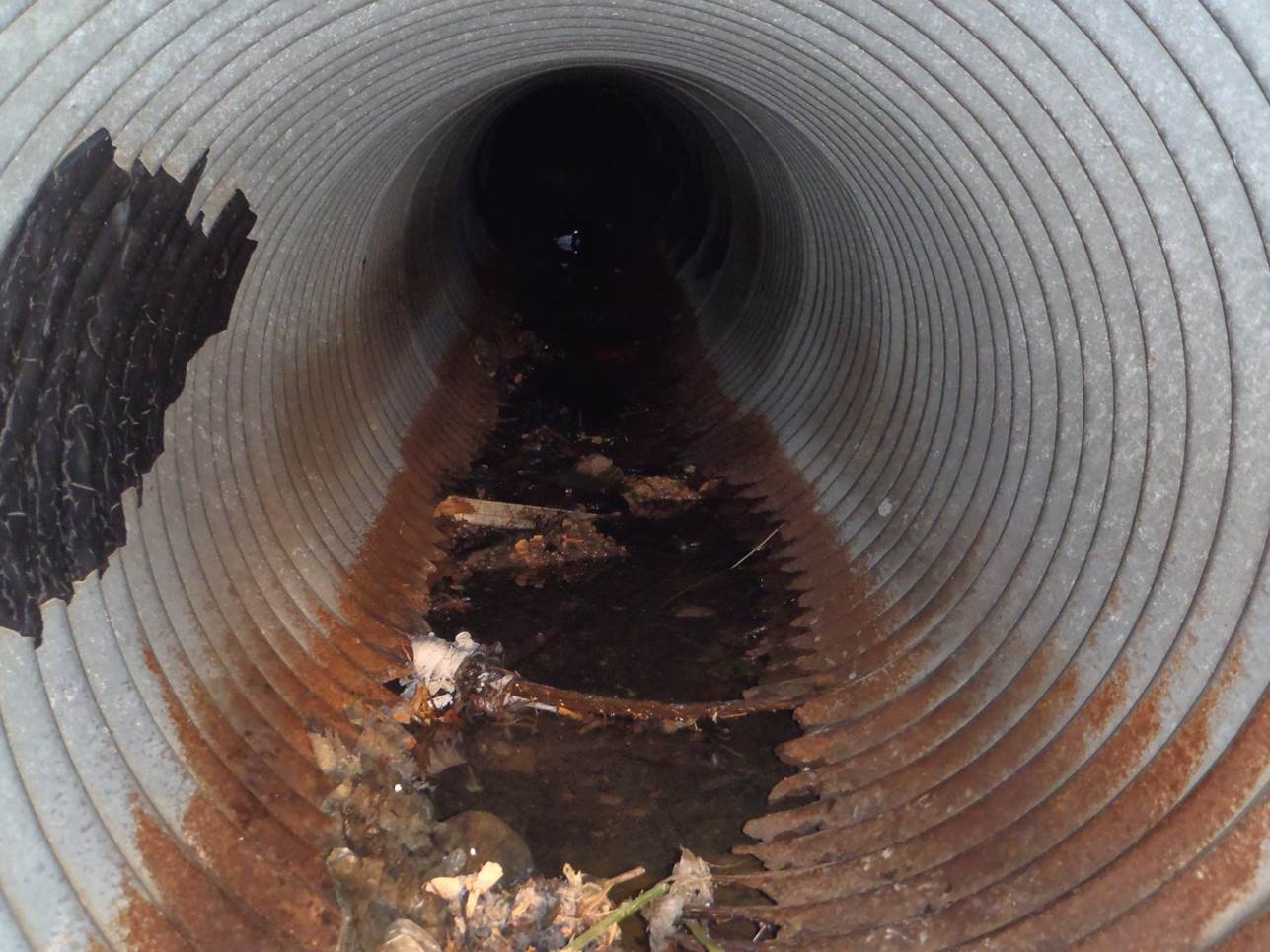
Over time, sewer systems face significant wear and tear due to factors such as corrosion, ground movement, tree root intrusion, and general ageing. These issues often lead to leaks, blockages, and structural weaknesses that compromise the functionality of the entire system. In the past, addressing these problems meant digging trenches to access and replace damaged pipes, resulting in lengthy repair times, significant environmental impact, and high costs. Sewer rehabilitation, however, resolves these issues with far less disruption, extending the lifespan of existing infrastructure.
Trenchless sewer rehabilitation involves repairing or reinforcing pipes from the inside, eliminating the need to excavate large sections of land to access the damaged lines. By working through existing access points such as manholes, this method preserves road surfaces, landscaping, and nearby structures. This approach is particularly valuable in urban areas where excavation would cause major disruptions to traffic, businesses, and residential properties.
One of the most widely used methods of sewer rehabilitation is cured-in-place pipe (CIPP) lining. This technique involves inserting a flexible liner, saturated with a special resin, into the damaged pipeline. Once in place, the liner is inflated and cured using heat, steam, or ultraviolet (UV) light. As the resin hardens, it forms a durable, seamless new pipe within the existing structure, effectively restoring its integrity and functionality. The result is a corrosion-resistant pipe that can last for decades, with minimal impact on the surrounding environment.
The benefits of sewer rehabilitation extend far beyond convenience. By avoiding excavation, this method significantly reduces repair times, allowing projects to be completed in a matter of hours or days rather than weeks. This is particularly advantageous for municipalities, businesses, and homeowners who cannot afford extended disruptions to daily life. Faster repairs also mean lower labour and operational costs, making sewer rehabilitation a cost-effective solution.
In addition to reducing repair times, trenchless sewer rehabilitation offers considerable environmental benefits. Traditional excavation generates large amounts of waste, including soil, asphalt, and concrete, which must be transported and disposed of. This process consumes energy and resources, contributing to environmental degradation. By working within the existing pipeline, sewer rehabilitation minimises waste generation, soil displacement, and carbon emissions, making it a more sustainable option for modern infrastructure maintenance.
The durability of rehabilitated pipelines is another key advantage. Techniques like CIPP lining create strong, long-lasting solutions that resist corrosion, cracks, and tree root intrusion. The new pipes are designed to withstand the pressures of underground systems, ensuring reliable performance for decades. This durability reduces the need for frequent maintenance and repairs, providing long-term savings for property owners and municipalities.
The smooth, seamless surface of rehabilitated pipes also improves flow efficiency. Older pipes often develop rough interiors due to corrosion, debris buildup, and structural damage, which restrict flow and increase the likelihood of blockages. Sewer rehabilitationrestores the pipeline’s original capacity, allowing for smoother flow and reducing the risk of future issues. This improvement is particularly important for stormwater and sewer systems, where consistent performance is critical.
Sewer rehabilitation is highly versatile, making it suitable for a wide range of applications. It can be used to repair pipelines of various materials, including clay, concrete, PVC, and metal, and is effective for pipes of different diameters and lengths. This adaptability allows engineers to address issues in residential, commercial, and municipal sewer systems, providing a reliable solution for diverse infrastructure challenges.
The trenchless nature of sewer rehabilitation also enhances safety. Traditional excavation exposes workers and the public to risks such as collapsing trenches, heavy machinery, and damaged utilities. By working from above ground, sewer rehabilitation reduces these hazards, creating a safer environment for both workers and the surrounding community. The reduced need for heavy equipment also lowers noise and disruption levels, particularly in residential or densely populated areas.
For property owners, trenchless sewer rehabilitation offers peace of mind. Repairs can be completed quickly and with minimal interference to daily activities. Whether the damaged pipe runs beneath a home, driveway, or landscaped garden, sewer rehabilitation preserves the property’s integrity, eliminating the need for costly restoration work. This approach ensures the problem is resolved efficiently without causing further inconvenience or expense.
Municipalities benefit greatly from sewer rehabilitation, as it allows them to address ageing infrastructure while minimising disruptions to the public. Traditional pipe replacement can cause traffic delays, noise pollution, and inconvenience for residents, but trenchless methods ensure repairs are completed with little impact on the surrounding community. This is particularly valuable in busy urban areas where road closures and excavations can have widespread effects.
The growing demand for sewer rehabilitation reflects the increasing need to address ageing infrastructure in a sustainable and cost-effective manner. Many sewer systems have reached or exceeded their design life, creating a pressing need for reliable repair solutions. By extending the lifespan of existing pipelines, trenchless sewer rehabilitation provides a practical alternative to full-scale replacement, helping municipalities and property owners manage their infrastructure efficiently.
Advancements in technology continue to improve the effectiveness and efficiency of sewer rehabilitation. Innovations in materials, curing techniques, and inspection tools allow engineers to complete repairs with greater precision and reliability. For example, the use of CCTV cameras for pipeline inspections ensures that damage is accurately identified, while real-time monitoring during the rehabilitation process guarantees consistent results.
The cost savings associated with sewer rehabilitation are significant, particularly when compared to traditional excavation methods. By reducing labour, equipment, and property restoration costs, trenchless repairs provide a more economical solution for addressing pipeline issues. Additionally, the durability of rehabilitated pipes ensures fewer repairs and replacements in the future, further reducing long-term expenses.
Sewer rehabilitation represents a modern approach to infrastructure maintenance, offering numerous benefits for property owners, businesses, and municipalities. By eliminating the need for excavation, this method reduces repair times, minimises environmental impact, and preserves the integrity of the surrounding area. The long-lasting results provided by trenchless techniques ensure that ageing pipelines are restored to full functionality, extending their service life for decades.
With its combination of efficiency, durability, and minimal disruption, sewer rehabilitation is transforming the way underground infrastructure is maintained. As the demand for sustainable and cost-effective solutions grows, trenchless technology continues to set the standard for modern pipeline repairs. By extending the life of ageing sewer systems without excavation, sewer rehabilitation offers a reliable solution that meets the challenges of today’s infrastructure needs.
About Us
NuFlow is at the forefront of trenchless sewer repair technologies, specializing in Cured-In-Place Pipe (CIPP) solutions. Our commitment to innovation, quality, and customer satisfaction drives us to deliver superior sewer repair services that minimize disruption, protect the environment, and ensure the longevity of urban infrastructure. With a team of experienced professionals and a track record of successful projects, we are your trusted partner in maintaining the health and efficiency of your sewer systems. Trust us to bring cutting-edge CIPP solutions to your doorstep, ensuring a sustainable future for our cities' infrastructure. For more information visit us at https://nuflow.com/.

Through our process of pipe inspection, pipe cleaning, Pipe Restoration USA, pipe lining or pipe replacement we can make small work of big problems.
We pride ourselves on the big jobs, but work just as hard on the small jobs.
Please call for Pipe Restoration Solutions and let the plumbing experts work for you.