Dealing with damaged or aging pipes has long been associated with disruptive digging, broken driveways, and costly repairs. Traditional excavation methods often require large sections of land or property to be torn up just to access underground pipes. Today, trenchless pipe lining offers a far more efficient and less invasive solution that is changing the way pipe repair is approached.
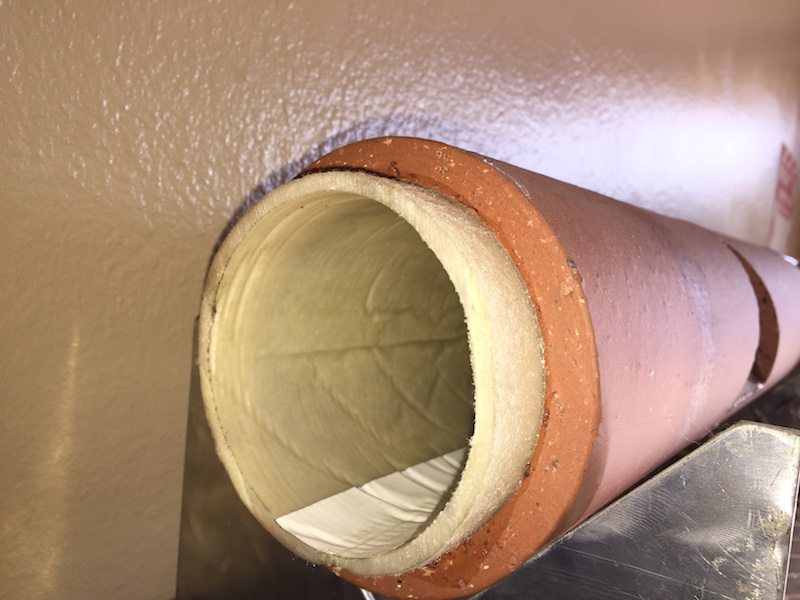
Trenchless pipe lining is a modern technique used to restore existing pipes without removing them. Instead of digging up the old pipe, a new lining is installed inside it, creating a durable inner layer that effectively forms a new pipe within the original structure. This method significantly reduces the need for excavation and preserves surrounding areas.
One of the most appealing aspects of trenchless pipe lining is the minimal disruption it causes. Homeowners and businesses no longer need to worry about landscaping being destroyed or floors being torn apart. The repair process can often be completed with little more than a few access points, keeping the rest of the property intact.
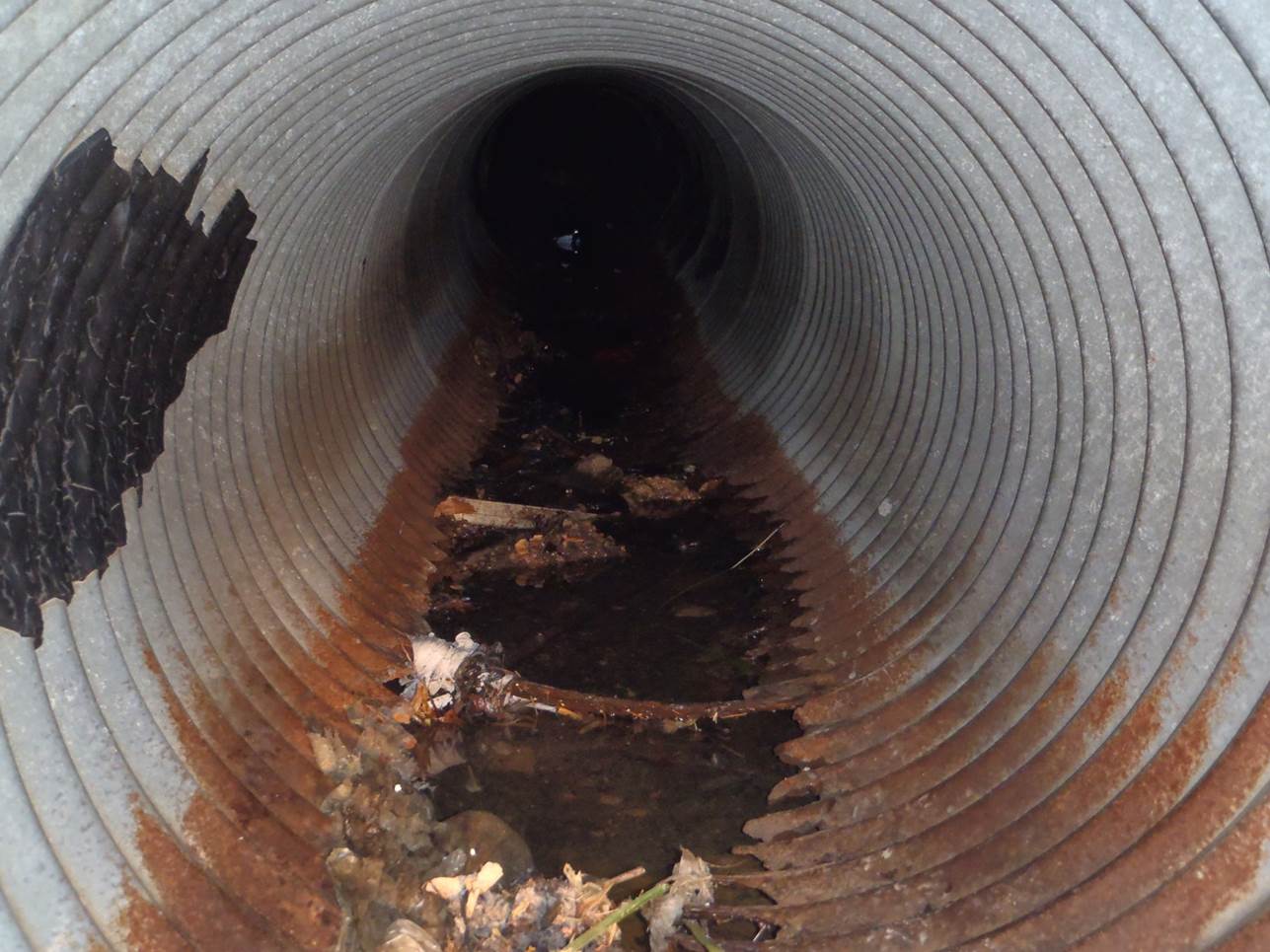
The process typically begins with a detailed inspection of the pipe system. Technicians use advanced camera equipment to assess the condition of the pipes and identify issues such as cracks, leaks, corrosion, or blockages. This step ensures that trenchless lining is the appropriate solution for the problem at hand.
Once the inspection is complete, the pipe must be thoroughly cleaned. Removing debris, buildup, and any obstructions is essential for ensuring that the new lining adheres properly. High-pressure water jetting or specialized mechanical tools are commonly used to prepare the pipe surface.
After cleaning, a flexible liner coated with a resin is introduced into the pipe. This liner is carefully positioned to cover the damaged sections. The resin is designed to harden over time, creating a seamless and durable inner layer that restores the pipe’s functionality.
The liner is then expanded so that it fits tightly against the walls of the existing pipe. This ensures that the new layer bonds effectively and eliminates any gaps or weak spots. The expansion process is a critical step in achieving a uniform and reliable repair.
Curing follows the installation of the liner. Depending on the materials used, curing may involve heat, steam, or ultraviolet light. As the resin hardens, it transforms the flexible liner into a solid structure that is resistant to leaks, corrosion, and root intrusion.
Once the curing process is complete, the pipe is inspected again to confirm the success of the repair. Cameras are used to verify that the lining has been applied evenly and that the pipe is fully restored. Any necessary adjustments can be made at this stage to ensure optimal performance.
One of the key benefits of trenchless pipe lining is its durability. The new inner layer is designed to last for decades, providing a long-term solution that reduces the need for frequent repairs. This makes it an attractive option for both residential and commercial properties.
Cost savings are another important advantage. While the initial investment may be comparable to traditional methods, the reduced labor, shorter project timelines, and minimal restoration costs often result in overall savings. Property owners also avoid the expense of repairing landscaping or structural damage caused by excavation.
Environmental impact is an increasingly important consideration in construction and maintenance. Trenchless pipe lining is a more sustainable option because it reduces waste and limits the disturbance of soil and surrounding ecosystems. By rehabilitating existing pipes, it conserves resources and minimizes environmental damage.
This method is also highly versatile and can be used on a variety of pipe materials, including cast iron, clay, PVC, and steel. It is suitable for a wide range of applications, from residential plumbing systems to large-scale municipal infrastructure.
Despite its many advantages, trenchless pipe lining is not suitable for every situation. Pipes that are severely collapsed or misaligned may still require traditional excavation and replacement. However, for most cases of wear, corrosion, or minor structural damage, trenchless methods provide an effective solution.
Advancements in technology continue to improve the efficiency and reliability of trenchless pipe lining. New materials and techniques are making the process faster, more precise, and capable of addressing a broader range of pipe issues.
For property owners, the convenience of trenchless repair cannot be overstated. The ability to fix pipes without major disruption allows daily routines to continue with minimal interruption. This is particularly valuable in busy households and commercial environments.
In conclusion, trenchless pipe lining represents a smarter alternative to traditional excavation methods. By restoring pipes from the inside, it eliminates the need for extensive digging while delivering long-lasting results. With its combination of efficiency, durability, and minimal disruption, it has become a preferred choice for modern pipe repair solutions.
About Us
NuFlow is at the forefront of trenchless sewer repair technologies, specializing in Cured-In-Place Pipe (CIPP) solutions. Our commitment to innovation, quality, and customer satisfaction drives us to deliver superior sewer repair services that minimize disruption, protect the environment, and ensure the longevity of urban infrastructure. With a team of experienced professionals and a track record of successful projects, we are your trusted partner in maintaining the health and efficiency of your sewer systems. Trust us to bring cutting-edge CIPP solutions to your doorstep, ensuring a sustainable future for our cities' infrastructure.