



Cured-In-Place Pipelining (CIPP) has become a revolutionary solution for restoring damaged pipelines efficiently and cost-effectively. As infrastructure continues to age, addressing pipeline deterioration has become a priority for municipalities, businesses, and property owners. Traditional methods of repair, which often involve excavation and pipe replacement, are labour-intensive, disruptive, and costly. CIPP pipelining provides a modern alternative that restores functionality without the need for extensive digging, saving both time and resources.
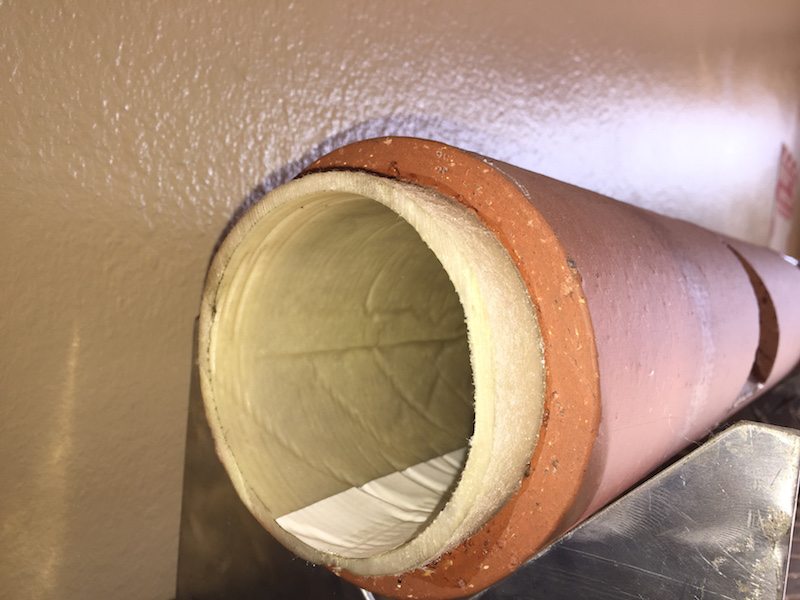
CIPP is a trenchless technology that involves creating a new pipe within the existing damaged one. The process begins with the insertion of a flexible, resin-saturated liner into the pipeline. Once in place, the liner is cured using steam, hot water, or ultraviolet (UV) light. As the resin hardens, it forms a strong, seamless pipe that reinforces the structure of the existing pipeline. This method is particularly effective for sewer systems, stormwater drains, and industrial pipelines, offering a durable solution for pipes suffering from cracks, leaks, or corrosion.
The cost-effectiveness of CIPP pipelining lies in its ability to eliminate the need for excavation. Traditional pipe replacement methods require significant digging, which disrupts roads, landscapes, and structures, leading to extensive restoration costs. CIPP, on the other hand, is conducted through existing access points such as manholes, allowing repairs to be carried out without disturbing the surface. This trenchless approach significantly reduces labour, machinery, and property restoration expenses, making it a more economical option.
Time savings are another key advantage of CIPP pipelining. Traditional repairs can take days or even weeks to complete, especially in urban environments where excavation is challenging. CIPP can often be completed within hours, allowing pipelines to return to full functionality far more quickly. This is particularly beneficial for businesses and municipalities, where downtime can lead to financial losses and public inconvenience.
The durability of CIPP pipelining makes it a worthwhile investment for long-term infrastructure maintenance. Once cured, the new pipe is highly resistant to corrosion, root intrusion, and environmental wear. Its seamless design eliminates weak points where leaks or cracks typically occur, ensuring the rehabilitated pipeline performs reliably for decades. By extending the lifespan of existing infrastructure, CIPP reduces the need for frequent repairs and replacements, providing ongoing savings.
Environmental considerations are increasingly important in pipeline rehabilitation, and CIPP pipelining offers a sustainable solution. Traditional excavation generates large amounts of waste, including soil, asphalt, and concrete, which must be disposed of or replaced. CIPP minimises waste by working within the existing pipeline, reducing the environmental impact of repairs. Additionally, the trenchless process requires less energy and produces fewer emissions compared to heavy excavation machinery, supporting eco-friendly infrastructure management.
CIPP pipelining is versatile and can be applied to pipes of varying diameters, materials, and conditions. Whether the pipeline is made of clay, concrete, PVC, or metal, CIPP provides a reliable solution for restoring functionality. This flexibility makes it suitable for a wide range of applications, from residential sewer lines to large-scale municipal systems and industrial pipelines. The ability to adapt to different environments ensures CIPP is a practical option for diverse repair needs.
The smooth, seamless interior surface of a CIPP liner enhances the performance of rehabilitated pipelines. Older pipes often develop rough surfaces due to corrosion, debris buildup, and structural damage, which restrict flow and lead to blockages. The new pipe created by CIPP eliminates these issues, improving flow efficiency and reducing the likelihood of future clogs. This is particularly valuable for sewer and stormwater systems, where consistent performance is essential for preventing overflows and backups.
CIPP pipelining also improves safety by reducing the risks associated with traditional excavation. Open trenches, heavy machinery, and disturbed utilities can pose hazards for workers, property owners, and the public. Trenchless methods allow repairs to be carried out safely from above ground, eliminating many of these risks. The streamlined process ensures minimal disruption while maintaining a safer work environment.
The precision and quality control offered by CIPP pipelining further enhance its reliability. Before the liner is installed, the pipeline is inspected using CCTV cameras to assess its condition and identify problem areas. During the curing process, operators monitor the liner to ensure it hardens evenly and consistently. This attention to detail guarantees a high-quality result that meets industry standards, providing a durable and defect-free solution for pipeline rehabilitation.
For property owners, CIPP pipelining offers a practical solution that minimises inconvenience. Repairs can be completed without tearing up driveways, gardens, or building foundations, preserving the property’s appearance and functionality. Homeowners and businesses can remain on-site during the repair process, avoiding the disruptions caused by traditional excavation. This level of convenience makes CIPP an attractive option for addressing pipeline issues efficiently.
Municipalities also benefit significantly from CIPP pipelining, as it allows them to rehabilitate ageing infrastructure without disrupting public services or causing widespread inconvenience. Sewer systems are essential for maintaining public health and sanitation, and extended downtime can have serious consequences. CIPP’s ability to restore pipelines quickly and effectively ensures that municipal systems continue operating smoothly with minimal impact on residents and businesses.
The cost savings associated with CIPP pipelining extend beyond the initial repair. By restoring the structural integrity of pipelines, CIPP reduces the need for ongoing maintenance and emergency repairs, which can be costly and disruptive. The long-term durability of the rehabilitated pipes ensures they will remain functional for decades, providing municipalities, businesses, and property owners with excellent value for their investment.
CIPP pipelining also plays a role in modernising infrastructure management. As many pipeline systems approach the end of their design life, the need for efficient and sustainable rehabilitation solutions has become more urgent. CIPP allows communities to address these challenges proactively, extending the life of their infrastructure while reducing costs and environmental impact. This approach supports long-term planning and resource management for critical underground systems.
The growing adoption of CIPP pipelining reflects its effectiveness in addressing the unique challenges of pipeline repair. By combining cost savings, durability, and minimal disruption, CIPP has become the preferred solution for many property owners, municipalities, and industries. Its versatility, environmental benefits, and efficiency make it a leading choice for restoring damaged pipelines quickly and reliably.
The advancements in CIPP technology continue to enhance its effectiveness and accessibility. Innovations in resin materials, curing techniques, and inspection tools allow for even greater precision, speed, and reliability during the repair process. These developments ensure that CIPP remains at the forefront of pipeline rehabilitation, providing a dependable solution for maintaining underground infrastructure.
CIPP pipelining is transforming the way pipelines are restored, offering a cost-effective, durable, and environmentally friendly alternative to traditional excavation. By addressing pipeline issues with minimal disruption and long-term results, CIPP ensures that sewer, stormwater, and industrial systems continue to operate efficiently for years to come. This modern approach to infrastructure rehabilitation delivers significant benefits for property owners, businesses, and communities alike.
About Us
NuFlow is at the forefront of trenchless sewer repair technologies, specializing in Cured-In-Place Pipe (CIPP) solutions. Our commitment to innovation, quality, and customer satisfaction drives us to deliver superior sewer repair services that minimize disruption, protect the environment, and ensure the longevity of urban infrastructure. With a team of experienced professionals and a track record of successful projects, we are your trusted partner in maintaining the health and efficiency of your sewer systems. Trust us to bring cutting-edge CIPP solutions to your doorstep, ensuring a sustainable future for our cities' infrastructure. For more information visit us at https://nuflow.com/.


We offer an incredible drain pipe relining service in the Leeds area.
We have a skilled team with unique expertise in drain lining.
Call us at 01924 379784.