




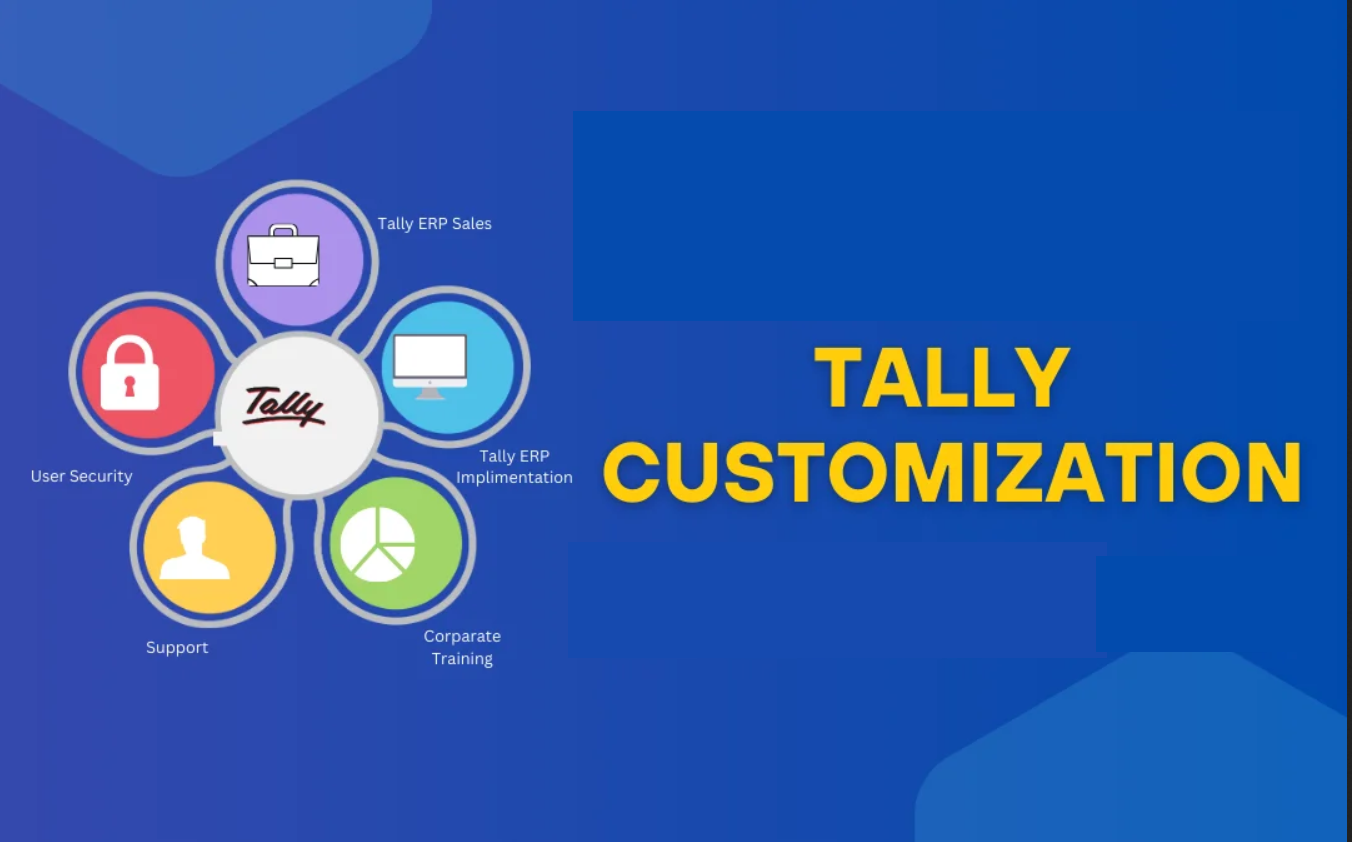
Tally is a widely recognized accounting software celebrated for its versatility and user-friendly design. Its robust features cater to businesses across various industries, making it a trusted solution for financial management. However, as businesses grow and their operations become more complex, the need for tailored solutions arises. Standard software often falls short of addressing unique challenges or specific requirements, prompting the necessity for customization.
This is where Tally customization becomes invaluable. By modifying and enhancing Tally’s core functionalities, businesses can ensure the software aligns seamlessly with their unique operational needs. Customization allows companies to adapt Tally for specialized workflows, industry-specific requirements, or unique reporting demands, ultimately enhancing efficiency and accuracy.
In this guide, we will explore the intricacies of Tally customization, its significance for modern businesses, and how it can transform operations. Whether it's creating custom invoices, integrating third-party systems, or generating detailed reports, Tally customization offers endless possibilities for optimization. By understanding its potential, you can leverage Tally to streamline processes, reduce manual effort, and gain better insights into your business performance. Dive in to discover how Tally customization can unlock new opportunities for growth and innovation in your organization.
1.Introduction to Tally Customization
Tally is a versatile accounting software that serves a wide range of industries with its robust core features. However, businesses often face unique operational challenges that standard software may not fully address. This is where Tally customization plays a crucial role.
Tally customization involves modifying and extending the software's functionalities to meet specific business requirements. From automating workflows to creating tailored reports, customization ensures that Tally adapts seamlessly to an organization’s unique needs. It empowers businesses to improve operational efficiency, gain deeper insights, and enhance decision-making processes.
Whether it’s integrating with third-party systems, designing custom invoices, or streamlining compliance tasks, Tally customization allows businesses to maximize their software investment while staying agile in a competitive environment. By leveraging its potential, organizations can bridge the gap between standard features and specialized demands, ensuring optimal performance and business growth.
2.Why Customize Tally?
Customizing Tally is an excellent way to tailor the software to fit the unique needs of your business. While Tally’s standard features are versatile, they may not fully address industry-specific requirements or operational challenges. Customization bridges this gap by enhancing functionalities and aligning them with your specific workflows.
One of the key benefits is the ability to meet unique business needs. Every industry operates differently, and Tally customization allows you to adapt the software to handle your niche processes effectively. Additionally, improved reporting is a major advantage. Custom reports provide in-depth insights into key metrics, empowering better and faster decision-making.
Another reason to customize Tally is workflow automation. By automating repetitive tasks, businesses can minimize human errors, save valuable time, and boost productivity. Customization also ensures regulatory compliance, helping organizations adhere to local tax and legal requirements seamlessly.
Finally, Tally customization supports scalability. As businesses grow and operations expand, tailored solutions can evolve alongside, ensuring the software continues to meet the demands of a larger and more complex organization. Whether you’re looking to streamline operations, enhance reporting, or future-proof your business, Tally customization is a valuable investment in efficiency and growth.
3.Key Features of Tally Customization
Tally customization unlocks a wide range of powerful features, making it a highly adaptable tool for businesses with unique needs. One notable feature is the ability to create custom invoices. Businesses can design invoices that align with their branding, ensuring a professional and consistent appearance for all client communications.
Another significant advantage is the ability to generate tailored reports. Customization enables businesses to focus on specific metrics relevant to their operations, delivering actionable insights that support better decision-making. Additionally, Tally customization offers robust user access control, allowing organizations to define roles and set permissions based on job responsibilities, ensuring data security and accountability.
Integration capabilities are another highlight of Tally customization. Businesses can seamlessly connect Tally with ERP, CRM, or other software systems, creating a unified workflow and eliminating the need for redundant data entry. Lastly, enhanced data validation features help reduce errors by implementing customized validation rules, ensuring data accuracy and compliance with operational standards.
From branding to integration, Tally customization provides the flexibility to transform the software into a powerful, personalized tool for your business. By leveraging these features, businesses can optimize processes, improve reporting accuracy, and achieve greater efficiency in their daily operations.
4.Types of Tally Customization
Tally customization can vary in scope and complexity, depending on a business's specific requirements. Broadly, it can be categorized into basic, advanced, and industry-specific customizations, each designed to address different levels of operational needs.
Basic Customization
Basic customization focuses on simple modifications to enhance usability and align with business processes. This includes altering invoice formats to match branding requirements and making minor tweaks such as adding fields to ledgers or vouchers for more detailed data tracking. These changes are quick to implement and highly effective for small-scale requirements.
Advanced Customization
Advanced customization delves deeper into functionality to streamline and automate complex tasks. For example, it allows for integration with third-party applications like ERP or CRM systems, creating a seamless workflow across platforms. Additionally, advanced customization can handle intricate processes like automating tax calculations and compliance, significantly reducing errors and saving time on repetitive tasks.
Industry-Specific Customization
Industry-specific customization tailors Tally to cater to the unique requirements of particular industries. For instance, businesses in manufacturing, retail, or logistics can benefit from custom modules designed for inventory management, order processing, or supply chain tracking. This type of customization ensures that the software fully supports industry-specific workflows and operational demands.
5.Steps to Implement Tally Customization
Customizing Tally involves a structured approach to ensure the solution aligns perfectly with your business needs. The process can be broken down into six essential steps:
Step 1: Requirement Analysis
The first step is to thoroughly understand your business’s specific needs. Identify the gaps in the existing system and determine the objectives of the customization, whether it’s improving reporting, automating workflows, or integrating with other systems.
Step 2: Planning
Next, outline a clear scope of customization. This includes defining the features to be added or modified, setting timelines, and allocating budgets to ensure the project stays on track and within resources.
Step 3: Development
During development, Tally Definition Language (TDL) is used to implement the desired changes. This step focuses on coding the customizations while ensuring they are compatible with the core Tally software.
Step 4: Testing
Once the customization is developed, rigorous testing is essential to ensure seamless functionality. This step helps identify and fix any bugs or issues before deployment.
Step 5: Deployment
After successful testing, the customized solution is deployed in the live environment, ensuring minimal disruption to business operations.
Step 6: Training and Support
Finally, provide training for your staff to use the customized features effectively and offer ongoing support to address any operational challenges.
6.Advantages of Tally Customization
Tally customization offers numerous benefits that can significantly enhance business operations, making it an invaluable tool for organizations seeking efficiency and growth.
One major advantage is enhanced efficiency. Custom workflows streamline processes, eliminate redundancies, and boost overall productivity, allowing employees to focus on more strategic tasks. Additionally, it is a cost-effective solution, helping businesses avoid the need for expensive third-party software or manual workarounds. With tailored features, Tally delivers exactly what you need, saving time and resources.
Another key benefit is flexibility. Customization ensures that Tally adapts to your business’s evolving needs, whether it’s scaling operations, integrating new systems, or accommodating regulatory changes. Furthermore, data accuracy is greatly improved through customized validation rules. These rules help minimize errors, ensuring reliable and error-free records, which are essential for smooth operations and compliance.
Finally, Tally customization provides a competitive edge. By offering solutions specifically tailored to your unique business processes, it enables you to operate more efficiently and effectively than competitors relying on standard systems. From better reporting to streamlined workflows, customized Tally solutions position your business for success in a dynamic market. With these benefits, Tally customization is a strategic investment for long-term growth and operational excellence.
7.Challenges and How to Overcome Them
While Tally customization offers significant benefits, it also presents certain challenges that businesses should consider before implementation. Addressing these challenges proactively ensures a smoother customization journey.
1. High Initial Costs
Customization often involves a substantial upfront investment, which can be daunting for small and medium-sized businesses. The solution? Plan the customization in phases, prioritizing essential features first. This approach spreads costs over time, making the process more manageable without compromising functionality.
2. Complexity
Customizing Tally can become complex, especially for advanced or industry-specific requirements. To overcome this, it’s crucial to engage experienced developers proficient in Tally Definition Language (TDL). Their expertise ensures that the customization is developed efficiently and aligns with your needs.
3. Compatibility Issues
Customization might lead to compatibility problems, particularly during software updates. To mitigate this risk, ensure rigorous testing and version compatibility checks before deployment. This minimizes disruptions and ensures seamless integration with Tally’s core functionalities.
4. Dependency on Developers
Relying entirely on external developers can create long-term dependency. To address this, train an in-house team to handle basic customizations. This reduces reliance on external support and ensures quicker resolution of minor issues.
By tackling these challenges strategically, businesses can fully harness the benefits of Tally customization while minimizing potential drawbacks.
8.Best Practices for Tally Customization
When customizing Tally, it’s important to approach the process with careful planning and consideration to ensure long-term effectiveness and efficiency.
1. Understand Requirements Thoroughly
The first step is to gain a clear understanding of your business needs. Avoid unnecessary features that don’t align with your objectives. Focus on customizations that directly address operational challenges or enhance productivity, ensuring that the software remains efficient and purposeful.
2. Keep It Simple
While customization allows for flexibility, keeping the system simple is crucial. Overcomplicating the software can lead to inefficiencies and may make it difficult to maintain. The simpler the system, the easier it is for your team to use and troubleshoot.
3. Focus on Scalability
Consider your business’s future growth when planning customizations. Ensure that the changes you make are scalable, meaning they can easily accommodate increasing transactions, new features, or expanding operations. This way, the software continues to serve your business needs as it grows.
4. Engage Professionals
Working with certified Tally developers ensures that customizations are implemented correctly and efficiently. Their expertise helps avoid errors and ensures that the modifications align with best practices.
5. Regular Updates
Lastly, keeping Tally updated is essential for compatibility. Regular updates prevent issues with software performance and maintain the integrity of customizations over time.
9.Future of Tally Customization
As businesses continue to embrace digital solutions, the demand for Tally customization is poised to rise. In today’s fast-paced business environment, companies need software that not only meets their current needs but can also evolve with their growth. Tally, known for its flexibility and scalability, offers businesses the ability to tailor its functionalities to suit specific requirements. As more organizations seek to optimize their operations, the customization of Tally will play a pivotal role in ensuring that the software adapts to unique processes and workflows.
Looking ahead, emerging technologies like artificial intelligence (AI), machine learning, and blockchain are expected to enhance Tally’s capabilities even further. These technologies offer advanced functionalities, such as automating decision-making processes, providing predictive analytics, and ensuring better data security and transparency. By integrating AI and machine learning with Tally, businesses could unlock smarter workflows, improve forecasting accuracy, and streamline their operations in real-time. Blockchain could enhance the transparency and security of transactions, making Tally an even more powerful tool for industries that require strict data integrity.



The dynamic nature of ODBC means that changes are automatically updated.
Not all Tally users are familiar with setting up ODBC connections and engaging an expert to set this up and normalize data exchange does help.
Specify data from external data sources and select the new database queries after which you choose the data source.
Switch to excel and you can view all the selected columns.
If a purchase bill is entered it enhances the inventory level and when a sales bill is issued the quantity is deducted from the inventory.
Then there are times when an external inventory package may be the first point of data collection such as through barcode scanners for incoming inventory.