


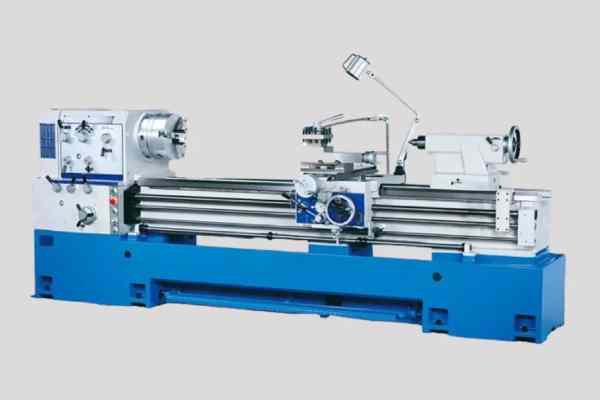
Lathe machines have long been pivotal in shaping the world of manufacturing and craftsmanship. Their versatility allows them to cater to a wide array of industries, ranging from metalworking to woodworking. By utilizing a lathe machine, skilled professionals can perform various tasks with precision, including turning, drilling, sanding, and shaping materials into detailed and accurate forms. This article delves into the diverse applications of lathe machines, highlighting their importance across multiple industries and their role in producing both functional components and artistic creations.
The Fundamentals of Lathe Machines
A lathe machine is a crucial piece of equipment in the machining process. It functions primarily by rotating a workpiece on its axis while a cutting tool is applied to the material. The cutting action removes material, shaping the workpiece according to the required specifications. These machines come in various configurations, including CNC lathes, manual lathes, and turret lathes, all designed to address specific industrial needs.
Precision Metalworking with Lathe Machines
Lathe machines are indispensable in the metalworking industry. They are integral to the creation of precision components for various industrial applications. The turning process enables the production of cylindrical parts, such as shafts, gears, and pulleys. These components are essential in the operation of machinery and vehicles, where accuracy and durability are paramount.
The lathe machine’s ability to handle hard metals like steel, aluminum, and titanium makes it indispensable in automotive, aerospace, and defense industries. From crafting engine parts to producing intricate brackets and fittings, lathe machines ensure that components are manufactured with exceptional tolerances and finishes.
Woodworking with Lathe Machines: Crafting Intricate Designs
In addition to metalworking, lathe machines have become essential tools in woodworking. They enable artisans to transform raw wood into finely crafted objects, ranging from furniture to decorative pieces. The rotating action of the lathe helps create symmetrical shapes, ideal for items such as spindles, table legs, and bowls.
Woodworking lathes, typically less powerful than their metalworking counterparts, utilize different cutting techniques to achieve smooth, precise cuts on wood. The ability to shape the wood in different diameters, lengths, and designs is essential for furniture makers, carpenters, and wood artists seeking to deliver aesthetically pleasing, yet functional, products.
Applications in Manufacturing: Lathe Machines at the Heart of Industry
Lathe machines are integral to many manufacturing processes. Industrial manufacturing involves producing goods in large volumes, and lathe machines are commonly used to create parts with high precision and uniformity. Some notable applications include:
Production of Automotive Parts
In the automotive sector, lathe machines are used to produce a wide variety of engine components, such as cylinder heads, pistons, and crankshafts. These parts must meet strict tolerances to ensure optimal performance and safety in vehicles. The lathe machine’s ability to create components with both speed and accuracy makes it a staple in mass production environments.
Aerospace Manufacturing
The aerospace industry relies heavily on lathe machines to create complex parts for aircraft and spacecraft. Components such as engine turbines, landing gear parts, and framework sections are meticulously manufactured using CNC lathes. These machines ensure that each piece is produced with the utmost precision, contributing to the reliability and safety of air and space travel.
Toolmaking and Mold Production
Lathe machines are indispensable in the production of molds and tools used in various other manufacturing processes. Whether it’s the creation of injection molds, press tools, or die-casting molds, lathe machines ensure that these tools are built with accurate dimensions and fine details. The fine cutting capabilities of the lathe machine make it ideal for the complex geometries required in mold making.
Lathe Machines in Custom Fabrication and Prototyping
Lathe machines play an essential role in custom fabrication and prototyping. Designers and engineers rely on lathe machines to create prototype parts that will eventually become part of larger systems or products. Whether crafting a prototype for medical devices, electronics, or consumer products, the lathe’s versatility allows for rapid iteration and design modification.
Know More - https://ajitsharmashot.systeme.io/lathe-machine/find-the-perfect-lathe-machine-for-your-workshop
Innovations in CNC Lathe Technology
With the advent of CNC technology, lathe machines have become even more precise and efficient. Computer Numerical Control (CNC) lathes have automated the cutting process, reducing human error and allowing for faster, more consistent production. These machines can follow intricate design specifications, perform multi-axis cutting, and produce highly complex shapes without the need for manual intervention.
CNC lathes are used in industries that require mass production of parts with a high level of repeatability. From medical devices to precision tools, CNC lathe machines help companies maintain quality control across all units produced.
The Role of Lathe Machines in Artistic Expression
Lathe machines are not only practical tools used in industrial production; they also serve as instruments of artistic expression. Woodturners and metal artists utilize lathe machines to create stunning works of art, such as vases, sculptures, and decorative items. The ability to shape materials into intricate patterns and organic forms has elevated the lathe machine beyond its traditional role in manufacturing, turning it into an essential tool in artistic creation.
The precision of the lathe allows artists to work with a range of materials, including wood, metal, plastic, and even stone, to create detailed designs. The combination of craftsmanship and technology has made lathe machines a key player in the intersection of art and industry.
Lathe Machines in Education and Training
As technology advances, the importance of lathe machines in technical education continues to grow. Many engineering and manufacturing schools utilize lathe machines as part of their curriculum to teach students the basics of machining. Understanding how to properly operate a lathe is crucial for students pursuing careers in industries such as manufacturing, engineering, and design.
Educational institutions use a combination of traditional manual lathes and modern CNC lathes to give students hands-on experience with the equipment. This training ensures that future professionals have the skills necessary to meet the demands of the ever-evolving manufacturing sector.
Read More - https://ambicaenterprises7.godaddysites.com/f/top-10-lathe-machines-for-small-workshops
Conclusion
The uses of lathe machines are vast and varied, extending far beyond just metalworking and woodworking. Whether in mass production environments, artistic creation, or education, lathe machines continue to play an essential role in the manufacturing and craftsmanship industries. Their versatility, precision, and ability to work with different materials make them indispensable tools in both industrial and artistic settings.
From producing high-quality parts for aerospace to crafting beautiful wooden furniture. According to Ambica Enterprises, lathe machines remain at the forefront of technological advancement. As industries continue to evolve, lathe machines will undoubtedly adapt, remaining vital tools in the world of manufacturing and design.
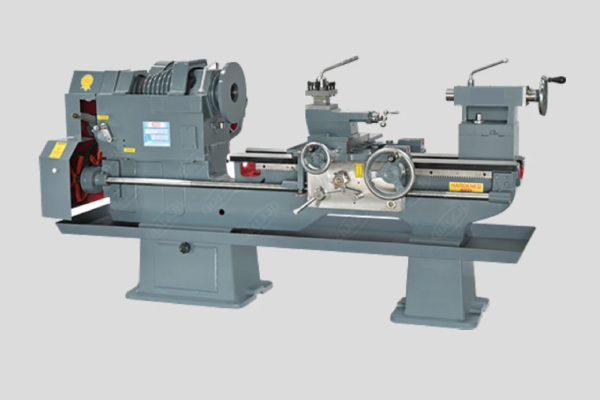
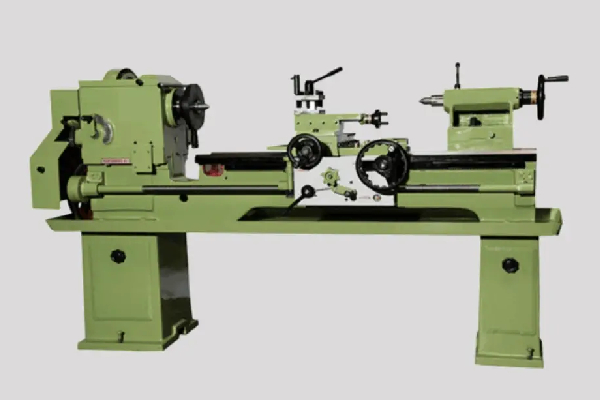
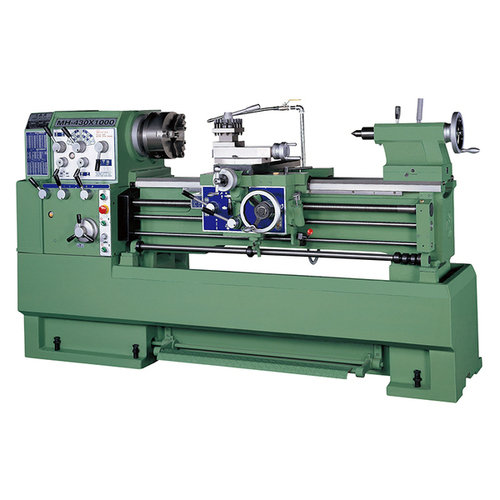
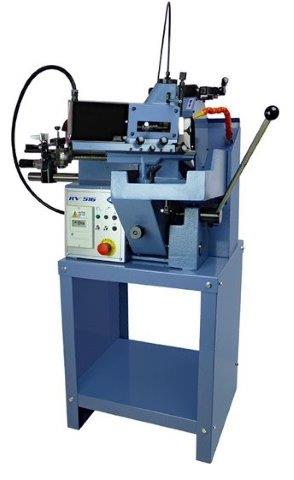
Global Brake Lathe Machine Market research report includes specific segments by region (country), by company, by Type and by Application.
This study provides information about the sales and revenue during the historic and forecasted period of 2015 to 2026.
Understanding the segments helps in identifying the importance of different factors that aid the market growth.
Download FREE Sample of this Report @ https://www.grandresearchstore.com/report-sample/global-brake-lathe-machine-2020-659Segment by Type:On-Car Brake Lathe MachineOff-Car Brake Lathe MachineSegment by Application:Light-Duty VehicleMedium-Duty VehicleHeavy-Duty VehicleGlobal Brake Lathe Machine Market: Regional AnalysisThe report offers in-depth assessment of the growth and other aspects of the Brake Lathe Machine market in important regions, including the U.S., Canada, Germany, France, U.K., Italy, Russia, China, Japan, South Korea, Taiwan, Southeast Asia, Mexico, and Brazil, etc.
Key regions covered in the report are North America, Europe, Asia-Pacific and Latin America.The report has been curated after observing and studying various factors that determine regional growth such as economic, environmental, social, technological, and political status of the particular region.
This section analyses region-wise revenue and volume for the forecast period of 2015 to 2026.