


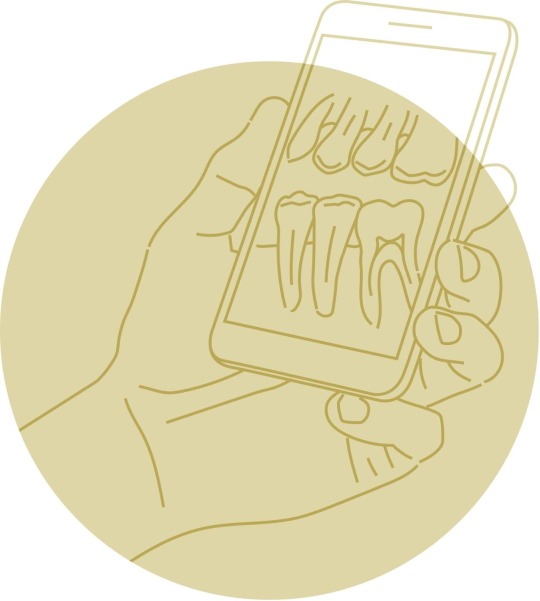
This article delves into mobile dental services, addressing the aging American population's dental needs!
As the United States experiences a demographic shift with an increasing aging population, the demand for accessible and specialized healthcare services is on the rise. Among the many health challenges faced by older adults, oral health often takes a backseat. However, the importance of maintaining dental health in later years cannot be overstated. This is where mobile dental services come into play, offering a revolutionary approach to meeting the unique needs of the elderly population.
The Aging Population and Oral Health Challenges
According to the U.S. Census Bureau, by 2034, older adults are projected to outnumber children for the first time in U.S. history. This shift underscores the need for healthcare systems to adapt, particularly in areas like dentistry.
Aging adults often face specific oral health challenges, including:
A. Tooth Loss: Many seniors lose their natural teeth due to periodontal disease, decay, or other oral health issues.
B. Dry Mouth: A common side effect of medications taken for chronic conditions, dry mouth increases the risk of cavities and gum disease.
C. Oral Cancer: The risk of oral cancers rises with age, requiring regular screenings.
D. Limited Mobility: Physical limitations can make it difficult for older adults to visit traditional dental offices.
Given these challenges, innovative solutions are required to ensure older adults receive consistent and effective dental care.
The Role of Mobile Dental Services
Mobile dental services are transforming how care is delivered, particularly to underserved or vulnerable populations. These services involve fully equipped dental vans or portable equipment brought directly to patients at their residences, assisted living facilities, or community centers.
Benefits of Mobile Dental Services
1. Accessibility: One of the most significant barriers to dental care for the elderly is transportation. Mobile dental services eliminate this obstacle by bringing care to the patient.
2. Comprehensive Care: Modern mobile units are equipped with advanced technology, offering services such as cleanings, fillings, extractions, dentures, and even X-rays.
3. Personalized Attention: Dentists working in mobile settings often spend more time with each patient, ensuring a thorough understanding of their unique needs.
4. Preventive Focus: Mobile services emphasize preventive care, reducing the likelihood of serious oral health problems down the line.
5. Cost-Effective: For many older adults on fixed incomes, mobile dental services are often more affordable than traditional dental care.
Addressing Systemic Health Connections
Oral health is closely linked to overall health, particularly in older adults. Poor dental health can exacerbate systemic conditions such as diabetes, heart disease, and respiratory infections. Mobile dental services can play a crucial role in addressing these interconnected health issues by providing timely interventions and preventive care.
For instance, treating gum disease may help control blood sugar levels in diabetic patients, while maintaining good oral hygiene can lower the risk of pneumonia in individuals residing in long-term care facilities.
Overcoming Challenges in Mobile Dentistry
Despite its many advantages, mobile dentistry faces certain challenges:
i. Funding and Insurance: Securing sustainable funding and navigating insurance reimbursements can be complex.
ii. Workforce Shortages: The demand for mobile dental services often exceeds the supply of trained professionals.
iii. Equipment and Logistics: Maintaining and transporting equipment requires careful planning and investment.
Addressing these challenges will require collaborative efforts between policymakers, healthcare providers, and community organizations.
Parting Thoughts
Mobile dental services represent a practical and innovative solution to address the oral health needs of America's aging population. By overcoming barriers such as mobility limitations and transportation challenges, these services ensure that older adults receive the dental care they deserve.

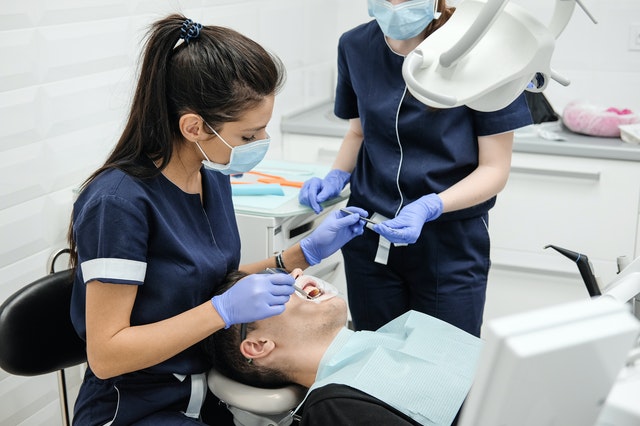
Many advanced dental clinics offer root canal treatment in Perth.
You may come across heaps of ads from dentists claiming their dental services are the best in the area.
They may not be wrong, but how do you know which one is the best option for you?
The only way to know this is by doing thorough research of the best dental clinics and their services.
This can help you select the right place for your dental treatment.Read more