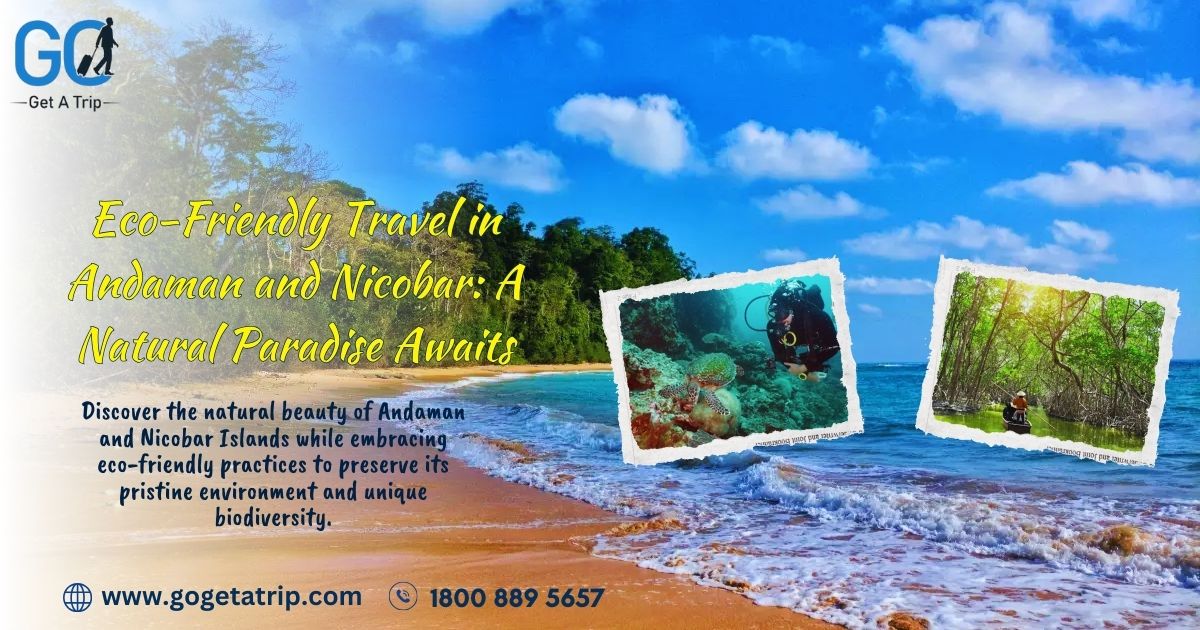
The Andaman and Nicobar Islands are a tropical paradise, giving tourists the opportunity to visit some of India's most pristine landscapes. Its clear waters, lush forests, and multitudes of biodiversity make the archipelago increasingly popular among eco-tourists. If you are looking for an ecological vacation, then Andaman and Nicobar tour packages are an excellent way to explore the picturesque islands while promoting the cause of sustainability.
How to Reach Andaman on a Budget
It is easy to travel from a major city of India to Andaman Islands by flight. With the available schedules, flights come from cities of Kolkata, Chennai, Delhi, and Bengaluru to Port Blair. The costs of a ticket depend on seasonal availability, approximately ranging between INR 4,000 and INR 10,000 for a single journey. By flight, this takes around 2 to 2.5 hours, making this the fastest available option. A ferry is another alternative that is more scenic and affordable. The cost of a ferry ticket from cities like Kolkata or Chennai is from INR 2,500 to INR 3,500 per person, but it takes around 2 to 3 days, thereby turning the journey into an enjoyable adventure.
Best Time to Visit Andaman for Eco-Tourism
November to April would be the perfect time to visit the Andamans for ecotourism, as this is when the weather is calm and ideal to venture out in the open.
Budget Accommodation in Andaman
1. Eco-Friendly Hotels and Resorts
Take up budget stays at eco-friendly resorts like Barefoot at Havelock and Emerald Gecko, using solar power with minimal plastic use.
2. Homestays
Staying in homestays on islands like Havelock and Neil helps to experience the local culture while supporting the community with eco-conscious practices.
3. Dormitories and Guesthouses
Dormitories or guesthouses are another option for the solo traveler as they provide inexpensive stay options but with ecotourism principles like rainwater harvesting and segregation of waste, so both comfort and sustainability can be achieved.
Why Andaman is the Best Eco-Tourism Destination
1. Pristine Beaches
The beaches, for instance, of Radhanagar on Havelock Island with golden sands and crystal-clear waters, are suited best for eco-friendly activities such as beach clean-up and turtle watching.
2. Rich Marine Life and Coral Reefs
Colorful coral reefs housing diverse marine life make it one of the most sought after places for responsible diving and snorkeling.
3. Protected National Parks
Parks like Mahatma Gandhi Marine National Park preserve endangered species and habitats, making them the most suitable natural attractions for nature lovers seeking sustainable exploration.
10 Key Facts About Eco-Tourism in Andaman
1. Six Islands Opened for Eco-Tourism
Eco-tourism has been permitted on six pure islands: Inglis Island, Aves Island, North Button Island, Sir Hugh Rose, Turmugli Island, and Middle Button Island. Travelers who need to be as close to nature as possible must visit these places, as various eco-friendly exercises like bird viewing, wildlife photography, and natural walks are undertaken here.
2. Neil Island – Andaman’s Green Heart
Neil Island, known for its lush greenery and vibrant landscapes, has earned the title of the "vegetable bowl" of the Andaman Islands due to its thriving agricultural practices. As this place features an enchanting display of natural grandeur, here lies the golden opportunity to encounter a mixture of agriculture and sea life in their own respective places. It also welcomes the people into an eco-friendly and serene ambience along with picturesque scenery.
3. World’s Largest Sea Turtles Nest Here
The Andaman Islands are considered as one of the most important nesting sites for the world's marine turtles, particularly for the largest existing sea turtle: the Leatherback Turtle. More than 1,000 nesting Leatherback Turtles alone account for making this a vital ground for nesting. It makes this site highly relevant for global eco-tourism.
4. Dugong Is The State Animal of Andaman
The Dugong, a sea creature often called the "angel of the sea," is the state animal of the Andaman Islands. These gentle creatures graze on sea grass and can be spotted in the warm waters of Little Andaman, North Reef, and the Ritche's Archipelago. Protecting Dugongs is a key focus of ecotourism initiatives in the region.
5. Commercial Fishing Is Banned in Andaman
Commercial fishing is banned in the Andaman Islands in a bid to save marine life and encourage sustainable eco-tourism. The area is today an excellent snorkeling, diving, and wildlife watching locale thanks to this regulation allowing marine ecosystems to flourish.
6. World’s Largest Arthropod Resides in Andaman
Robber Crab or Coconut Crab is the world's largest terrestrial living arthropod and inhabits the islands of Andaman. These extraordinary species are the ones that impress due to their huge size and strong muscles and are seen roving around on South Sentinel island, among other places.
7. Alfred Caves Are Home to Swiftlet Birds
Alfred Caves, found in the Andaman Islands, have Swiftlets. These are birds that construct edible nests made from their own saliva. They attract many eco-tourists to see such a rare phenomenon while contributing towards local conservation efforts.
8. Baratang Has India’s Only Mud Volcanoes
Mud volcanoes on Baratang Island, Andaman is one such unique spot where the phenomena occurs. Such unique geologies give out fire flares and tremendous loud explosions that are simply exciting to an eco-tourist who admires the wonderful wonders of nature.
9. Explore Waterfalls via Elephant Safari or Trekking
The White Surf and Whisper Wave waterfalls on Little Andaman Island are ideal destinations for trekking and elephant safaris. Ecotourism can be pursued through sustainable adventure activities that would not harm the environment while seeing these beautiful waterfalls.
10. Kayaking Through Dense Mangroves
One of the most thrilling eco-tourism activities on Havelock Island is kayaking through its dense mangrove forests. This experience offers a close-up view of the island’s diverse wildlife while raising awareness about the importance of mangrove conservation.
10 Essential Tips for Sustainable Eco-Tourism in Andaman
1. Travel with Respect for Nature
Carry reusable water bottles, do not use plastic bags, and waste management.
2. Participate in Conservation Activities
Join activities such as coral planting or beach cleanups to help contribute to the preservation of the locality.
3. Use Eco-Friendly Transport
Use electric cars or bicycles for transportation to avoid carbon footprint.
4. Choose Eco-Conscious Accommodation
Choose a resort or hotel that practices sustainability.
5. Respect Local Wildlife
Respect wildlife space and do not disrupt their habitats.
6. Avoid Reef Destruction
Avoid harming coral reefs during snorkeling and diving.
7. Support Local Artisans
Help boost the local economy by purchasing handcrafted, eco-friendly products made by local artisans.
8. Limit Your Plastic Use
Use cloth bags and reusable products to minimize plastic waste
9. Engage with Local Initiatives
Volunteer or donate to NGOs that are conservation-focused.
10. Be Aware of the Ecosystem
Always think about the effect of your actions on the fragile environment.
Eco-Friendly Food Places in Andaman
1. Local Seafood and Sustainable Practices
Relish seafood fresh within the local boundaries while ensuring sustainably sourced for its preparation that directly supports locals.
2. Organic Cafes
Eco-restaurants in the vicinity of Port Blair and Havelock include organic, fresh locally prepared organic, vegetarian meals and vegan offerings.
3. Farm-to-Table Dining
Some of the eco-resorts have farm-to-table dining, which sources ingredients from local organic farms to ensure sustainability and provide fresh, wholesome meals. Such options guarantee that your meals are not only delicious but also environmentally friendly.
Shopping Markets for Eco-Tourism
1. Local Craft Markets
When shopping in Andaman, shop for products from local artisans who use eco-friendly materials like bamboo, wood, and seashells for their handicrafts. They are excellent souvenirs, and it keeps the local culture alive.
2. Fresh Produce Markets
Many of the islands of Andamans have thriving fresh fruit and vegetable markets. The visitors to this island can source fruits and vegetables directly from local farmers. In turn, these will promote organic farming and allow an authentic flavor of the island lifestyle
3. Eco-Friendly Products
In shops on the islands of Andaman, one will find many eco-friendly products: biodegradable toiletries, organic cotton garments, and reusable bags. These reduce your environmental impact during the stay.
Opting for a Hassle-Free Andaman Experience with Tour Packages
For those wanting a more planned and eco-friendly vacation, the Andaman and Nicobar tour packages are the way to go. These packages would provide all-inclusive travel experiences that focus on sustainability and eco-tourism. A partner like Go Get A Trip could offer everything: from pick-up and drop-off services to ecologically friendly accommodations, healthy local meals, national park visits, and adventure activities. It gives you a great opportunity to experience a stress-free and smooth trip by choosing these packages while keeping the visit environment-friendly.
Conclusion
In a hidden gem for nature-loving tourists who look for environmental tourism, one will find lots of natural wealth and responsible tourist options. Beautiful beaches, vibrant coral reefs, and unique forms of wildlife - with eco friendly accommodation options-all come together here. By considering Andaman and Nicobar tour packages, you could be assured that you would always have a fun-filled, conscious trip to take care of your environment and communities. Whether you're seeking adventure or relaxation, Andaman promises an unforgettable eco-tourism experience.