





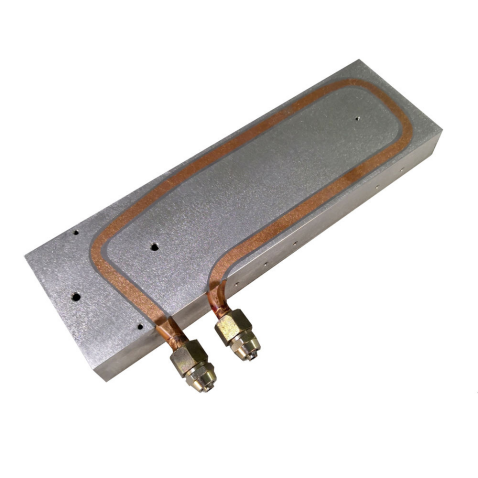
In the world of modern electronics and industrial systems, where performance and precision are paramount, effective thermal management is a cornerstone of success. Whether you’re designing high-powered computing systems, automotive electronics, or industrial machinery, managing heat is not just about enhancing performance—it’s about ensuring reliability and longevity. Enter the tubed cold plate, a cutting-edge innovation that is redefining the way we approach cooling systems.
At Tone Cooling Technology Co., Ltd., we specialize in creating advanced thermal management solutions tailored to meet the evolving demands of industries worldwide. Our tubed cold plates are designed with precision engineering and advanced materials to deliver unparalleled efficiency and reliability.
This guide will explore everything you need to know about tubed cold plates, from their design and functionality to their applications and benefits. By the end of this article, you’ll understand why they are the smarter choice for modern cooling systems and how they are transforming industries that rely on high-performance thermal solutions.

What Is a Tubed Cold Plate?
A special heat exchanger with a tubed cold plate is used to transfer heat from high-temperature components to other high-temperature sources. It typically consists of a metal plate with embedded tubes through which a cooling fluid flows. The combination of the metal plate’s thermal conductivity and the cooling fluid’s ability to absorb heat ensures effective and efficient heat dissipation.
This design is particularly effective for high-heat applications where traditional air-cooling methods fall short. The tubed cold plate provides superior thermal performance, making it ideal for applications in electronics, power systems, and industrial machinery.
Why Are Tubed Cold Plates Essential?
Modern technology is pushing the boundaries of what devices and systems can achieve. With greater performance, however, comes higher thermal output. Efficient cooling solutions like tubed cold plates are essential because they:
- Prevent Overheating: Overheating can lead to component failure or reduced performance.
- Increase Efficiency: Maintaining optimal operating temperatures improves the overall efficiency of systems.
- Enhance Reliability: Proper cooling ensures that devices and systems function reliably over time.
- Support Compact Designs: With devices becoming smaller, space-efficient cooling methods like tubed cold plates are a necessity.
How Do Tubed Cold Plates Work?
The operation of a tubed cold plate is based on the principles of heat conduction and fluid dynamics. Here’s how it works:
- Heat Absorption: Heat from the source, such as a processor or power module, is transferred to the cold plate.
- Fluid Circulation: A cooling fluid, often water or a glycol mixture, flows through the embedded tubes within the cold plate.
- Heat Exchange: As the fluid passes through the tubes, it absorbs heat from the surrounding metal plate.
- Heat Dissipation: The heated fluid is circulated to a heat exchanger or radiator, where the absorbed heat is dissipated into the environment.
- Cooling Cycle Repeats: The cooled fluid is recirculated back into the cold plate, continuing the cycle.
This efficient process ensures continuous heat removal, even in high-heat environments.
Key Features of Tubed Cold Plates
1. High Thermal Conductivity
The metal plates, often made from materials like aluminum or copper, provide excellent thermal conductivity for rapid heat transfer.
2. Customizable Design
The tubes within the cold plate can be arranged in various patterns to optimize cooling performance for specific applications.
3. Compact and Lightweight
Despite their advanced capabilities, tubed cold plates are designed to be space-efficient and lightweight, making them suitable for compact systems.
4. Versatile Cooling Fluids
A range of cooling fluids, including water, glycol mixtures, and specialized coolants, can be used depending on the application requirements.
5. Durability and Reliability
Built to withstand high temperatures and harsh conditions, tubed cold plates are designed for long-term use.
Applications of Tubed Cold Plates
1. Electronics Cooling
High-performance electronics, such as GPUs, CPUs, and power amplifiers, generate significant heat. Tubed cold plates efficiently manage this heat, ensuring consistent performance.
2. Renewable Energy Systems
In solar inverters and wind turbines, effective thermal management is crucial for optimizing energy conversion and extending equipment lifespan.
3. Automotive Electronics
From electric vehicle batteries to advanced driver-assistance systems (ADAS), tubed cold plates play a vital role in keeping automotive electronics cool.
4. Medical Equipment
Sophisticated medical devices, such as MRI machines and laser systems, require precise temperature control, which tubed cold plates deliver.
5. Industrial Machinery
Heavy machinery and manufacturing equipment benefit from the robust and efficient cooling capabilities of tubed cold plates.
Benefits of Tubed Cold Plates
1. Superior Thermal Performance
By combining conduction and fluid-based cooling, tubed cold plates deliver unmatched thermal efficiency.
2. Energy Efficiency
The use of advanced cooling techniques reduces the need for power-hungry fans and active cooling systems.
3. Longevity of Components
Keeping components within their optimal temperature range minimizes thermal stress, extending their lifespan.
4. Quiet Operation
Unlike fan-based systems, tubed cold plates operate silently, enhancing the user experience in noise-sensitive environments.
5. Environmentally Friendly
Energy-efficient cooling solutions like tubed cold plates contribute to reduced carbon footprints in industrial and commercial applications.

How Tone Cooling Technology Co., Ltd Is Leading the Industry
At Tone Cooling Technology Co., Ltd., we pride ourselves on delivering state-of-the-art thermal management solutions. Our tubed cold plates are crafted with precision and innovation, offering:
- Custom Designs: Tailored solutions for unique industry needs.
- Cutting-Edge Materials: High-quality metals and durable construction for long-lasting performance.
- Advanced Engineering: Optimized tube layouts and fluid dynamics for superior cooling.
- Sustainability: Energy-efficient designs that align with green initiatives.
By choosing Tone cooling technology co., ltd., industries can enhance their thermal management capabilities and stay ahead of the competition.
Challenges and Solutions in Tubed Cold Plate Design
While tubed cold plates offer numerous advantages, their design and implementation come with challenges, such as:
- Fluid Selection: Ensuring compatibility with the system and environmental considerations.
- Tube Layout Optimization: Balancing cooling performance with manufacturing constraints.
- Material Durability: Selecting materials that resist corrosion and wear over time.
At Tone cooling technology co., ltd., we address these challenges through rigorous testing, innovative engineering, and a commitment to quality.
The Future of Tubed Cold Plates
As industries continue to innovate, the demand for efficient and compact cooling solutions will only grow. Tubed cold plates are poised to play a pivotal role in this evolution, particularly in emerging fields like electric vehicles, 5G technology, and artificial intelligence. With ongoing advancements in materials science and fluid dynamics, the future of tubed cold plates looks promising.
Conclusion
In today’s technology-driven world, efficient thermal management is not just a necessity—it’s a competitive advantage. The tubed cold plate, with its innovative design and superior performance, represents the pinnacle of modern cooling solutions. From electronics to industrial machinery, its versatility and efficiency are transforming how we approach heat dissipation.
At Tone Cooling Technology Co., Ltd., we are proud to lead this transformation by providing advanced tubed cold plates tailored to the unique needs of our clients. By investing in smarter cooling systems, industries can achieve greater performance, reliability, and sustainability.
With the tubed cold plate, the future of thermal management is here—and it’s cooler than ever.


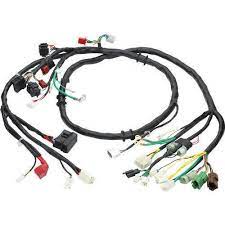
Moreover, this market report also covers regional and country markets in detail.The research report also covers the comprehensive profiles of the key players in the market and an in-depth view of the competitive landscape worldwide.
The major players in the vehicle wiring harness market include Delphi Automotive LLP, Furukawa Electric Co. Ltd, Sumitomo Electric Industries, Ltd., Lear Corporation, THB Group, SPARK MINDA, Samvardhana Motherson Group, Nexans Autoelectric, Yazaki Corporation, and Yura Corporation.
This section consists of a holistic view of the competitive landscape that includes various strategic developments such as key mergers & acquisitions, future capacities, partnerships, financial overviews, collaborations, new product developments, new product launches, and other developments.Get more information on "Global Vehicle Wiring Harness Market Research Report" by requesting FREE Sample Copy at https://www.valuemarketresearch.com/contact/vehicle-wiring-harness-market/download-sampleMarket DynamicsIncreasing production of vehicles and continuous upgrading of technologies are the primary market drivers driving the market growth of vehicle wiring harnesses.
Moreover, the market growth of vehicle wiring harnesses can be attributed to the rise in vehicle sales due to a steady increase in disposable incomes of the consumers.
Furthermore, with the rise of advanced driver assistance systems such as anti-lock brake systems, electronic brake distribution, and adaptive cruise control, the demand for data connectivity cables or wiring harnesses is set to increase.
This rise in demand will further boost the market growth of vehicle wiring harnesses.The research report covers Porter’s Five Forces Model, Market Attractiveness Analysis, and Value Chain analysis.