





In today’s age of advanced computing, powerful processors are pushing the boundaries of performance — and in doing so, they’re also pushing the limits of thermal management. Whether you're running high-performance servers, gaming on the latest hardware, or building AI-driven systems, the need for efficient cooling is more than just a necessity — it’s a technical priority. At the heart of many modern liquid cooling systems lies a crucial component: the CPU cold plate. This specialized device plays a central role in dissipating the intense heat generated by modern processors, allowing systems to achieve peak performance without thermal throttling or instability.

As CPU architectures grow increasingly complex and energy-intensive, conventional air cooling methods often struggle to keep up. Consequently, engineers and system builders are turning to liquid cooling solutions that incorporate high-performance CPU cold plates to ensure optimal thermal conductivity, minimal resistance, and reliability over time.
What is a CPU Cold Plate?
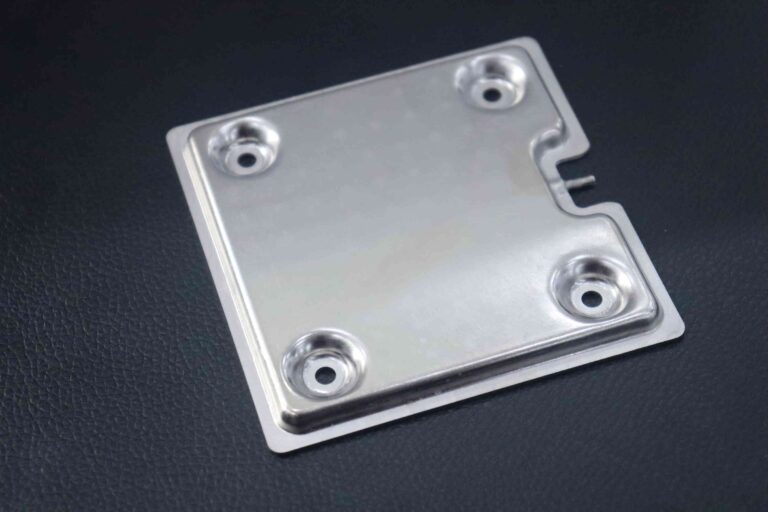
To start with, a CPU cold plate is a thermal transfer device designed to be mounted directly onto the CPU, where it absorbs the heat produced by the processor. It forms the interface between the CPU and the liquid coolant in a liquid cooling system. Made from high-thermal-conductivity materials such as copper, aluminum, or composites, cold plates enable rapid heat transfer through either microchannel, pin-fin, or jet impingement structures that sit beneath the CPU's Integrated Heat Spreader (IHS).
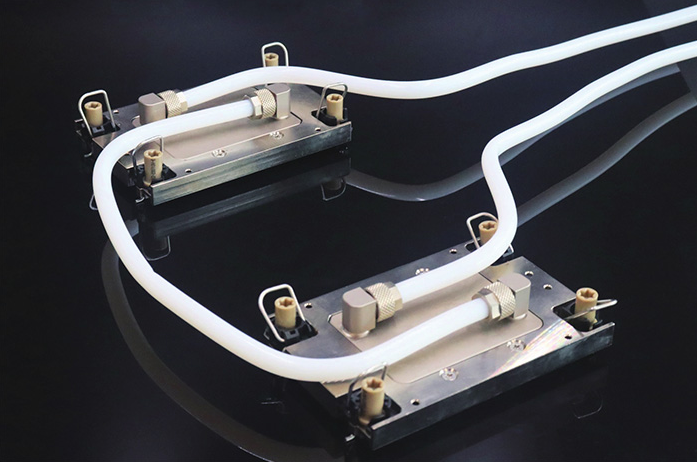
Once the heat is absorbed by the cold plate, it’s carried away by a coolant (often distilled water or a special liquid solution) that flows through the plate’s internal channel system. This coolant eventually reaches a radiator or heat exchanger, where the heat is removed. As a result, the CPU maintains its temperature within safe operational thresholds, thereby delivering reliable and high-speed computing.
Why CPU Cold Plate Technology Matters in 2025
With CPUs in 2025 reaching thermal design powers of 250W and beyond — especially in high-density data centers, gaming systems, and rendering rigs — the importance of reliable heat dissipation cannot be overstated. Here's why CPU cold plate technology is more critical than ever today:
- Higher Heat Loads: Modern CPUs and GPUs generate significantly more heat than their predecessors. Without efficient cooling, these chips may throttle performance or sustain long-term damage.
- Rapid Data Processing: Applications in AI, machine learning, and 4K/8K video editing require consistent performance. Thermal instability can lead to latency or system crashes.
- Compact System Design: With desktop and even server components getting smaller, air cooling becomes less effective due to airflow constraints.
- Energy Efficiency Goals: Efficient cooling reduces the energy needed for active cooling, contributing to more sustainable system design.
- Overclocking Demands: Enthusiasts pushing CPUs beyond their limit can only do so with advanced liquid cooling setups that include well-optimized CPU cold plates.
Thus, investing in the right CPU cold plate means improved system stability, extended hardware lifespan, and the ability to push your system to its true performance potential.
How a CPU Cold Plate Works: Principles of Operation
Understanding how CPU cold plates work requires a look at basic heat transfer principles. The cold plate operates on three core mechanisms:
1. Thermal Conduction
The cold plate conducts heat away from the CPU’s surface using a thermally conductive material — usually copper. The better the conductivity (measured in W/m·K), the faster the heat goes from CPU to coolant.
2. Convective Heat Exchange
Once the heat reaches the microchannel or finned interior structure, the passing coolant absorbs the heat via convection.
3. Liquid Loop Circulation
The heated liquid then continues toward a radiator or chiller unit, where its temperature drops, and it is recirculated back into the cold plate to repeat the cycle.
Types of CPU Cold Plate Designs

Each type of cold plate design has its own set of performance characteristics, determined by how effectively it facilitates coolant flow and heat absorption:
🔸 Microchannel Cold Plates
Featuring very fine channels (<1mm), these are ideal for high-heat, high-flow scenarios. They offer excellent surface area for heat transfer and are preferred in HPC workloads.
🔸 Pin Fin Cold Plates
These cold plates use vertical fin structures that enhance turbulence and heat exchange. They’re effective at balancing flow resistance and thermal performance.
🔸 Jet Impingement Cold Plates
In this design, coolant is forced directly onto the CPU contact area through high-velocity jets. They deliver extremely low thermal resistance but may require specialized pumps.
🔸 Hybrid Cold Plates
Combining microchannel and fin structures or other innovations, hybrid cold plates provide optimized performance for multi-core CPUs and varying heat densities.
Applications of CPU Cold Plate Technology
The adoption of cold plates extends across industries:
-Data Centers: Cold plates enable targeted cooling of CPUs in tight rack environments.
-Gaming and Content Creation: Enthusiasts rely on liquid cooling for stable, high-speed performance.
-Edge Computing and IoT: Compact, fanless systems use cold plates for passive cooling in field installations.
-Military and Aerospace: Ruggedized cold plates with vibration-dampening designs maintain optimal CPU temperatures in mission-critical systems.
Also Read: Applications of CPU Cold Plates
Choosing the Right CPU Cold Plate: Key Considerations

When selecting a cold plate for your thermal loop, consider the following factors:
1. Heat Load Compatibility
Check the TDP or wattage ratings of your CPU and ensure your cold plate can handle it with overhead.
2. Flow Restriction (Pressure Drop)
Balance your pump’s capabilities with the flow resistance of the plate. Microchannels, while efficient, can restrict flow if not matched properly.
3. Form Factor and Footprint
Make sure the physical dimensions fit within your case or rack and align with socket mounting systems.
4. Mounting Kit Compatibility
Confirm whether the cold plate comes with mounting kits for your specific CPU socket (e.g., LGA-4677, AM5, SP5, etc.)
5. Corrosion Resistance
Look for coatings or treatments like nickel plating to avoid galvanic corrosion and ensure long-term durability.
At Tone Cooling Technology Co., Ltd., we offer a detailed thermal design consultation for clients with custom systems or mission-critical requirements.
CPU Cold Plate Performance Metrics
When evaluating cold plates, keep an eye on the following performance specs:
- Thermal Resistance: Measured in °C/W — the lower, the better.
- Flow Rate Compatibility: Typically between 1.0 to 3.5 LPM.
- Pressure Drop: Measured in PSI or bar — lower is better for less pump strain.
- Material Conductivity: Direct correlation with overall cooling efficiency.
Maintenance Tips for Maximum Cold Plate Efficiency
While cold plates are largely passive, routine maintenance ensures optimal performance:
- -Clean the contact surface regularly for consistent thermal interface.
- -Flush the coolant loop every 6 to 12 months to prevent blockage or algae growth.
- -Inspect O-rings and seals for wear or leakage.
- -Replace coolant as specified by the manufacturer — especially if using additives.
The Tone Cooling Advantage
Tone Cooling Technology Co., Ltd. is a trusted name in the design and manufacturing of advanced thermal solutions for enterprise, industrial, and commercial applications. Our CPU cold plate lineup is engineered with:
✅ Advanced microchannel geometries
✅ Premium-grade copper or hybrid alloys
✅ Precision-machined contact surfaces
✅ High compatibility across sockets and platforms
✅ Customizable options for OEM projects
Whether you’re upgrading your gaming PC or designing the next edge server node, we’re here to help you keep your systems safe, stable, and smartly cooled.

Let Your Processor Reach its True Potential
In modern systems, cooling is no longer just an afterthought — it’s a foundational design element that determines performance, reliability, and energy efficiency. The CPU cold plate sits right at the center of this equation, offering effective and scalable thermal management for systems of all sizes and applications.
Frequently Asked Questions (FAQ)
❓ What is the expected lifespan of a CPU cold plate?
With proper maintenance, a high-quality CPU cold plate can last 5–10 years. Degradation usually occurs due to corrosion or physical damage.
❓ Is a CPU cold plate necessary for gaming?
Not for casual gaming, but for high-end setups or overclocked CPUs, it significantly enhances stability and allows better performance margins.
❓ Can one cold plate support multiple CPUs?
Some cold plates are designed for dual-CPU configurations, especially in rack-mounted servers, though custom solutions are often required.
❓ What coolant should I use with my cold plate?
We recommend non-conductive, anti-corrosive coolants that are compatible with the plate's material. Always refer to your manufacturer’s guidelines.
❓ How often should I inspect my cold plate?
Every 3-6 months, inspect for leaks, corrosion, and dust buildup. Clean and replace thermal interface material if necessary during inspection.


It is quite common for your CPU to break down over time, but there are various reasons for the origin and cause of the damage.
To explain it further, you will find the ‘system interrupts’ issue flashing in the Task Manager of your Windows desktop.
These interruptions can be caused by the software or hardware and their processors.
An interrupt is responsible for alerting the processor about a high-priority condition that requires the interruption of the current code running on the processor.
To deal with this situation, the processor suspends all its activities and executes the interrupt handler.
It also informs the CPU about errors that leads it to use more storage than required.