

Social Emotional Learning (SEL) is a cornerstone of modern education, fostering essential life skills such as empathy, self-awareness, and effective communication. A well-designed Social Emotional Learning Curriculum empowers children to navigate their emotions, build meaningful relationships, and make responsible decisions, ultimately setting them up for lifelong success.
What is a Social Emotional Learning Curriculum?
A Social Emotional Learning Curriculum is a structured program that integrates lessons focused on emotional intelligence and interpersonal skills into a child’s education. It goes beyond traditional academic subjects, emphasizing the importance of:
- Self-awareness: Understanding one's emotions and how they influence behavior.
- Self-management: Developing strategies to regulate emotions and actions.
- Social awareness: Recognizing and respecting others' perspectives and feelings.
- Relationship skills: Building and maintaining healthy interactions with peers and adults.
- Responsible decision-making: Making thoughtful choices that consider ethical standards and consequences.
The Importance of SEL in Early Childhood Education
Incorporating a Social Emotional Learning Curriculum at an early age can profoundly impact a child’s development. Here’s why it matters:
1. Enhances Emotional Regulation
Children learn to identify and manage their feelings, reducing stress and fostering resilience.
2. Encourages Positive Social Behavior
By teaching empathy and kindness, SEL nurtures a sense of community and collaboration.
3. Improves Academic Performance
Studies show that students with strong social and emotional skills perform better academically, as they are more focused and motivated.
4. Reduces Behavioral Issues
An effective SEL curriculum addresses the root causes of negative behavior, creating a positive learning environment.
Key Components of an Effective SEL Curriculum
A successful Social Emotional Learning Curriculum includes:
1. Interactive Activities
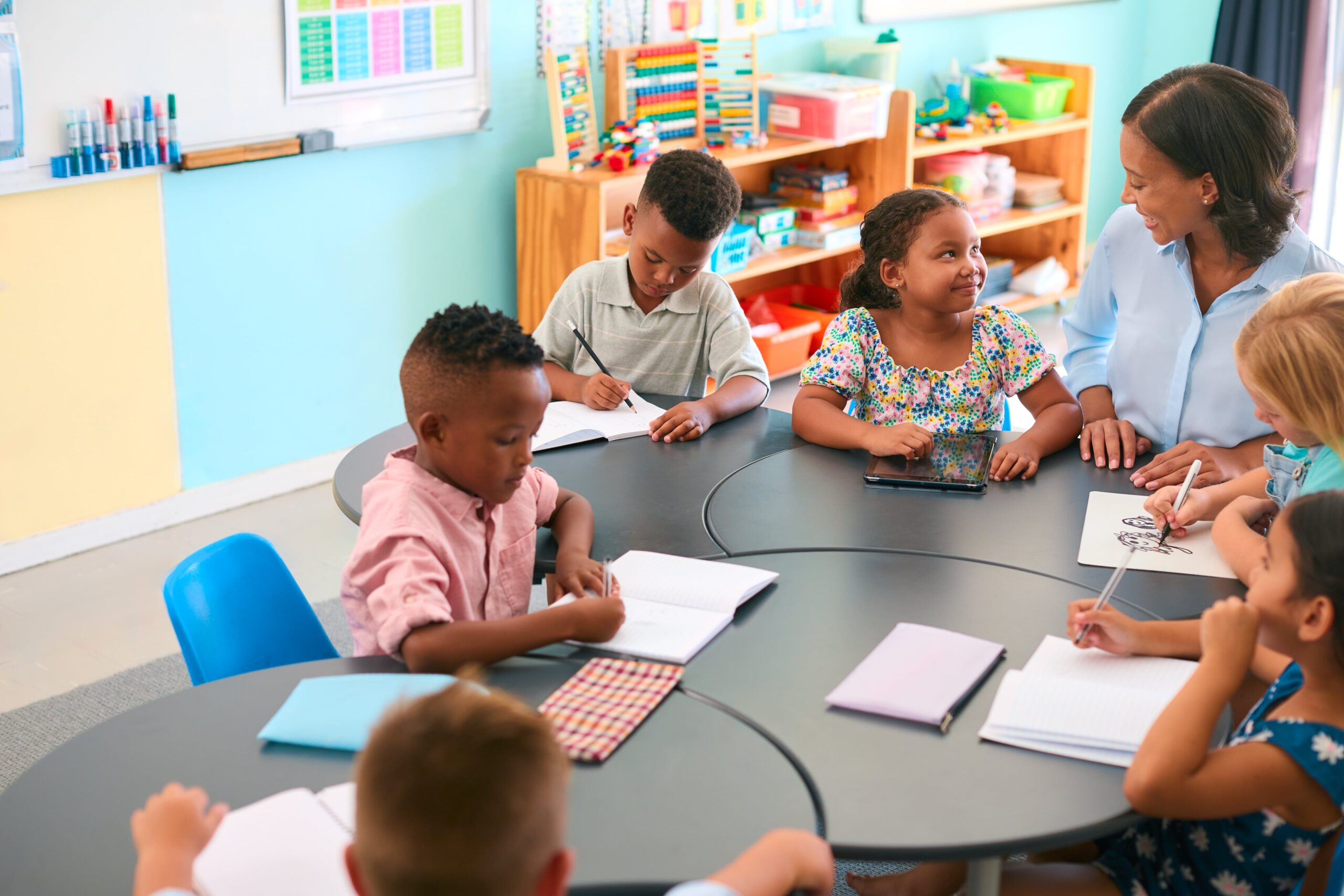
Engaging lessons such as role-playing, group discussions, and storytelling help children connect with concepts on a deeper level.
2. Age-Appropriate Content
Tailored materials ensure children understand and relate to the lessons. For instance, a curriculum for ages 3-7 may include games and visual aids.
3. Hands-On Learning
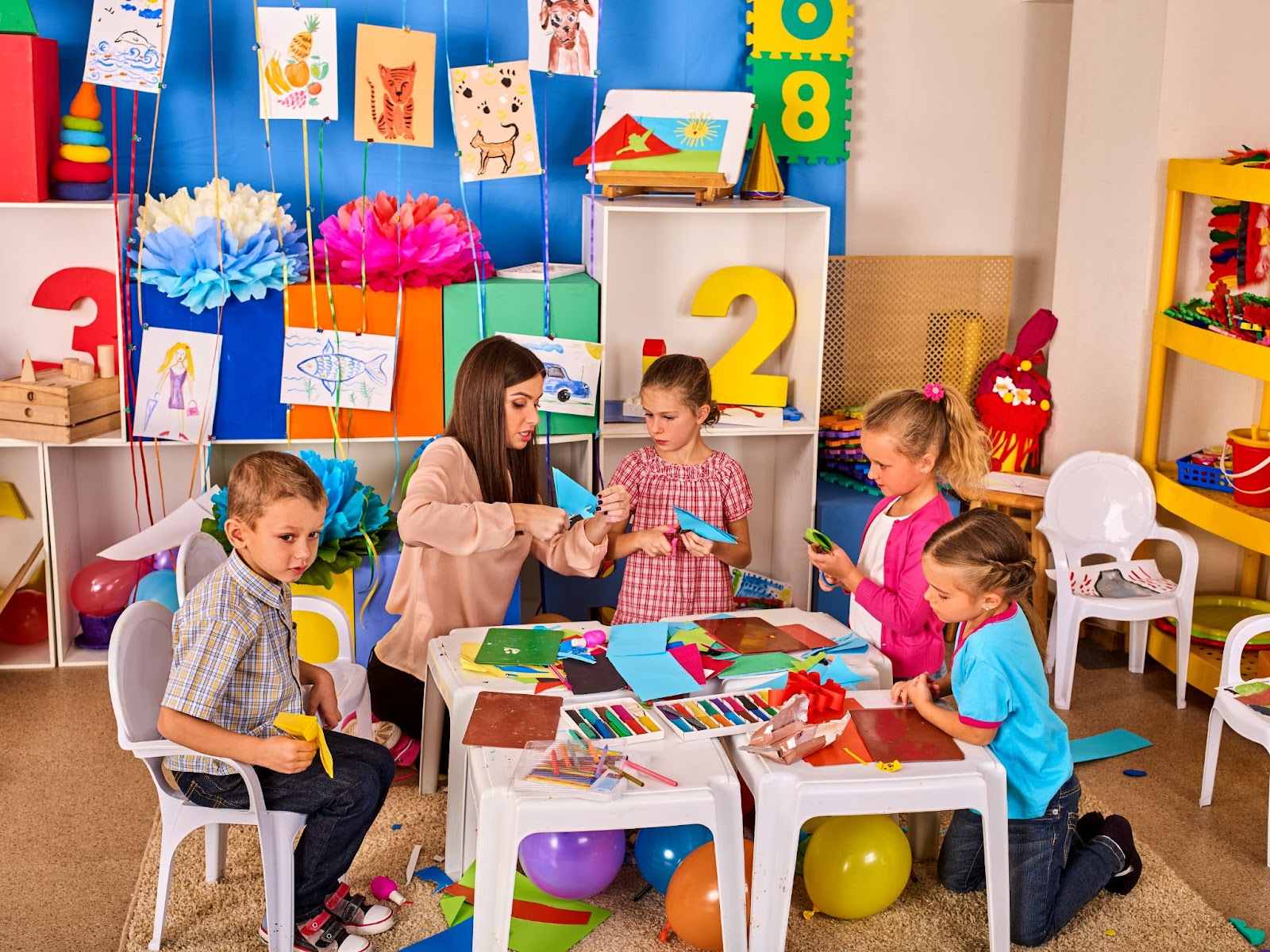
Experiential activities like art projects and community service foster practical application of SEL principles.
4. Continuous Assessment
Regular evaluations help track progress and identify areas for improvement.

Why Choose the humanKIND Curriculum?
If you’re looking for an impactful Social Emotional Learning Curriculum, the humanKIND Curriculum is your perfect solution. Designed specifically for children aged 3-7, it provides:
- Fun and Interactive Lessons: Kids engage with hands-on activities that make learning enjoyable.
- Focus on Kindness and Respect: The curriculum instills core values through practical exercises.
- Easy-to-Use Format: Ideal for educators and parents, it simplifies the implementation process.
Download the humanKIND Curriculum Today!
Help your children build kindness, respect, and essential social-emotional skills with the humanKIND Curriculum. Engage young minds with fun, interactive lessons that nurture emotional growth and interpersonal understanding. Download now to start empowering kids for a brighter, more compassionate future!