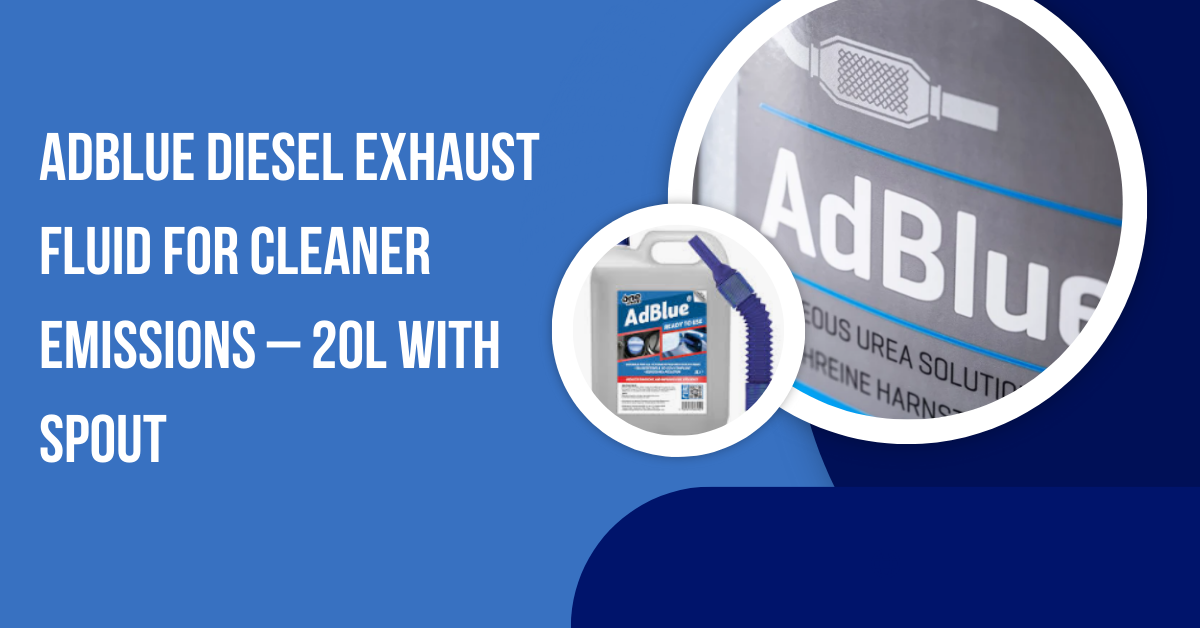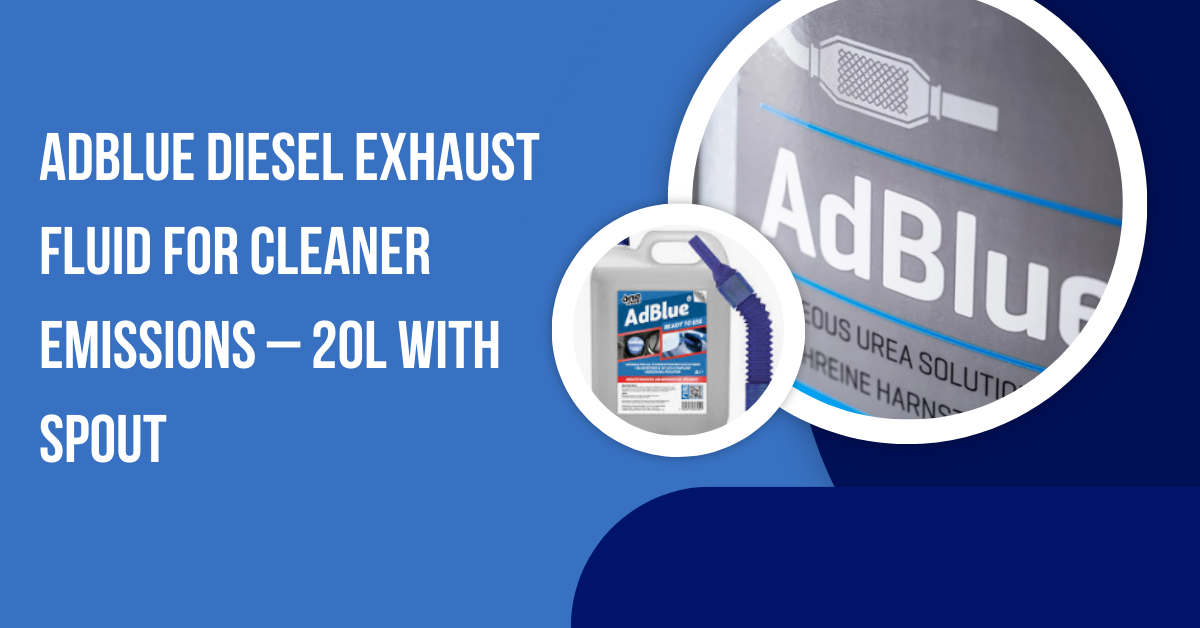
Reducing harmful emissions has become a critical concern in modern diesel engines, and AdBlue plays a vital role in addressing this challenge. This innovative solution ensures vehicles comply with stringent environmental standards while maintaining optimal engine performance. With the growing adoption of eco-friendly technologies, understanding AdBlue is essential for both vehicle owners and businesses.
What is AdBlue?
AdBlue is a non-toxic liquid solution made from high-purity urea and deionized water. Used in diesel engines equipped with Selective Catalytic Reduction (SCR) systems, it helps convert harmful nitrogen oxides (NOx) into harmless nitrogen and water vapor. This process significantly reduces the impact of diesel engines on air quality.
Key Facts about AdBlue:
- Complies with ISO 22241 standards to ensure safety and effectiveness.
- Widely used in heavy-duty trucks, buses, and passenger vehicles.
- Environmentally friendly and biodegradable.
“AdBlue is not just a product but a commitment to cleaner air,” says automotive expert John Miller.
How Does AdBlue Work in Diesel Engines?
The SCR technology in diesel vehicles is designed to reduce harmful emissions. When AdBlue is injected into the exhaust system, it reacts with NOx gases through a catalytic converter, breaking them into harmless nitrogen and water. This process ensures compliance with Euro 6 emission standards and other regulations worldwide.
Top Advantages of Using AdBlue
Using AdBlue offers numerous benefits, making it indispensable for modern diesel engines:
- Environmental Compliance: Meets legal emission limits for heavy-duty vehicles.
- Improved Fuel Efficiency: Reduces NOx emissions without compromising engine performance.
- Cost-Effective Solution: While there is an upfront cost, using AdBlue can lower fines and penalties for non-compliance.
Who Needs AdBlue?
If you own a diesel vehicle manufactured after 2015, chances are it requires AdBlue. Commercial fleets, public transportation systems, and logistics companies benefit significantly from its application.
- Fleet Operators: Ensures compliance with emission norms and avoids operational disruptions.
- Individual Drivers: Maintains vehicle efficiency and reduces environmental impact.
How to Refill AdBlue?
Refilling AdBlue is straightforward and can be done at most fuel stations or service centers.
Steps for Refilling:
- Locate the AdBlue tank, often marked with a blue cap.
- Use certified AdBlue containers to avoid contamination.
- Fill until the indicator shows the appropriate level.
Remember, always store AdBlue in a cool, shaded place to preserve its quality.
AdBlue vs. Diesel Exhaust Fluid (DEF): Are They the Same?
Yes, AdBlue and Diesel Exhaust Fluid (DEF) are essentially the same. While AdBlue is a trademarked name in Europe, DEF is commonly used in North America. Both serve the same purpose and adhere to similar standards.
Impact of AdBlue on Vehicle Maintenance
Regular use of AdBlue can enhance the lifespan of your diesel engine by reducing soot build-up and maintaining cleaner combustion. However, neglecting its usage can lead to warning lights, reduced power, or even vehicle shutdown in some cases.
Common Myths About AdBlue Debunked
Myth: AdBlue damages the engine.
Fact: When used properly, AdBlue protects your engine and ensures smoother operations.
Myth: AdBlue can be replaced with water.
Fact: Using anything other than certified AdBlue can harm the SCR system.
Environmental Benefits of AdBlue
The adoption of AdBlue aligns with global goals for reducing air pollution. Diesel engines using SCR and AdBlue emit up to 90% fewer nitrogen oxides compared to older models.
How to Store AdBlue Properly?
Proper storage is essential to maintain its effectiveness.
- Keep it between -11°C and 30°C.
- Avoid direct sunlight and contamination.
- Use sealed containers to prevent evaporation.
Challenges Associated with AdBlue Usage
Despite its benefits, users may face minor challenges like freezing in extremely cold climates. However, most vehicles are equipped with heating systems to keep AdBlue functional.
FAQs About AdBlue
What happens if my vehicle runs out of AdBlue?
Most modern vehicles will not start or will operate in a reduced mode until the tank is refilled.
Is AdBlue harmful to humans?
No, AdBlue is non-toxic and safe to handle with basic precautions.
Can AdBlue expire?
Yes, it typically has a shelf life of 12–18 months if stored correctly.
How often do I need to refill AdBlue?
Frequency depends on vehicle usage but is usually required every 5,000–10,000 km.
Is AdBlue only for large vehicles?
No, many passenger cars with diesel engines also require AdBlue.
Can I mix different brands of AdBlue?
Yes, as long as they meet ISO 22241 standards.
Conclusion
Understanding AdBlue and its role in emission control is essential for maintaining a sustainable future. By reducing harmful NOx emissions and ensuring compliance with environmental regulations, AdBlue has become a cornerstone in modern diesel technology. Whether you own a personal vehicle or manage a fleet, using AdBlue responsibly ensures cleaner air and better engine health.


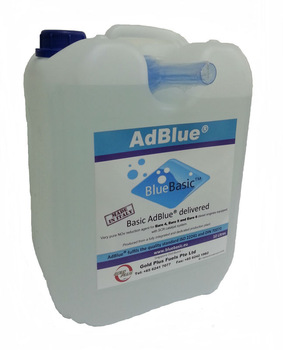
The Global Diesel Exhaust Fluid (Adblue) Market is projected to grow at a healthy growth rate from 2018 to 2025 according to new research.
The study focuses on market trends, leading players, supply chain trends, technological innovations, key developments, and future strategies.
It also presents insights into various restraints that pose threat and highlights opportunities that will help the market pick pace in the forthcoming years.
The report compiles exhaustive information obtained via proven research methodologies and from trusted sources from within the industries.
It also includes expert opinions to provide readers a clearer perspective regarding the global market.
The report segments the global Diesel Exhaust Fluid (Adblue) market as: Global Diesel Exhaust Fluid (Adblue) Market: Regional Segment AnalysisNorth AmericaEuropeChinaJapanIndiaSoutheast AsiaOther regions (Central & South America, Middle East & Africa) Global Diesel Exhaust Fluid (Adblue) Market: Type Segment AnalysisAUS32ARLA32 Global Diesel Exhaust Fluid (Adblue) Market: Application Segment AnalysisVehicularNon-vehicular Global Diesel Exhaust Fluid (Adblue) Market: Manufacturers Segment AnalysisPEAKHartland Fuel ProductsBalcrankGracoFordpartsMcPherson Companies (TMC)Colorado Petroleum Products Company(CPPC)FVPRelaDyneDowns EnergyDakota Gasification CompanyAirgasCervantes DelgadoCF IndustriesCoreFluidsDyno NobelKost USAKRUSE-GroupPotash CorpYara Global Diesel Exhaust Fluid (Adblue) Market: Key StakeholdersDiesel Exhaust Fluid (Adblue) ManufacturersDiesel Exhaust Fluid (Adblue) Distributors/Traders/WholesalersDiesel Exhaust Fluid (Adblue) Subcomponent ManufacturersIndustry AssociationDownstream Vendors For More Information Click Here @ https://www.upmarketresearch.com/home/enquiry_before_buying/6652 In this study, the years considered to estimate the market size of Diesel Exhaust Fluid (Adblue) are as follows:History Year: 2013-2017Base Year: 2017Estimated Year: 2018Forecast Year 2018 to 2025 The micro and macroeconomic factors influencing the growth of the market are covered in the detailed study of the Diesel Exhaust Fluid (Adblue) Market analysis report published on Up Market Research.