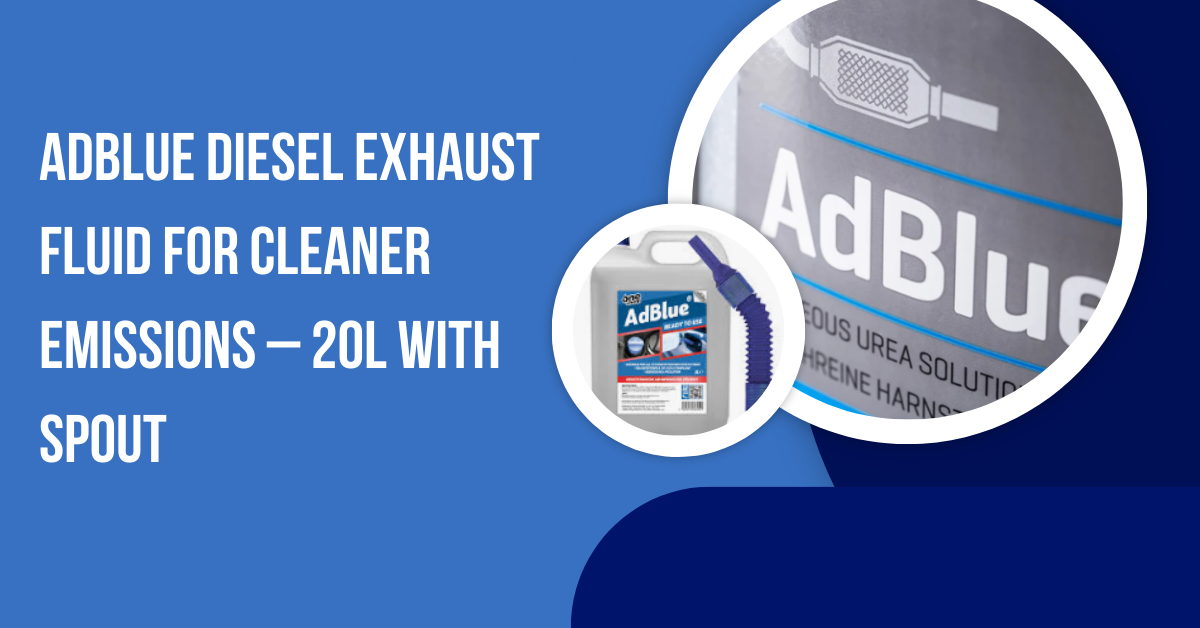
AdBlue is a high-purity urea solution used in diesel engines with Selective Catalytic Reduction (SCR) technology. It helps reduce harmful nitrogen oxide (NOx) emissions, making diesel vehicles more environmentally friendly. With stricter emission regulations worldwide, using AdBlue is essential for compliance and better engine performance.
According to the International Energy Agency (IEA), NOx emissions contribute to 7 million premature deaths annually due to air pollution. This makes AdBlue a crucial component in controlling emissions from diesel engines.
How Does AdBlue Work in Diesel Engines?
AdBlue is injected into the exhaust system of diesel vehicles. It reacts with NOx gases inside the SCR system, converting them into harmless nitrogen and water vapor. This process significantly reduces emissions and improves air quality.
Step-by-Step Process:
- Step 1: The diesel engine burns fuel, producing exhaust gases containing NOx.
- Step 2: The SCR system sprays AdBlue into the exhaust.
- Step 3: A chemical reaction breaks NOx down into nitrogen and water.
- Step 4: Clean emissions exit the exhaust pipe.
Benefits of Using AdBlue in Diesel Vehicles
Using AdBlue offers several advantages for diesel vehicle owners, fleet operators, and the environment.
Reduces Harmful Emissions
SCR technology with AdBlue can cut NOx emissions by up to 90%, meeting Euro 6 and other stringent emission standards.
Improves Fuel Efficiency
Contrary to popular belief, AdBlue doesn’t increase fuel consumption. In fact, SCR systems often allow engines to run more efficiently, leading to better fuel economy.
Helps Avoid Fines and Penalties
Many countries impose heavy fines on vehicles exceeding emission limits. Proper AdBlue usage ensures compliance with environmental laws.
Extends Engine Life
Lower NOx levels reduce carbon buildup in the engine, leading to fewer maintenance issues and a longer engine lifespan.
Enhances Vehicle Resale Value
Vehicles with SCR technology and proper AdBlue usage maintain better performance, increasing their resale value.
Where to Buy AdBlue and How to Refill It?
AdBlue is widely available at fuel stations, auto parts stores, and online retailers. It comes in different packaging, from small 5-liter bottles to large bulk containers.
How to Refill AdBlue:
- Locate the AdBlue filler cap (usually next to the fuel cap or under the bonnet).
- Use a compatible container or pump to pour AdBlue into the tank.
- Avoid spills, as AdBlue can cause corrosion on certain materials.
- Close the cap securely and check dashboard indicators for confirmation.
Most vehicles will notify drivers when the AdBlue level is low, giving enough time for a refill. Running out of AdBlue can cause the engine to enter limp mode, reducing performance until refilled.
How Much AdBlue Does a Diesel Car Use?
The consumption of AdBlue varies based on engine size, driving habits, and load. On average:
- Passenger cars use 1 to 2 liters per 1,000 km.
- Light commercial vehicles need 2 to 4 liters per 1,000 km.
- Heavy-duty trucks consume 4 to 8 liters per 1,000 km.
A typical 10-liter AdBlue tank in a diesel car can last for several thousand kilometers before needing a refill.
Common Myths and Misconceptions About AdBlue
1. AdBlue Is a Fuel Additive – False
AdBlue is never mixed with diesel. It has a separate tank and is only used in the exhaust system.
2. AdBlue Can Damage My Engine – False
When used correctly, AdBlue improves engine efficiency and doesn’t cause harm. However, using contaminated or low-quality AdBlue can lead to costly repairs.
3. AdBlue Freezes in Winter – Partially True
AdBlue freezes at -11°C, but most modern vehicles have heating systems to prevent this issue.
4. AdBlue Can Be Substituted with Water – False
Using water or any other liquid instead of AdBlue can damage the SCR system and lead to expensive repairs.
How to Store AdBlue Properly?
Proper storage is important to maintain the effectiveness of AdBlue. Follow these guidelines:
- Temperature: Store between -11°C and 30°C to prevent freezing or degradation.
- Container: Keep in sealed, non-metallic containers to avoid contamination.
- Shelf Life: Use within 12 to 18 months for best results.
Environmental Impact of AdBlue
SCR systems using AdBlue help reduce vehicle emissions, making them an environmentally friendly solution. By converting NOx gases into harmless nitrogen and water, AdBlue plays a vital role in cleaner air and better public health.
The European Environment Agency reports that SCR technology in diesel engines can reduce NOx emissions by up to 90%, lowering air pollution significantly.
Final Thoughts
For anyone driving a diesel vehicle, using AdBlue is not just a requirement but a smart choice. It reduces harmful emissions, improves efficiency, and helps vehicles meet strict environmental regulations. Regular refills and proper storage ensure optimal performance, making AdBlue an essential fluid for modern diesel engines.
If you own a diesel car, truck, or fleet, keeping your AdBlue levels topped up is a simple step towards cleaner air and a more efficient engine.