In industries ranging from manufacturing to logistics, accurate tracking of assets, inventory, and equipment is critical. However, in environments where metal surfaces, liquids, or extreme temperatures dominate, traditional RFID tags often fall short. Enter Anti-Metal RFID tags, an innovative solution specifically designed to function effectively in these tough conditions, where regular RFID technology may struggle.
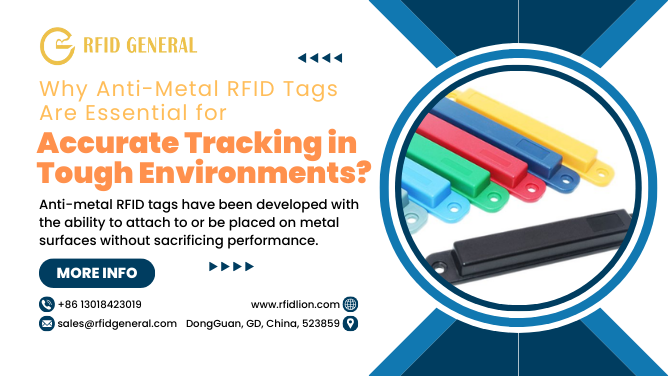
Anti-metal RFID tags have been developed with the ability to attach to or be placed on metal surfaces without sacrificing performance. This makes them a game-changer in industries that deal with metal-heavy environments, such as industrial manufacturing, automotive, logistics, and more. As the demand for real-time tracking and monitoring continues to rise, Anti-Metal RFID tags are becoming essential for ensuring accurate data collection and operational efficiency.
Understanding Anti-Metal RFID Tags: How Do They Work?
Traditional RFID tags typically struggle in environments with metal surfaces because metals can interfere with the radio waves used for communication between the RFID tag and the reader. This interference can weaken or distort the signal, resulting in poor tag performance or failure to read.
Anti-Metal RFID tags are specifically engineered to overcome this limitation. They are designed with a special layer or material that minimizes the interference caused by metal surfaces. These tags incorporate advanced technology, such as shielding or embedded antennas that help the RFID signal propagate without being obstructed by metal. This makes them perfect for tracking items stored on metal pallets, in metal containers, or even on machinery.
Unlike standard RFID tags, which might be rendered ineffective when placed on or near metal, Anti-Metal RFID tags maintain their functionality in such environments. This is why they are a crucial tool for businesses in industries where metal plays a central role.
Key Benefits of Anti-Metal RFID Tags
The introduction of Anti-Metal RFID tags has provided a significant leap forward in asset tracking and management. Some of the key benefits include:
- Accurate Tracking in Metal-Dense Environments: As their name suggests, Anti-Metal RFID tags are built to work efficiently on metal surfaces. They can be applied to assets or inventory stored on metal racks, containers, or even machinery, allowing for real-time tracking without worrying about signal disruption from the metal.
- Enhanced Durability: These RFID tags are often designed to be more robust than standard tags. They are built to withstand harsh conditions, including extreme temperatures, vibrations, moisture, and corrosive environments. This makes them ideal for use in industries such as automotive, manufacturing, and heavy equipment, where equipment and assets are exposed to wear and tear.
- Improved Efficiency in Asset Management: One of the most significant advantages of using Anti-Metal RFID tags is the increase in efficiency. With accurate, real-time tracking, businesses can monitor the location and status of their assets at all times, leading to better resource management, reduced downtime, and more informed decision-making.
- Longer Range and Readability: Thanks to their specialized design, Anti-Metal RFID tags have a more extended read range compared to traditional RFID tags placed on metal. This extended range allows for faster and more efficient scanning, which is particularly useful in large warehouses or distribution centers.
- Cost Savings: Although the initial cost of Anti-Metal RFID tags may be higher than traditional tags, their ability to improve tracking accuracy, reduce errors, and optimize processes can lead to significant long-term savings. The reduced need for manual inventory checks and fewer misplaced assets can offset the initial investment.
- Adaptability to Tough Environments: Whether you're dealing with high-pressure environments, extreme temperatures, or corrosive chemicals, Anti-Metal RFID tags are designed to withstand it all. This adaptability makes them a versatile solution for industries that require a rugged tracking solution.
Applications of Anti-Metal RFID Tags
Given their durability and effectiveness in challenging conditions, Anti-Metal RFID tags are increasingly used in a variety of industries:
- Manufacturing and Production: In industries like automotive or heavy equipment manufacturing, machinery and inventory are often stored on metal surfaces or inside metal containers. Anti-metal RFID tags help monitor these assets, ensuring they are always accounted for, reducing the chances of misplaced tools or components.
- Logistics and Supply Chain: The supply chain and logistics industries benefit from these tags, especially when dealing with metal crates, shipping containers, and equipment. The ability to accurately track the movement of goods and containers—no matter how metal-laden the environment—helps reduce errors, improve delivery times, and enhance overall efficiency.
- Oil and Gas Industry: The oil and gas sector relies on rugged equipment and tools that are exposed to extreme conditions. Anti-Metal RFID tags offer a way to track expensive machinery, parts, and assets on metal surfaces in these challenging environments. Additionally, they ensure compliance with safety protocols and regulatory standards.
- Automotive Industry: In automotive production, many components are stored on metal racks or are themselves made of metal. Anti-Metal RFID tags enable manufacturers to monitor parts throughout the assembly process, ensuring everything is in place and preventing costly errors or delays.
- Aerospace and Aviation: Aerospace parts and tools are often handled in metal-rich environments, such as maintenance areas or aircraft hangars. Anti-Metal RFID tags are used to ensure that critical parts are tracked and can be accounted for at all times, improving maintenance efficiency and reducing the risk of misplaced parts.
Overcoming Common Challenges with Anti-Metal RFID Tags
While Anti-Metal RFID tags offer numerous benefits, businesses need to consider a few factors to ensure optimal performance:
- Cost Considerations: The technology behind Anti-Metal RFID tags is more advanced than traditional RFID solutions, and as a result, these tags can be more expensive. However, the long-term benefits, such as reduced loss, improved inventory management, and operational efficiency, typically outweigh the initial investment.
- Tag Placement: Proper placement of Anti-Metal RFID tags is essential to ensure optimal performance. These tags need to be positioned in a way that minimizes interference from metal surfaces. Proper training and guidance on tag placement can help businesses avoid potential pitfalls.
- Integration with Existing Systems: For companies already using traditional RFID systems, integrating Anti-Metal RFID tags into existing infrastructure may require additional considerations. It’s essential to ensure that the existing RFID readers, software, and databases are compatible with these specialized tags.
- Environmental Considerations: Although Anti-Metal RFID tags are built to withstand harsh environments, businesses must still assess the specific conditions under which these tags will be used. Extreme temperatures, exposure to chemicals, or other environmental factors could affect tag performance. It's crucial to select tags that are rated for the conditions they'll face.
The Future of Anti-Metal RFID Tags
The future of Anti-Metal RFID tags is bright, as industries continue to adopt RFID technology for more efficient operations. As RFID technology evolves, it’s expected that these tags will become even more durable, cost-effective, and integrated with other digital tools. For example, combining RFID with IoT (Internet of Things) and data analytics will allow businesses to gain deeper insights into asset performance and optimize their operations even further.
The increased demand for real-time tracking solutions and the push for greater efficiency will continue to drive the adoption of Anti-Metal RFID tags, especially as industries become more reliant on automation and data-driven decision-making.
Anti-Metal RFID tags are essential for accurate tracking in environments where metal is prevalent, such as manufacturing, logistics, automotive, and beyond. By providing enhanced durability, long-range readability, and seamless integration with metal surfaces, these tags offer businesses a powerful tool to improve asset management and operational efficiency.
As industries continue to face challenges posed by tough environments, the adoption of Anti-Metal RFID tags will only increase, unlocking new levels of accuracy, productivity, and safety.
Frequently Asked Questions
1. What is the main difference between regular RFID tags and Anti-Metal RFID tags?
The main difference between regular RFID tags and Anti-Metal RFID tags lies in their ability to work on metal surfaces. Regular RFID tags typically struggle to function when placed on metal, as metal interferes with the radio frequency signals. Anti-Metal RFID tags, however, are specifically designed with materials and shielding that minimize this interference, allowing them to perform reliably even on metal surfaces. This makes them ideal for tracking assets and inventory in environments where metal is prevalent, such as factories, warehouses, and industrial settings.
2. Can Anti-Metal RFID tags work in extreme temperatures or harsh environments?
Yes, Anti-Metal RFID tags are designed to withstand challenging environments, including extreme temperatures, vibrations, moisture, and exposure to chemicals. They are built for durability, making them suitable for industries like automotive, manufacturing, oil and gas, and aerospace, where tough conditions are common. However, it's important to choose tags that are specifically rated for the environmental conditions in which they will be used.
3. How can Anti-Metal RFID tags improve asset management in warehouses?
In warehouses, managing inventory on metal racks, pallets, or containers can be challenging with regular RFID tags. By using Anti-Metal RFID tags, businesses can track assets more accurately, even when stored on metal surfaces. This improves asset visibility, reduces loss, and minimizes the time spent manually locating items. Real-time tracking with Anti-Metal RFID tags enhances efficiency, ensuring that assets are where they need to be when they need to be there, ultimately optimizing warehouse operations.
4. Are Anti-Metal RFID tags cost-effective in the long term?
While Anti-Metal RFID tags may have a higher initial cost compared to regular RFID tags, they offer significant cost savings over time. Their ability to withstand harsh environments, improve tracking accuracy, and reduce errors or losses means businesses can optimize their processes, reduce downtime, and avoid costly mistakes. Additionally, the durability of these tags reduces the need for frequent replacements, making them a worthwhile investment in the long run.
5. How do I integrate Anti-Metal RFID tags into my existing RFID system?
Integrating Anti-Metal RFID tags into an existing RFID system typically involves ensuring that your current RFID readers and software are compatible with these specialized tags. Many modern RFID systems are flexible and can accommodate different types of tags. However, businesses should consult with RFID experts or service providers to ensure proper installation and setup. Proper tag placement is also crucial to maximize the effectiveness of Anti-Metal RFID tags, as the position can impact their performance.
When designing an RFID system – a few components typically come to mind, including RFID hardware and software.
For hardware, typically RFID Readers, RFID Antennas, & RFID Tags are selected based on the respective use case.
In regards to an RFID tag, various terminologies are often used including RFID Inlays, RFID Labels & RFID Tags, but what’s the difference?
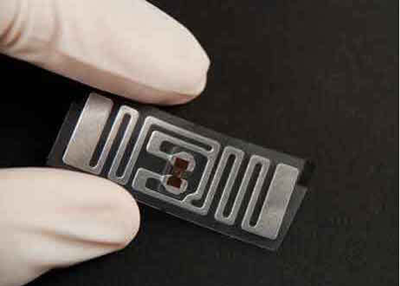
If we look the components of an RFID Tag, there are typically the following pieces:
RFID Chip (or Integrated Circuit): Responsible data storage as well as handling processing logic based on the respective protocol.
Tag Antenna: Responsible for receiving and transmitting the signal from the interrogator (AKA RFID Reader).