

Introduction to Aerial Drone Photography: Capturing the World from Above
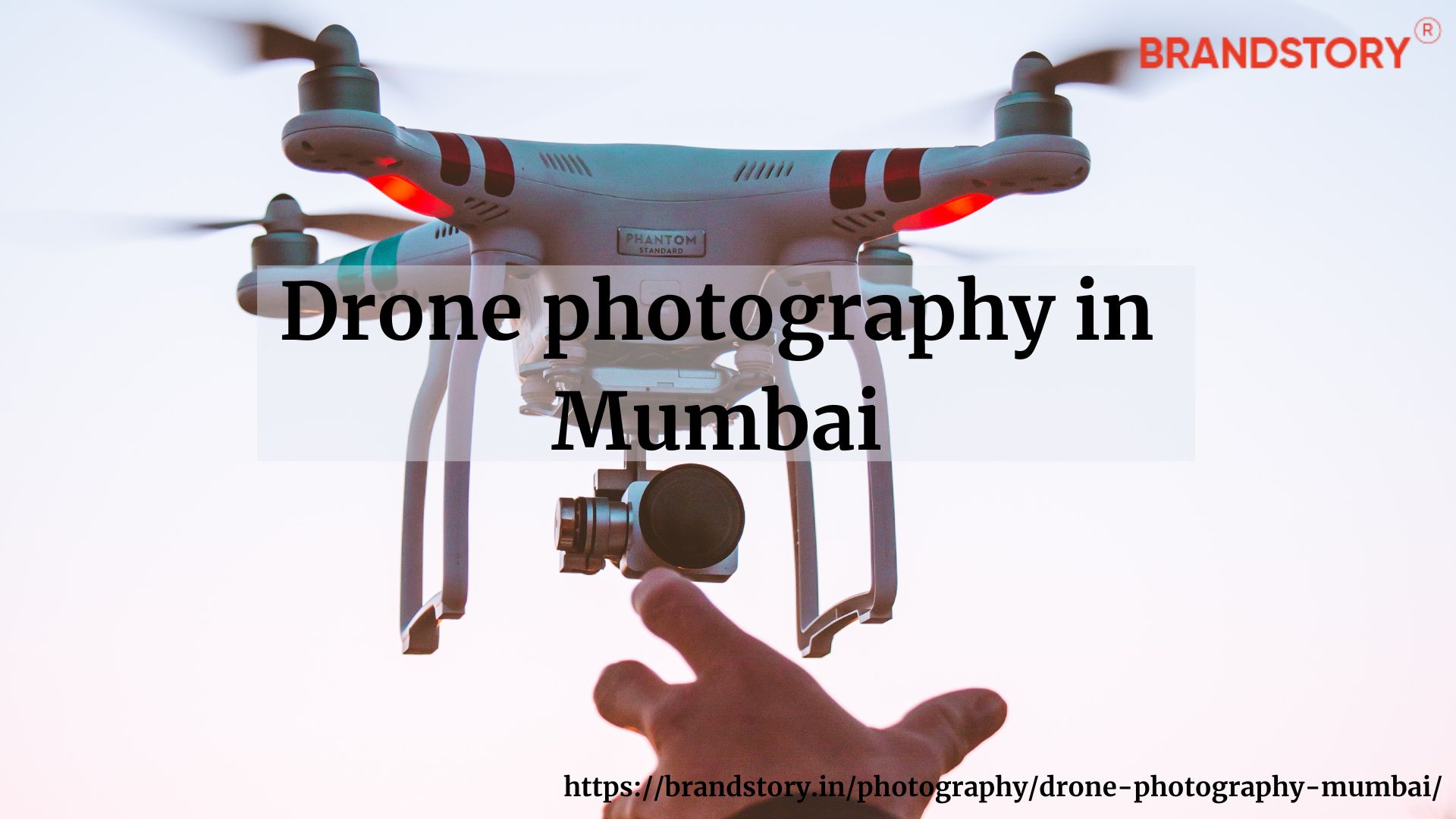
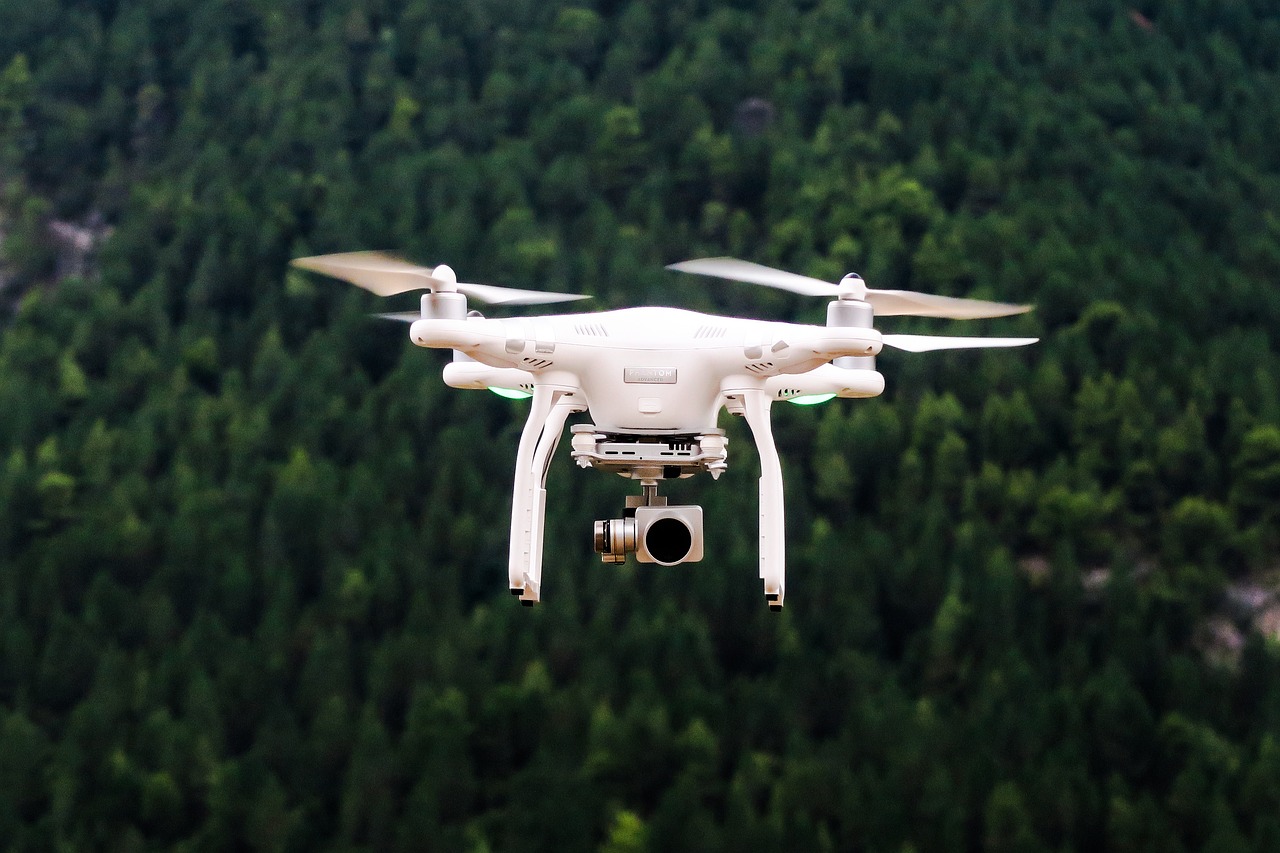
In recent years, aerial drone photography has revolutionized the way we capture the world from above. This innovative technology has opened up new perspectives, allowing photographers to explore landscapes, architecture, and events from unique vantage points. Whether you're a hobbyist looking to enhance your photography skills or a professional aiming to expand your portfolio, mastering the art of aerial drone photography can be a rewarding journey. The ability to capture stunning visuals from the sky offers endless creative possibilities, transforming ordinary scenes into extraordinary works of art.
The Evolution of Drone Technology: From Military Origins to Creative Expression
The journey of drone technology from its military origins to a tool for creative expression is nothing short of remarkable. Initially developed for reconnaissance and surveillance, drones have now become accessible to the general public, equipped with high-resolution cameras and advanced flight capabilities. This evolution has democratized aerial photography, making it possible for anyone with a passion for photography to capture breathtaking images from the sky. The advancements in drone technology continue to push the boundaries of what is possible, offering photographers new tools to express their creativity.
Understanding Drone Regulations and Safety: Navigating the Legal Landscape
Before taking to the skies, it is crucial to understand the regulations and safety guidelines governing drone use. Different countries have specific rules regarding where and how drones can be operated, often requiring pilots to obtain licenses or permits. Ensuring compliance with these regulations not only keeps you within the law but also guarantees the safety of those around you. Additionally, understanding the basics of drone maintenance and pre-flight checks is essential to prevent accidents and ensure a smooth flying experience. As a responsible drone operator, it is your duty to stay informed about the latest regulations and best practices for safe flying.
Selecting the Right Drone for Photography: Finding the Perfect Fit
Choosing the right drone for your photography needs can be a daunting task given the plethora of options available in the market. Factors such as camera quality, flight time, range, and ease of use should be considered when making your decision. Entry-level drones offer a great starting point for beginners, while more advanced models provide professional photographers with the tools needed to capture high-quality aerial imagery. Investing in a drone that aligns with your skill level and photography goals is key to achieving the best results. Consider your budget, desired features, and intended use to find the perfect drone that meets your needs.
Mastering Drone Controls and Flight Techniques: Building Confidence in the Skies
Once you have your drone, mastering its controls and flight techniques is essential for capturing stunning aerial photographs. Familiarizing yourself with the remote control, understanding flight modes, and practicing maneuvers in open spaces can help build confidence and improve your piloting skills. Learning how to maneuver the drone smoothly and steadily is crucial for capturing sharp images and videos, especially in challenging conditions such as strong winds or low light. By dedicating time to practice and honing your skills, you can become a proficient drone pilot capable of capturing breathtaking aerial shots.
Composition and Lighting in Aerial Photography: Crafting Visual Masterpieces
Composition and lighting play a significant role in creating compelling aerial photographs. Unlike traditional photography, aerial shots offer a unique perspective that can transform ordinary scenes into extraordinary visuals. Understanding the principles of composition, such as the rule of thirds, leading lines, and symmetry, can help you create balanced and visually appealing images. Additionally, the quality of light can dramatically affect the mood and impact of your photographs. Shooting during the golden hours of dawn and dusk often results in stunning images with soft, warm tones. By mastering the art of composition and lighting, you can elevate your aerial photography to new heights.
Post-Processing Techniques for Aerial Images: Enhancing Your Visual Storytelling
Post-processing is an integral part of aerial drone photography, allowing photographers to enhance and refine their images. Software such as Adobe Lightroom and Photoshop offer a range of tools for adjusting exposure, contrast, color balance, and sharpness. Learning how to effectively use these tools can elevate your aerial photographs, bringing out details and colors that may not have been visible in the original capture. Additionally, techniques such as HDR (High Dynamic Range) imaging can help in capturing scenes with high contrast, ensuring that both highlights and shadows are well-exposed. By mastering post-processing techniques, you can enhance your visual storytelling and create captivating images.
Building a Portfolio and Sharing Your Work: Showcasing Your Talent
As you hone your skills in aerial drone photography, building a portfolio of your best work is essential for showcasing your talent and attracting potential clients or collaborators. Curating a collection of images that highlight your unique style and perspective can set you apart in a competitive market. Sharing your work on social media platforms, photography forums, and online galleries can also help you connect with a wider audience and receive valuable feedback from fellow photographers. By actively promoting your work, you can establish yourself as a skilled aerial photographer and open doors to exciting opportunities.
Joining the Aerial Photography Community: Connecting with Like-Minded Enthusiasts
One of the most rewarding aspects of pursuing aerial drone photography is becoming part of a vibrant and supportive community. Engaging with other drone enthusiasts, participating in workshops and online courses, and attending photography meetups can provide valuable learning opportunities and foster a sense of camaraderie. Sharing experiences, tips, and insights with like-minded individuals can inspire creativity and help you stay motivated on your photographic journey. By actively participating in the aerial photography community, you can build lasting connections and gain valuable knowledge from experienced photographers.
Exploring Career Opportunities in Aerial Photography: Turning Passion into Profession
The rise of aerial drone photography has created numerous career opportunities across various industries. From real estate and construction to film and tourism, the demand for skilled aerial photographers is growing. Understanding the specific requirements and expectations of different sectors can help you tailor your portfolio and approach potential clients with confidence. Whether you aspire to work as a freelance photographer or join a creative agency, mastering the art of aerial drone photography can open doors to exciting and lucrative career paths. By leveraging your skills and expertise, you can turn your passion for aerial photography into a fulfilling profession.
Conclusion: The Future of Aerial Drone Photography and Its Endless Possibilities
As technology continues to advance, the future of aerial drone photography holds endless possibilities. Innovations in camera quality, flight stability, and autonomous flying capabilities promise to further enhance the creative potential of drones. For aspiring photographers, staying abreast of these developments and continuously honing their skills will be key to staying ahead in this dynamic field. By embracing the challenges and opportunities that come with aerial photography, you can capture stunning visuals that inspire and captivate audiences worldwide. The sky is truly the limit when it comes to the future of aerial drone photography, and the possibilities are as vast as the horizon.