

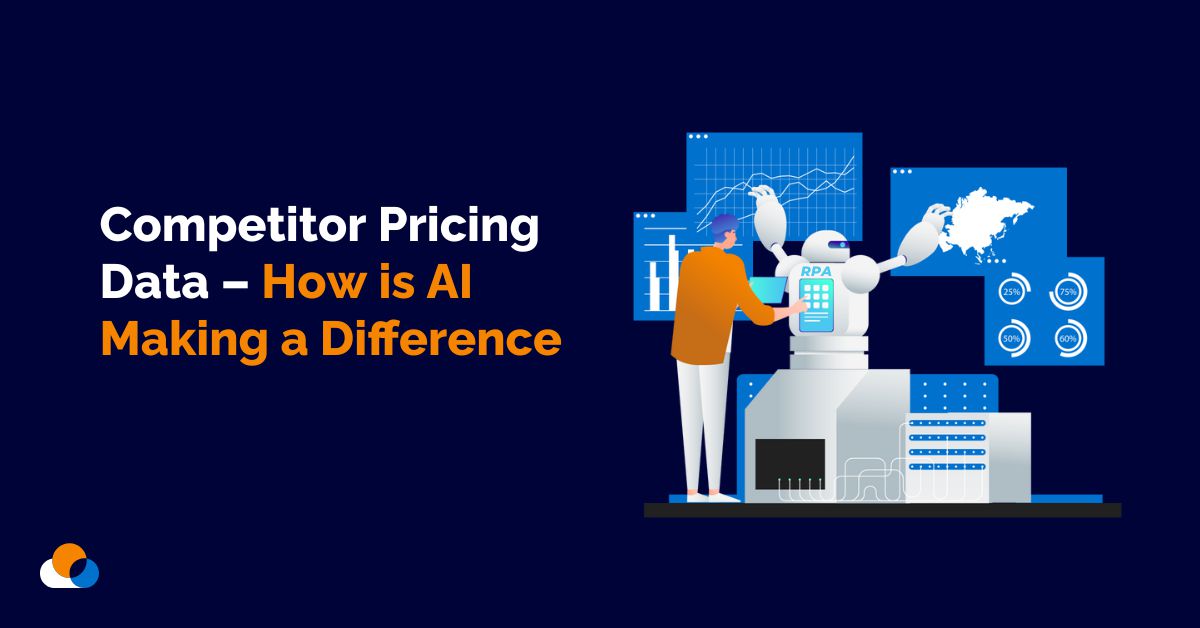
Ever wondered how certain businesses always manage to set the perfect price points? A price that keeps them competitive, profitable, and maintains their brand’s perceived value? The secret lies in analyzing competitor pricing data.
For business owners, understanding competitor pricing helps create strategic pricing models that avoid overpricing or underpricing. Research reveals that analyzing competitor pricing data can increase revenue growth by 20%. With the vast amount of pricing data available, AI and web scraping technologies provide businesses with the edge they need to stay ahead in the market. Let’s explore competitor pricing data, its importance, and how AI simplifies the process.
What is Competitor Pricing Data?
Competitor pricing data refers to the information collected about how much competitors charge for similar products or services. This includes:
- Base and average prices for their offerings.
- Promotional offers that can impact consumer behavior.
- Pricing models such as tiered pricing, subscriptions, or pay-as-you-go structures.
- Market positioning based on quality, value, and price.
Analyzing this data reveals trends, market changes, and opportunities to optimize pricing, helping businesses remain competitive while boosting sales.
Why is Competitor Pricing Data Crucial?
1. Market Relevance: Customers compare products online (up to 83% do so) before deciding on a purchase. Pricing too high can drive them to competitors, while pricing too low can hurt your brand value. Monitoring competitors ensures you remain relevant and competitive.
2. Maximizing Profitability: Tracking competitor pricing enables businesses to adjust prices dynamically, offering discounts or value-added bundles without compromising profit margins.
3. Attracting Customers: Competitive pricing based on data draws in price-sensitive and value-driven consumers, helping grow your customer base. Moreover, satisfied customers are more likely to return and recommend your business to others.
Benefits of Analyzing Competitor Pricing Data
1. Gaining a Competitive Edge: AI tools provide real-time competitor pricing updates, allowing businesses to make timely adjustments and attract price-sensitive buyers.
2. Protecting Profit Margins: AI-powered tools enable dynamic pricing strategies, safeguarding profits even during competitive price wars. For example, airlines often adjust fares dynamically based on demand and competitor pricing.
3. Data-Driven Decisions: AI tools like WebDataGuru offer accurate competitor pricing data, enabling businesses to make informed decisions that attract and retain customers.
4. Improved Market Share: Analyzing competitor pricing helps businesses identify market gaps and position their products strategically to capture a larger market share.
5. Quick Market Responses: Dynamic pricing strategies powered by AI ensure businesses can respond instantly to changes in competitor pricing and market demand.
How to Gather Competitor Pricing Data with AI
1. Identify Your Competitors: Start by listing direct and indirect competitors offering similar products or alternatives in your market.
2. Use AI-Powered Tools: Adopt tools like WebDataGuru for real-time price monitoring. These tools provide comprehensive pricing data, real-time updates, and actionable insights through user-friendly dashboards.
3. Automate Data Collection: AI tools simplify the process of extracting vast amounts of pricing data, ensuring accuracy and efficiency.
4. Analyze and Optimize: Clean and sort the collected data to identify trends and actionable insights. This helps fine-tune pricing strategies for maximum impact.
5. Implement Dynamic Pricing Strategies: Leverage AI tools to adjust prices dynamically, keeping pace with competitor actions and market demand.
Challenges in Monitoring Competitor Prices
Despite its benefits, competitor pricing analysis comes with challenges:
- Data Overload: Sorting through vast amounts of data can be daunting without AI tools.
- Market Volatility: Prices change rapidly, necessitating continuous monitoring.
- Legal Compliance: Ensure your data collection practices comply with relevant laws to avoid legal issues.
The Future of Competitor Pricing Analysis
Advancements in AI and machine learning promise even greater accuracy in predicting market trends. Tools like WebDataGuru utilize predictive analytics to anticipate consumer behavior, enabling businesses to make proactive pricing decisions.
Final Thoughts
Competitor pricing analysis is crucial for businesses seeking to thrive in competitive markets. With AI-driven tools like WebDataGuru, you can gather accurate data, optimize your pricing strategies, and maintain a competitive edge effortlessly.
Don’t let your competitors outshine you. Start monitoring their prices today with WebDataGuru. Book a demo and discover how real-time price intelligence can transform your business success!