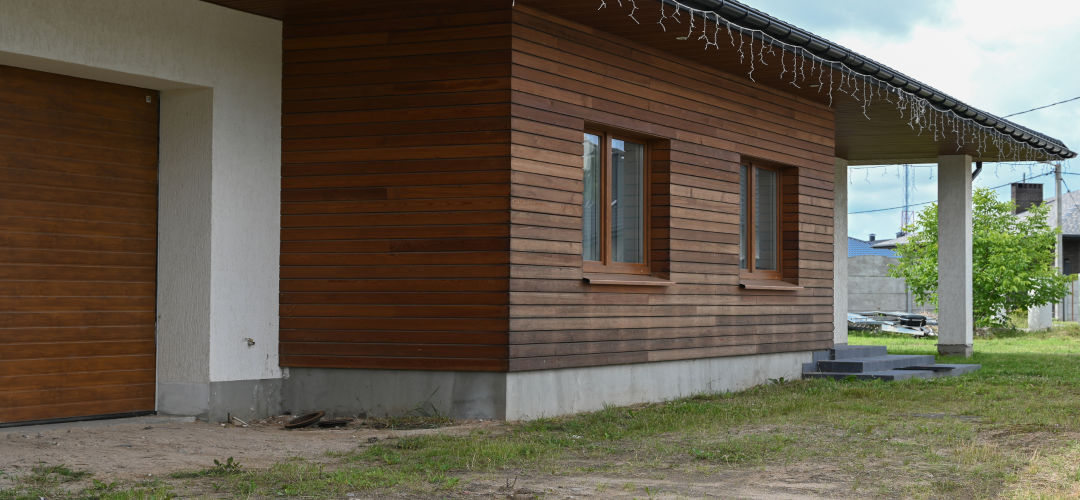
PVC exterior wall panels have become a popular choice in Australia for enhancing the aesthetics and functionality of homes. These external cladding panels offer a perfect combination of durability, cost-effectiveness, and low maintenance, making them an excellent option for Australian homeowners. However, with so many options available in the market, selecting the right PVC panels can feel overwhelming. This article explores everything you need to know to make an informed decision.
Understanding PVC Exterior Wall Panels
PVC (Polyvinyl Chloride) panels are lightweight, water-resistant, and versatile, making them ideal for external cladding. They come in various colors, textures, and designs, providing a perfect opportunity to upgrade the look of your home. PVC panels also offer long-term protection against weather elements such as rain, heat, and dust.
Unlike traditional materials such as stone or wood, PVC panels require minimal maintenance, making them particularly appealing for busy urban lifestyles in Australia. With their eco-friendly and recyclable options, they are also an environmentally conscious choice.
Factors to Consider When Choosing PVC Exterior Wall Panels
1. Climate Suitability
Australia's diverse weather conditions play a crucial role in selecting the right panels. If you live in a humid or coastal area, opt for water-resistant and anti-mold panels. For hot climates, UV-resistant panels are essential to prevent fading and cracking.
2. Aesthetic Appeal
PVC panels come in a range of designs, from woodgrain finishes to stone textures. Choose a style that complements the architectural theme of your home. For a modern look, opt for smooth finishes, while textured designs are perfect for a more rustic or traditional vibe.
3. Quality and Durability
Always prioritize quality over cost. High-quality PVC panels last longer and are less prone to warping, cracking, or discoloration. Look for certifications that indicate the panels meet safety and durability standards.
Why Choose PVC Panels for Your Home?
One of the primary reasons PVC panels are gaining popularity is their ability to blend style and functionality. They not only beautify the exterior of your home but also act as a protective shield against environmental damage.
PVC panels are also budget-friendly, offering an economical alternative to expensive materials like natural wood or metal. Additionally, their easy installation process ensures that you save time and labor costs.
Common Mistakes to Avoid When Selecting Panels
Choosing Cheap Panels
While it may be tempting to save money, cheap panels often compromise on quality. Poor-quality panels can deteriorate quickly, leading to higher maintenance costs in the long run.
Ignoring Maintenance Requirements
Although PVC panels are low maintenance, they still require occasional cleaning to retain their appearance and functionality. Ignoring basic upkeep can shorten their lifespan.
Not Considering Installation
Improper installation can lead to issues such as water seepage or misalignment. Always hire skilled professionals to ensure a flawless finish.
PVC Panels vs. Other Cladding Materials
When compared to traditional materials like wood, stone, or metal, PVC panels stand out for their practicality and affordability. While wood offers a natural look, it requires regular maintenance to prevent rot and termite damage. Stone is durable but can be heavy and expensive. PVC panels, on the other hand, offer the best of both worlds—durability and design—without the drawbacks of traditional options.
Steps to Ensure You Make the Right Choice
Final Thoughts
Selecting the best PVC exterior wall panels involves more than just picking a design you like. It requires careful consideration of your home’s climate, architecture, and long-term maintenance needs. With the right choice, external cladding panels can transform your home’s exterior, providing an attractive, durable, and cost-effective solution that stands the test of time.
By following these tips, you’ll not only enhance the curb appeal of your home but also invest in a durable, low-maintenance solution tailored to Australia's diverse weather conditions.