From ancient times to modern days, Travertine stone has been one of the most demanded paving materials across the world. The sophistication and elegance this natural stone brings to any space can make anyone fall in love with its beauty. Most homeowners who have used this stone are proud of their choice. However, there are a few instances where some people notice small gaps forming between the tiles made of Travertine. Though this natural stone is very strong and sturdy, these gaps can quickly lead to bigger problems if left untreated. The tiles can loosen, water can seep in, and the whole surface can start looking like a mess.
If you are among the few people facing this gaping issue, this blog post is for you. We will discuss the causes and solutions for the gaps between the tiles made from this premium natural stone.
Understanding the Natural Wear and Tear of Travertine Stone Tiles
Though Travertine stone tiles are highly durable and strong, sometimes, in very rare cases, natural wear and tear can cause gaps to form between the tiles. This issue is especially prevalent in areas with high foot traffic or in outdoor settings where the tiles are exposed to the elements. Over time, even the most robust materials can experience some degree of erosion or shifting, leading to the formation of these gaps.
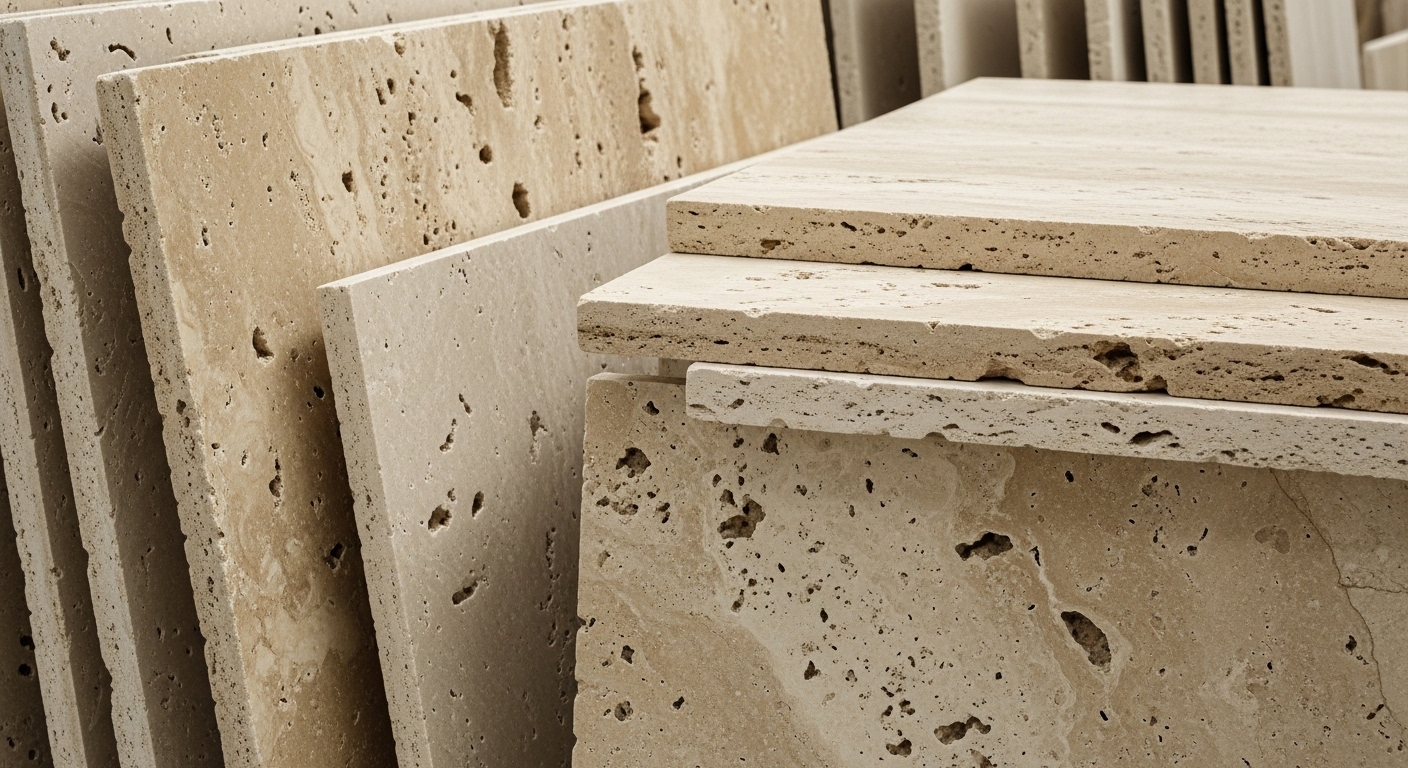
The natural porosity of Travertine also contributes to this issue. While the stone's porous nature is part of what gives it its unique and desirable appearance, it can also make the tiles more susceptible to wear over time. This is why regular maintenance and sealing are crucial to preserving the integrity and appearance of Travertine surfaces.
Impact of Improper Installation on Travertine Stone Tiles
Improper installation is another common cause of gaps between Travertine stone tiles. If the tiles are not laid correctly, they may not adhere properly to the substrate, leading to movement and the eventual formation of gaps. This can be exacerbated by the natural expansion and contraction of the tiles due to temperature changes.
To ensure the longevity and stability of Travertine installations, it is essential to use experienced professionals who understand the specific requirements of this material. Proper preparation of the substrate, the right adhesive, and the correct spacing between tiles are all critical factors in preventing gaps from forming.
Environmental Factors Affecting Travertine Stone Tiles
Environmental factors can also play a significant role in the development of gaps between Travertine tiles. Changes in temperature and humidity can cause the tiles to expand and contract, leading to movement and the potential for gaps to form. This is particularly common in outdoor installations where the tiles are exposed to the elements.
In areas with significant temperature fluctuations, it is important to choose a Travertine variety that is suited to the local climate. Additionally, using a flexible grout can help accommodate the natural movement of the tiles and prevent gaps from forming.
Solutions for Addressing Gaps in Travertine Stone Installations
Fortunately, there are several solutions available for addressing gaps in Travertine stone installations. One of the most effective methods is to re-grout the affected areas, using a high-quality grout that is compatible with Travertine. This can help fill in the gaps and prevent further movement of the tiles.
In cases where the gaps are more severe, it may be necessary to remove and re-install the affected tiles. This should be done by a professional to ensure that the tiles are properly aligned and adhered to the substrate.
Regular maintenance and sealing can also help prevent gaps from forming in the first place. By keeping the tiles clean and properly sealed, you can protect them from the elements and maintain their appearance and integrity over time.
The Timeless Appeal of Travertine Stone
Despite these potential issues, Travertine stone remains a timeless and popular choice for both indoor and outdoor spaces. Its natural beauty and elegance make it a versatile material that can enhance the aesthetic of any environment. Whether used for flooring, countertops, or outdoor paving, Travertine brings a touch of sophistication and luxury to any space.
Its historical significance and enduring appeal make Travertine a material that transcends trends and continues to be a sought-after choice for homeowners and designers alike. With proper care and maintenance, Travertine installations can last for decades, providing a beautiful and durable surface that stands the test of time.
In conclusion, while gaps between Travertine tiles can be a concern, they are not insurmountable. By understanding the causes and implementing the appropriate solutions, you can ensure that your Travertine surfaces remain beautiful and functional for years to come.