





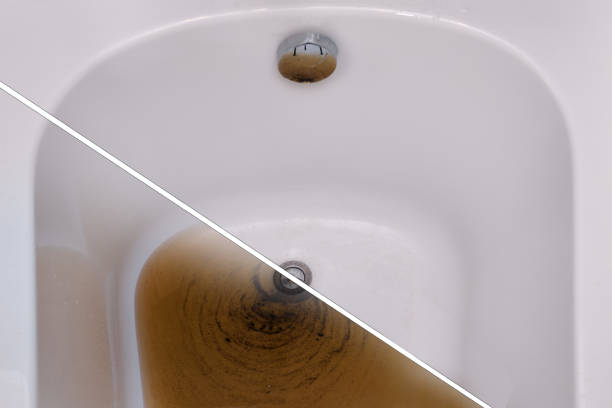
In the intricate web of urban infrastructure, plumbing systems are often taken for granted. However, understanding how sewage travels through these systems is crucial to preventing disasters like sewage backing up into your bathtub. Sewage flows from your home through a series of pipes, eventually reaching the municipal sewer system. This journey is facilitated by gravity and sometimes aided by pumps. Yet, any disruption in this flow can lead to catastrophic consequences. The path of sewage involves a complex network of pipes that are designed to efficiently transport waste away from homes and into treatment facilities. These systems are engineered to handle large volumes of waste, but they are not infallible. A single blockage or break in the system can cause sewage to back up, creating a hazardous situation in your home.
Common Causes of Sewage Backups and Their Impact on Homeowners
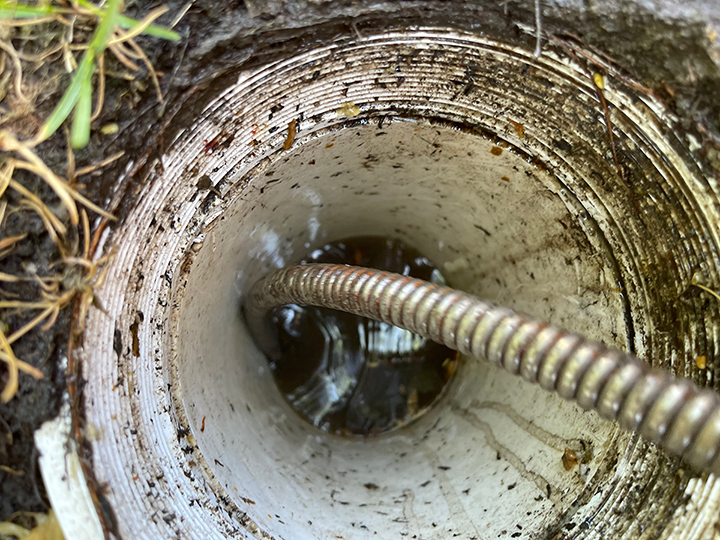
Sewage backups can occur due to a variety of reasons. One common cause is blockages in the pipes, often resulting from the accumulation of debris, grease, or non-flushable items. Tree roots can also infiltrate sewer lines, causing obstructions. Additionally, heavy rainfall can overwhelm sewer systems, leading to backups. Understanding these causes is the first step in preventing sewage from making its way into your home. The impact of sewage backups on homeowners can be severe, leading to costly repairs and potential health hazards. Sewage contains harmful bacteria and pathogens that can pose serious health risks. Moreover, the cleanup process can be extensive and expensive, often requiring professional intervention to restore the affected areas.
The Role of Faulty Plumbing in Sewage Intrusion and Home Safety
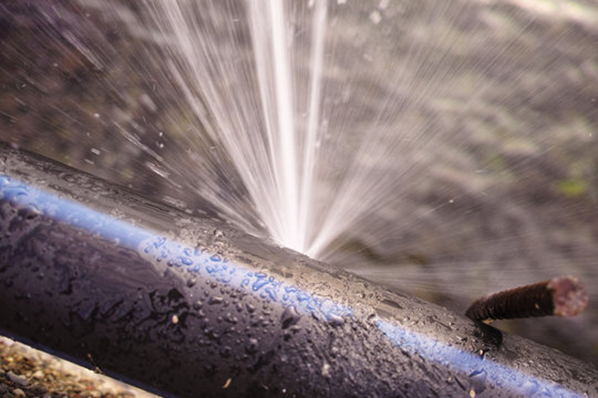
Faulty plumbing is another significant factor that can lead to sewage intrusion. Issues such as broken or misaligned sewer pipes that need repair, improper installation, and lack of maintenance can all contribute to sewage finding its way into your bathtub. Regular inspections and timely repairs are essential to ensure your plumbing system functions efficiently and effectively. Faulty plumbing not only increases the risk of sewage intrusion but also compromises the overall safety and integrity of your home. Leaks and breaks in the plumbing system can lead to water damage, mold growth, and structural issues, all of which can have long-term consequences if not addressed promptly.
Impact of Urban Infrastructure on Sewage Systems and Community Well-being
Urban infrastructure plays a pivotal role in the functioning of sewage systems. As cities expand, the demand on existing sewage systems increases. Aging infrastructure, inadequate capacity, and lack of upgrades can lead to system failures. Municipalities must invest in modernizing sewage systems to accommodate growing populations and prevent plumbing crises. The impact of urban infrastructure on sewage systems extends beyond individual homes, affecting the well-being of entire communities. Inefficient or failing sewage systems can lead to environmental contamination and public health concerns, making it essential for cities to prioritize infrastructure improvements.
Prevention Techniques: Keeping Sewage Out of Your Home and Ensuring Peace of Mind
Prevention is key when it comes to avoiding sewage disasters. Homeowners can take several steps to protect their plumbing systems. Regular maintenance, including cleaning pipes and checking for leaks, is essential. Installing backwater valves can prevent sewage from flowing back into your home. Additionally, being mindful of what goes down your drains can reduce the risk of blockages. Avoid flushing non-degradable items and dispose of grease properly. These prevention techniques not only keep sewage out of your home but also provide peace of mind, knowing that you are taking proactive measures to protect your living environment.
The Importance of Regular Plumbing Inspections for Long-term Home Maintenance
Regular plumbing inspections are crucial in identifying potential issues before they escalate into disasters. Professional plumbers can assess the condition of your pipes, identify any blockages or leaks, and recommend necessary repairs. These inspections are an investment in the longevity and reliability of your plumbing system. By scheduling regular inspections, homeowners can catch small problems before they become major issues, saving time and money in the long run. Regular maintenance also ensures that your plumbing system operates efficiently, reducing the likelihood of unexpected breakdowns and emergencies.
Community and Government Initiatives to Improve Sewage Systems and Protect Public Health
Community involvement and government initiatives are vital in addressing sewage system challenges. Public awareness campaigns can educate residents on proper waste disposal and the importance of maintaining their plumbing systems. Governments must allocate resources to upgrade and expand sewage infrastructure to meet the growing demands of urban populations. These initiatives are essential for protecting public health and ensuring the sustainability of urban environments. By working together, communities and governments can create resilient sewage systems that are capable of withstanding the pressures of modern urban life.
Case Studies: Sewage Disasters and Lessons Learned for Future Prevention
Examining past sewage disasters provides valuable insights into preventing future incidents. Case studies highlight the consequences of neglected infrastructure and inadequate maintenance. Learning from these events can guide homeowners and municipalities in implementing effective strategies to safeguard against sewage intrusions. By analyzing these case studies, communities can identify common pitfalls and develop best practices for maintaining robust sewage systems. These lessons learned are invaluable in preventing future disasters and ensuring the safety and well-being of urban populations.
Empowering Homeowners with Knowledge to Prevent Sewage Disasters
Empowering homeowners with knowledge about their plumbing systems is essential in preventing sewage disasters. Understanding how sewage travels, recognizing potential risks, and knowing how to maintain plumbing systems can help homeowners take proactive measures. Education and awareness are powerful tools in ensuring a safe and functional home environment. By equipping homeowners with the information they need, communities can foster a culture of responsibility and vigilance, reducing the likelihood of sewage-related emergencies.
In Conclusion
From drains to disaster, the journey of sewage is fraught with potential pitfalls. However, with the right knowledge and preventive measures, homeowners can protect themselves from the nightmare of sewage backups. It is a collective responsibility involving individuals, communities, and governments to ensure the integrity of our plumbing systems. By taking action today, we can prevent the disasters of tomorrow. This call to action emphasizes the importance of proactive measures and community collaboration in creating a sewage-safe future for all.


Are you looking for the best sewage backup cleaning in marietta?
Then do not worry, we are providing the best sewage backup cleaning service at an affordable price.
Service Master Restore is always keep in mind all the roles and responsibilities to their services.
For more information you can contact us on 6789091078.

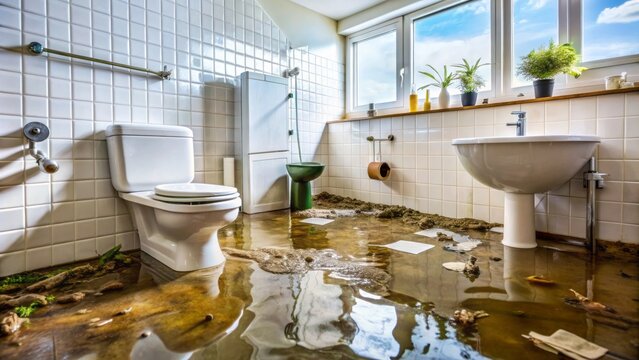
Not only that, but the source of the flooding just happens to be from Toronto sewage backup.
This situation requires immediate attention from professionals in Toronto sewage backup in order to excavate the water and sewage, and disinfect the entire premises with proper Toronto sewage cleanup.
One such reputable Toronto sewage cleanup company is Flooded Basement Toronto, who specialize in restoring properties after such emergencies as flooding, fires, windstorms and sewage back up in Mississauga, Brampton and Toronto areas.
How to Deal With Sewage Back Up in Your Basement
Sewage back up in Mississauga homes may happen for a variety of reasons, which will require sewage clean up in Toronto.
Other times, a lack of maintenance with the septic systems can cause back up when it rains.