Spray bottles are an important tool in households, workplaces & industries. They are used for a variety of purposes, like cleaning, disinfecting, gardening etc. However, over time, spray bottles can accumulate dirt, residue, and bacteria, leading to clogging, contamination, and reduced efficiency. With proper cleaning & maintenance they can be used for a longer time. We will discuss the importance of cleaning spray bottles, detailed step-by-step cleaning instructions, and best practices for maintenance.
Why Cleaning and Maintaining Spray Bottles is Important
Many people assume that once a spray bottle is empty, it can be refilled without cleaning, but this is not a good thing, because residual liquids can react with new solutions or lead to bacterial growth. Here are some key reasons why you should regularly clean and maintain your spray bottles:
1. Prevents Contamination
With time, cleaning solutions, chemicals, or homemade mixtures can leave residues. If not cleaned properly, these residues can mix with new solutions, potentially altering their effectiveness or creating harmful chemical reactions.
2. Increases Longevity
Regular cleaning prevents clogging & corrosion of the nozzle & spray mechanism, which allows your spray bottles to last longer & function efficiently.
3. Ensures Health and Safety
If you are using spray bottles for disinfectants or food-related applications, cleanliness is crucial. Bacteria, mold, or leftover chemicals can pose health risks if not properly removed.
4. Maintains Spray Performance
A clogged nozzle will end up in uneven misting or leaking, which will make the bottle less effective. Cleaning ensures smooth and consistent spray performance.
Step-by-Step Guide to Cleaning Your Spray Bottles
Follow these steps to keep your spray bottles in the best condition.
Step 1: Empty the Bottle
Before cleaning, ensure that the spray bottle is completely empty. If it contains any leftover liquid, dispose of it properly, following any safety guidelines related to the specific solution.
Step 2: Disassemble the Spray Bottle
Spray bottles have detachable parts, including the nozzle, trigger, and tube. If you remove these parts it will be much easier to clean every component thoroughly.
Step 3: Rinse with Warm Water
Fill the bottle with warm water & shake it vigorously. Spray some of the water through the nozzle to flush out any remaining liquid or debris. Repeat this process a couple of times.
Step 4: Wash with Dish Soap
Prepare a solution using warm water and a few drops of mild dish soap. Follow these steps:
Step 5: Disinfect the Bottle
To remove bacteria, mold, or stubborn residues, disinfect the spray bottle using one of the following methods:
Step 6: Rinse Thoroughly
After using any disinfectant, rinse the spray bottle several times with clean water to ensure no residue remains.
Step 7: Air Dry Completely
Place all components of the spray bottle on a clean, dry surface and let them air dry completely before reassembling. Avoid closing the bottle while it is still damp to prevent mold growth.
How to Maintain Spray Bottles for Long-Term Use
To keep your spray bottles in optimal condition, follow these maintenance tips:
1. Store in a Cool, Dry Place
Exposure to heat, sunlight, or extreme humidity can degrade plastic and weaken the spray mechanism. Store bottles in a cool, shaded area.
2. Label Your Bottles Clearly
If you use multiple spray bottles for different solutions, label them to avoid mixing chemicals accidentally. Use waterproof markers or adhesive labels.
3. Regularly Check for Clogs
If you notice that the spray bottle is not working properly, check for clogs. Soak the nozzle and tube in warm vinegar to dissolve any residue buildup.
4. Replace Worn-Out Parts
If the spray mechanism stops working despite cleaning, consider replacing just the nozzle instead of discarding the entire bottle.
5. Avoid Mixing Chemicals
Some chemicals can react dangerously when mixed. Always clean and dry a bottle before switching to a different solution.
When to Replace Your Spray Bottles
Even with proper care, spray bottles eventually wear out. Here are signs that it's time to replace them:
Eco-Friendly Ways to Repurpose Old Spray Bottles
Instead of throwing away old spray bottles, consider repurposing them for other uses:
Conclusion:
Cleaning and maintaining your spray bottles is an easy but essential task to ensure their efficiency and longevity. Whether you use them for cleaning, gardening, or personal care, regular washing and proper storage will keep them in top condition. By following these simple cleaning steps and maintenance tips, you can extend the life of your spray bottles while reducing waste. Additionally, repurposing old spray bottles for different tasks can be a sustainable and eco-friendly practice. Keep your spray bottles clean, functional, and ready to use at all times!
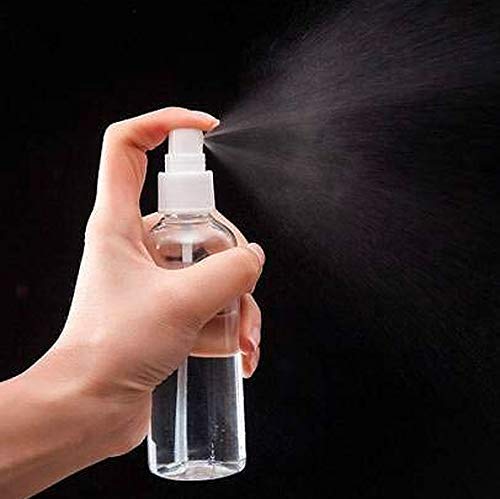
Spray bottles are versatile purchases that can be reused and are durable.
You can use them for storing cleaning solutions, hairspray, watering your plants, or carrying other liquid items.
Spray bottles for cleaning purposes are widely used all over the world and you can even find pocket size spray bottles for hand sanitizing.
Make your home or office surfaces germ-free by using a spray bottle to clean them.
By using them you will clean your home without coming in direct contact with germs and viruses.