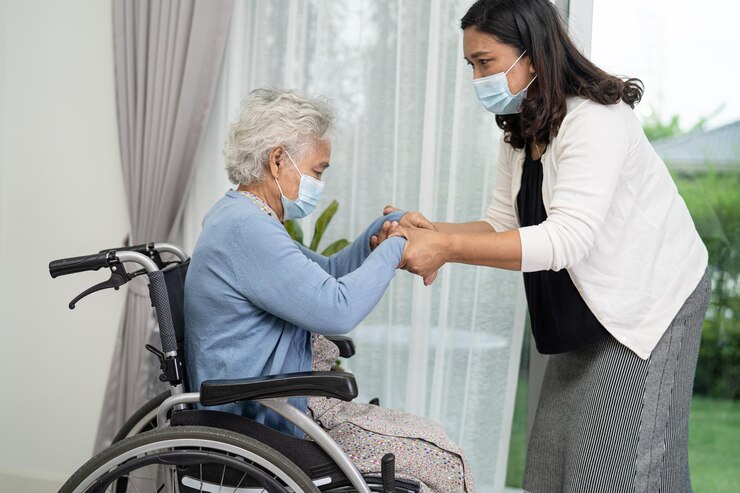


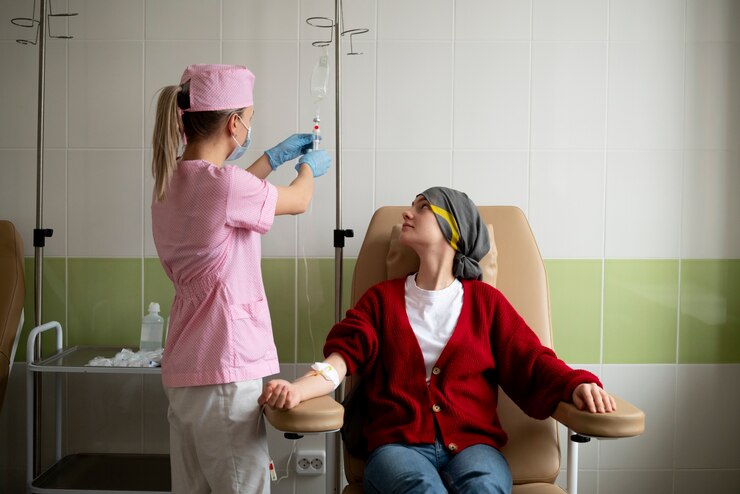
A procedure known as a tracheostomy entails surgically accessing the neck to place an artificial airway into the trachea so that air may enter the lungs. This life-saving procedure enables patients who have difficulties breathing due to any reason, such as chronic lung disease, infections, or strokes, to survive. Tracheostomy care in Kelvin Grove is absolutely vital to properly care for the tracheostomy site to prevent complications and ensure the participant's well-being.
The Role of Nurses in Tracheostomy Care
Nurses are involved in managing tracheostomy patients with various roles, educating the participants, and assisting with emotional support and emergency care. The skills provided by the nurses help the patient recover faster, maintain their quality of life, and prevent infections.
Types of Tracheostomy Tubes
The tubes differ according to the needs of the participant:
- Cuffed Tubes: Cuffed tubes have inflatable cuffs to seal the airway to prevent airflow leakage and protect the lungs from secretions. These tubes are used for ventilated patients.
- Cuffless Tubes: Cuffless tubes are used for patients who can breathe without mechanical support but require an unobstructed airway.
- Fenestrated Tubes: Fenestrated tubes have small holes through which air can pass through the vocal cords, allowing the patient to speak. Used while the patient is being weaned off the tracheostomy.
- Adjustable Flange Tubes: Adjustable flange tubes are custom-designed for patients with unique anatomical needs to provide a secure fit that is comfortable for the patient.
Nursing Responsibilities at a Glance
Initial Care and Monitoring: Nurses from NDIS service providers in Brisbane monitor the tracheostomy site to confirm the tube was properly placed and assess for complications such as bleeding, infection, or displacement. Respiratory assessments are important to ensure airway patency.
Routine Maintenance and Cleaning: Regular maintenance for tracheostomy care in South Brisbane prevents infection and keeps the device functioning.
- Daily Cleaning: Sterile techniques keep the stoma area clean and free of infection.
- Dressing Changes: Keeps the area dry and clean.
- Tube Inspection: Ensures there is no blockage or displacement.
- Tracheostomy Suctioning: Suctioning clears mucus obstructions, thus clearing the airway. It is done gently by nursing staff to minimise discomfort and risk.
Emergency Management: In emergencies, nurses handle:
- Tube Displacement: If dislodged, the tube is recognised and rapidly repositioned.
- Blockage: Cleared of mucus obstruction to restore airflow.
- Infection: Early identification and intervention.
Participant and Family Education: Nurses train participants and families on how to do home tracheostomy care in Kelvin Grove, including:
- Cleaning of the Tracheostomy: Perform proper cleaning methods.
- Suctioning: Keeping the airway clear.
Prepare for emergencies in case the family needs to respond to either dislodgement or blockage.
Psychological and Emotional Support
Concerns of the Participant Addressed: Nurses are supportive of the patient with concerns and maybe with counselling while encouraging patient involvement in his or her care.
Improving Communication: As for verbal communication that is impaired, the nurse will assist with
- Speech Therapy: Work with the speech therapist.
- Communication Tools: Written boards or applications.
- Motivation: Assist the participant in ongoing adjustment towards ways of communicating.
Recap
By providing in-depth tracheostomy care in South Brisbane, nurses promote the general well-being and quality of life among tracheostomy patients.