


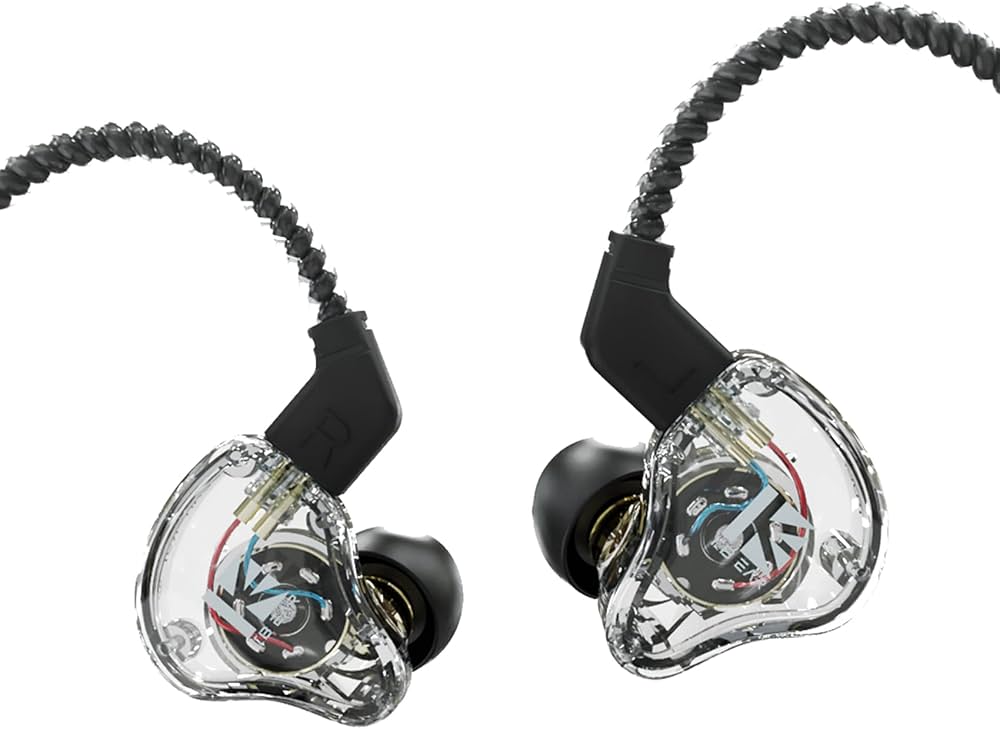
The History and Evolution of In-Ear Monitors
While in-ear monitors have become commonplace today, their origins can be traced back to the 1960s and 70s when musicians first started experimenting with custom molded earpieces. Early versions were crude by today's standards but represented an important step forward from the typical on-stage wedge monitor speakers. Through the 80s and 90s, technology slowly advanced, allowing for better sound isolation and higher quality playback. A major turning point came in the new millennium as digital audio systems replaced analog and customizable silicon shells improved comfort levels drastically. By the 2010s, IEMs had become a standard piece of equipment for most performing musicians.
Advantages of Using In-Ear Monitors on Stage
There are several key benefits that have made In-Ear Monitors (IEMs) so universally popular with performers. Firstly, they provide vastly superior sound isolation compared to traditional wedge monitors. This allows musicians to clearly hear their instruments, vocal, backing tracks and the other components mixed for them without being overwhelmed by ambient stage noise. Secondly, IEMs take up much less physical space on stage than large wedge monitors. This frees up more room for other equipment and artist movement. Portability is also enhanced since IEM systems package into a compact, lightweight setup. Sound quality has also improved tremendously, allowing artists to hear a clear, well-balanced mix replicated through high fidelity miniature speakers. All of these factors combine to give performers unprecedented on-stage control and comfort.
Custom Fitted Monitors Deliver Peak Performance
While universal fit IEMs are convenient, custom molded monitors tailored to an individual's unique ear canal shape deliver the best performance. The silicone material is molded to form a tight compressive seal against the ear ensuring maximum sound isolation and feedback rejection. With no room for sound to leak in or out, the listening experience is far superior. Bass response, clarity and overall frequency reproduction are enhanced. Fit is also far more secure which is vital for musicians engaged in physically performances. Some companies even do impression scans digitally now to create a model of the ear for precise custom shells. For professionals, custom IEMs are really the only option for consistent, reliable monitoring in loud stage environments.
Mixing Consoles and Digital Audio Processing
A key reason IEMs could replace on-stage wedges was the emergence of digital mixing consoles. These provided the processing power to create independent personalized mixes for multiple artists simultaneously. Each monitor mix can be tailored precisely to the needs of that performer through sophisticated parametric EQ, dynamics controls and effects sends. Modern consoles integrate seamlessly with digital audio networks as well, transmitting multiple mixes wirelessly to IEM receiver packs or directly to transmitter packs in custom molded earpieces. Interface software also allows musicians enhanced control over their monitor levels and pan positions right from their in-ear system. This degree of individual control and flexibility has revolutionized how live shows are produced.
Advancing Technologies Continue to Improve IEM Experiences
While the core technology of in-ear monitors remained unchanged for many years, recent times have seen renewed innovation enhance the user experience further. Rechargeable high capacity lithium ion batteries now provide all-day operation from compact, lightweight receiver packs. Bluetooth transmission has made wired connections obsolete for many applications. Hybrid analog/digital drivers in custom shells reproduce a wider frequency response beyond what was possible with early condenser designs. Environmental noise cancellation focuses the listening environment inward for clearer, more immersive playback. Fit and comfort are also areas of focus, with completely wireless earpieces becoming a possibility. As live productions grow ever larger and more complex, in-ear monitor technology continues evolving to serve the exacting s of professional performers. They have undoubtedly revolutionized the live music experience. In - Ear Monitors have become essential equipment for musicians and performers due to the advantages they provide over traditional wedge monitor systems. Superior sound isolation, compact size, portability and customizable mixes delivered through digital audio networking have allowed IEMs to completely replace floor wedges on stage. Custom fitted silicone earpieces in particular take the technology to its highest level through a custom engineered seal within the ear canal. When combined with capabilities of modern mixing consoles, in-ears have fundamentally changed how live musical performances are produced and experienced by artists. Their evolution over decades has established IEMs as the industry standard for professional on-stage monitoring.
Get This Report in Japanese Language - インイヤーモニター(IEMS)市場
Get This Report in Korean Language - 인이어 모니터(IEMS) 시장
About Author:
Priya Pandey is a dynamic and passionate editor with over three years of expertise in content editing and proofreading. Holding a bachelor's degree in biotechnology, Priya has a knack for making the content engaging. Her diverse portfolio includes editing documents across different industries, including food and beverages, information and technology, healthcare, chemical and materials, etc. Priya's meticulous attention to detail and commitment to excellence make her an invaluable asset in the world of content creation and refinement.
(LinkedIn- https://www.linkedin.com/in/priya-pandey-8417a8173/)

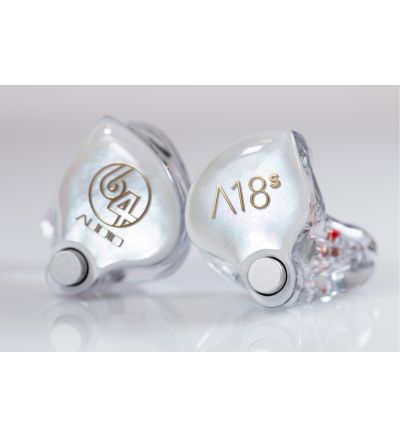
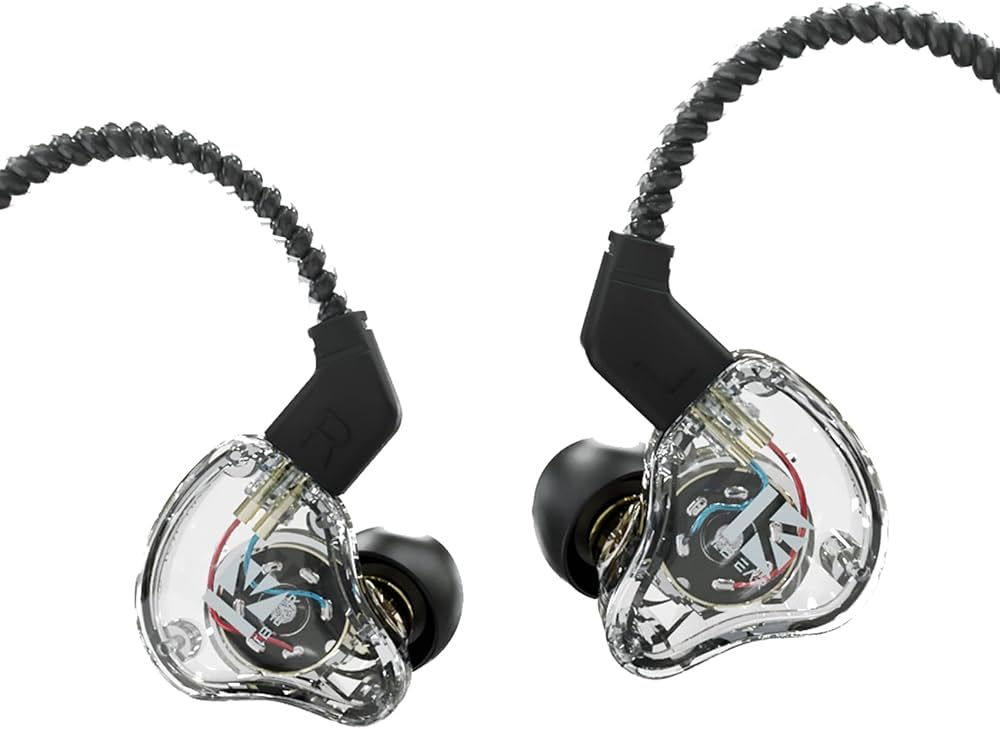

Earphones may also be referred to as in ear headphones due to the fact that each goes inside your ears.
You must be knowledgeable about this earphones since a few more affordable earphones come with all the mp3-players or iPods.
Earbuds are also of distinct kinds; a number of them just sit at the bowls of your own ear, but some go quite deep within the ear fascia.