
Team Bonding Activities: Building Stronger Connections
Team bonding activities are essential for fostering a sense of unity and camaraderie among team members. These activities create an environment where individuals can connect on a personal level, breaking down barriers and encouraging open communication. By participating in team bonding activities, members can develop a deeper understanding of each other's strengths, weaknesses, and working styles, which can significantly enhance collaboration and productivity.
There are various types of team bonding activities that can be implemented, ranging from casual social gatherings to structured team-building exercises. Casual activities such as team lunches, coffee breaks, or after-work outings provide opportunities for team members to interact in a relaxed setting, allowing them to build relationships outside of the formal work environment. On the other hand, structured activities such as workshops, retreats, or team-building games are designed to enhance specific skills such as problem-solving, communication, and leadership.
One popular team bonding activity is the "escape room" experience, where team members must work together to solve puzzles and escape from a locked room within a set time limit. This activity encourages collaboration, critical thinking, and effective communication, as team members must rely on each other's strengths to succeed. Another effective activity is the "trust fall," where team members take turns falling backward into the arms of their colleagues, fostering trust and reliance on one another.
Ultimately, the goal of team bonding activities is to create a positive and supportive work environment where team members feel valued and motivated to contribute their best efforts. By investing time and resources into these activities, organizations can foster a culture of collaboration and teamwork, leading to improved performance and success.
Collaboration Tools: Enhancing Team Efficiency
In today's digital age, collaboration tools have become indispensable for teams looking to enhance their efficiency and productivity. These tools facilitate seamless communication, project management, and information sharing, enabling team members to work together effectively, regardless of their physical location.
One of the most widely used collaboration tools is project management software, such as Asana, Trello, or Monday.com. These platforms allow teams to organize and track tasks, set deadlines, and assign responsibilities, ensuring that everyone is on the same page and working towards common goals. Project management tools also provide visibility into the progress of projects, enabling team leaders to identify potential bottlenecks and address them proactively.
Communication tools such as Slack, Microsoft Teams, or Zoom have revolutionized the way teams interact and collaborate. These platforms offer instant messaging, video conferencing, and file-sharing capabilities, allowing team members to communicate in real-time and collaborate on documents seamlessly. By using these tools, teams can reduce the reliance on lengthy email chains and ensure that important information is easily accessible to all members.
Cloud-based storage solutions like Google Drive or Dropbox are also essential for collaboration, as they provide a centralized location for storing and sharing files. This ensures that team members have access to the most up-to-date versions of documents and can collaborate on them simultaneously, eliminating the need for multiple versions and reducing the risk of errors.
By leveraging collaboration tools, teams can streamline their workflows, improve communication, and enhance overall efficiency. These tools empower team members to work together more effectively, leading to better outcomes and greater success.
Effective Communication Skills: The Foundation of Successful Collaboration
Effective communication skills are the cornerstone of successful collaboration. Without clear and open communication, team members may struggle to understand each other's perspectives, leading to misunderstandings and conflicts. By developing strong communication skills, team members can express their ideas clearly, listen actively, and provide constructive feedback, all of which are essential for effective collaboration.
One key aspect of effective communication is active listening. This involves paying full attention to the speaker, acknowledging their message, and responding thoughtfully. By practicing active listening, team members can ensure that they fully understand each other's viewpoints and foster a culture of respect and empathy.
Another important communication skill is the ability to provide constructive feedback. Constructive feedback involves offering specific, actionable suggestions for improvement, while also recognizing the individual's strengths and contributions. By providing feedback in a positive and supportive manner, team members can help each other grow and develop, leading to improved performance and collaboration.
Non-verbal communication, such as body language and facial expressions, also plays a crucial role in effective communication. Team members should be mindful of their non-verbal cues, as they can convey important messages and impact the overall tone of the conversation. By maintaining eye contact, using open and welcoming gestures, and displaying positive facial expressions, team members can create a more inclusive and supportive communication environment.
Ultimately, effective communication skills are essential for building trust, resolving conflicts, and fostering a collaborative team culture. By investing in communication training and encouraging open dialogue, organizations can enhance their team's ability to work together effectively and achieve their goals.
Integrating Technology and Face-to-Face Interactions
While technology plays a crucial role in facilitating collaboration, face-to-face interactions remain an important component of effective teamwork. The key is to strike a balance between leveraging technology and maintaining personal connections, ensuring that team members can collaborate effectively in both virtual and in-person settings.
Face-to-face interactions provide opportunities for team members to build rapport, establish trust, and develop a deeper understanding of each other's communication styles and preferences. These interactions can take place during team meetings, workshops, or social gatherings, allowing team members to connect on a personal level and strengthen their relationships.
To integrate technology and face-to-face interactions effectively, organizations can adopt a hybrid approach, combining virtual collaboration tools with in-person meetings and activities. For example, teams can use video conferencing platforms for regular check-ins and updates, while also scheduling periodic in-person meetings to discuss complex issues or brainstorm new ideas.
By adopting a hybrid approach, teams can benefit from the convenience and efficiency of technology, while also reaping the benefits of personal interactions. This approach not only enhances collaboration but also promotes a more inclusive and flexible work environment, accommodating the diverse needs and preferences of team members.
Conclusion: Building a Collaborative Team Culture
In conclusion, fostering effective team collaboration requires a multifaceted approach that includes team bonding activities, collaboration tools, and effective communication skills. By investing in these strategies, organizations can create a positive and supportive work environment where team members feel valued, motivated, and empowered to contribute their best efforts.
Ultimately, the success of any team depends on its ability to work together effectively, leveraging the diverse skills and perspectives of its members. By building a collaborative team culture, organizations can enhance their performance, drive innovation, and achieve their goals, leading to long-term success and growth.

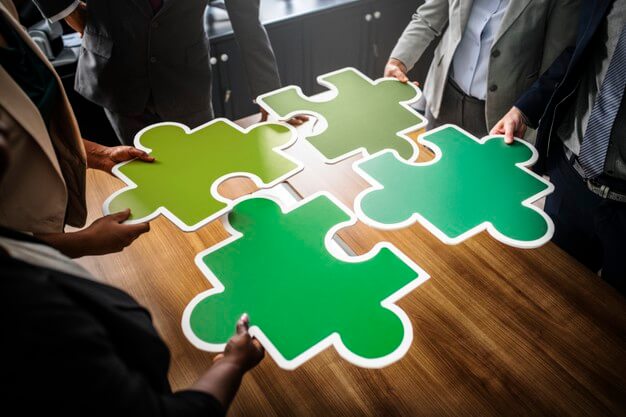
Projects run on team collaboration.
Any gap in collaboration creates chaos, delays & brings projects to a total halt.
Collaboration is all about meaningful information exchange in a timely manner, transparency within the team and clarity around the team’s roles and responsibilitiesWhy do teams need collaboration?Team collaboration creates a strong relationship between team members.
Collaboration creates a well oiled and self-sufficient mechanism in place leading to faster execution.
Teams know whom to reach for information, expert guidance and issue resolution.Read the full article at Orangescrum blog