When it comes to creating a comfortable and energy-efficient home, wall insulation plays a crucial role. Proper insulation helps maintain indoor temperatures, reduces energy bills, and enhances overall comfort. In this guide, we’ll explore everything you need to know about wall insulation, including its benefits, types, installation process, and tips for choosing the right insulation for your needs.
Why Wall Insulation Matters
Wall insulation acts as a barrier that reduces heat transfer between the inside and outside of a building. This means that in the winter, insulation keeps warm air inside, while in the summer, it prevents excessive heat from entering. The result? A more consistent indoor temperature and lower heating and cooling costs.
Other key benefits of wall insulation include:
Types of Wall Insulation
There are several types of wall insulation, each with unique benefits:
1. Fiberglass Insulation
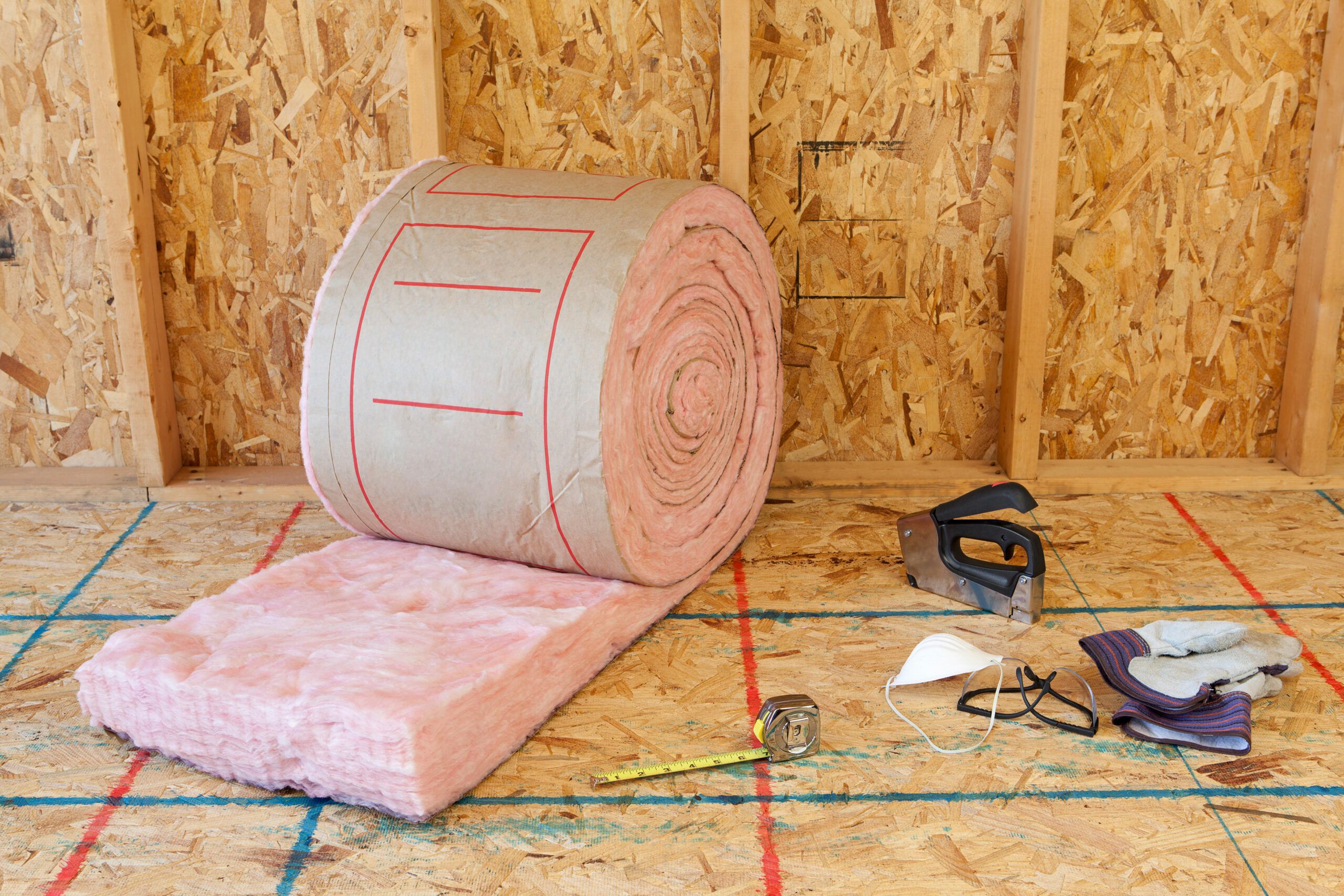
Fiberglass insulation is one of the most common options. It comes in batts or rolls and is easy to install between wall studs. This type is effective, affordable, and provides good thermal resistance.
2. Spray Foam Insulation
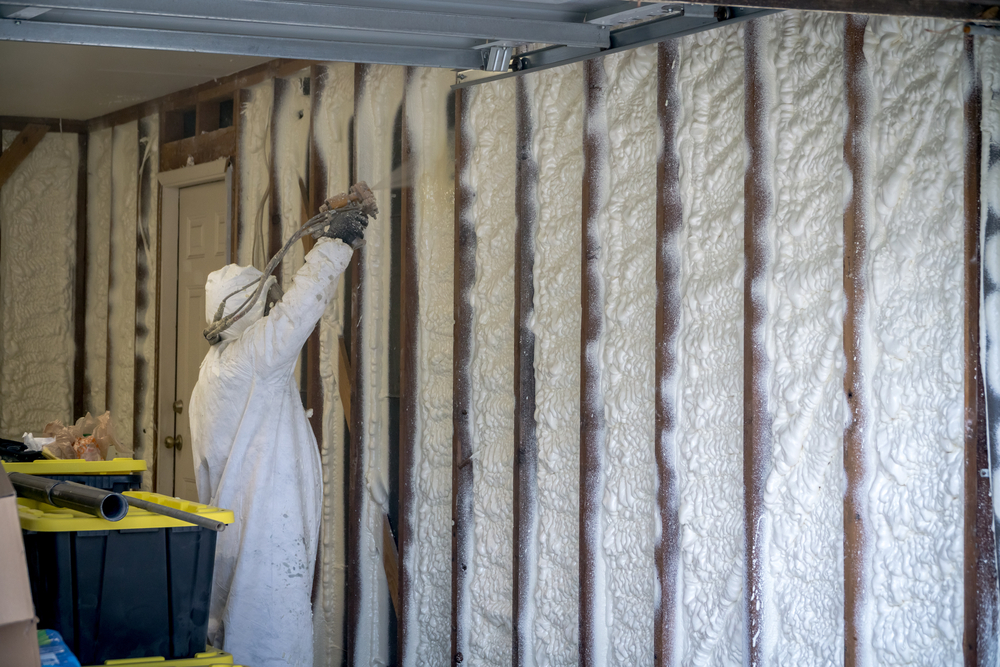
Spray foam insulation expands upon application, filling gaps and creating an airtight seal. It is highly efficient and works well in irregularly shaped spaces, offering excellent energy savings.
3. Rigid Foam Board Insulation
Rigid foam boards are durable and provide high insulation values. They are often used for exterior walls and basement insulation due to their moisture-resistant properties.
4. Cellulose Insulation
Made from recycled paper materials, cellulose insulation is an eco-friendly option. It is typically blown into walls and provides good thermal performance while also being fire-resistant.
5. Mineral Wool Insulation
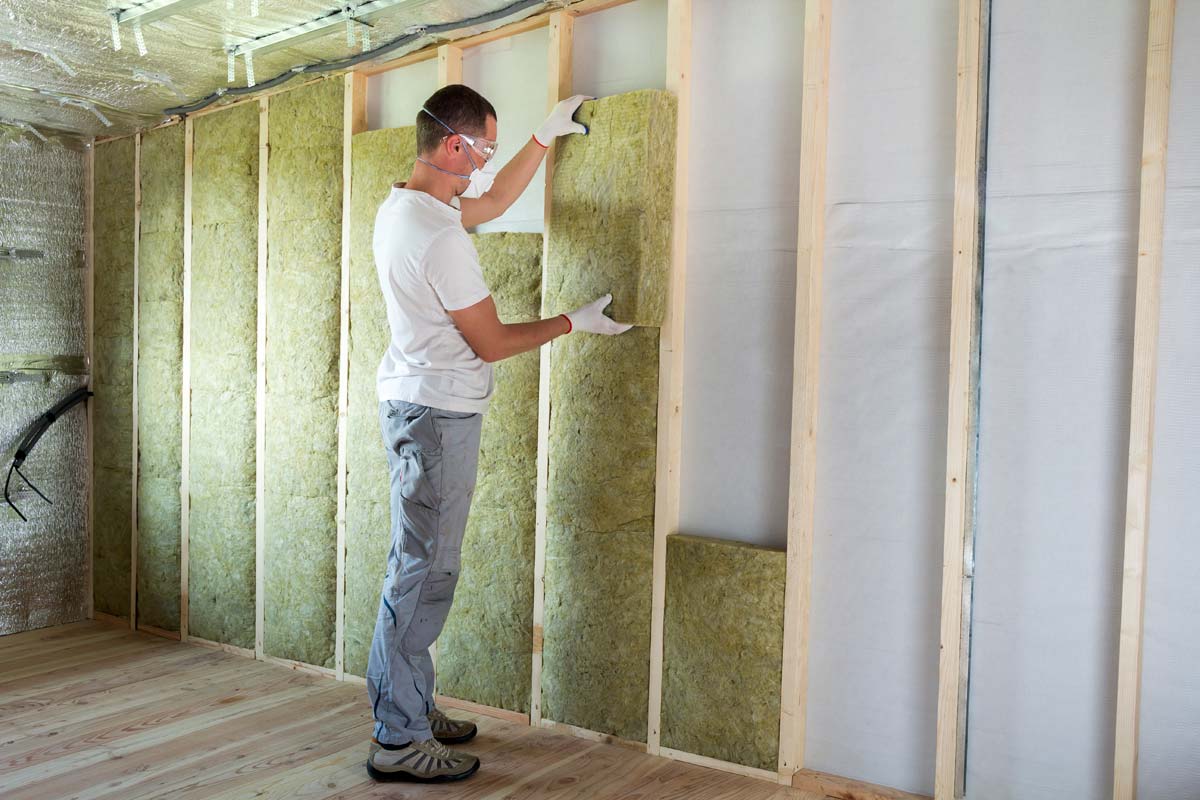
This type of insulation is highly fire-resistant and offers excellent soundproofing qualities. It is often used in commercial buildings but is also great for residential applications.
How Wall Insulation is Installed
The installation process varies depending on the type of insulation and whether the home is under construction or already built. Here’s an overview:
For New Construction:
For Existing Walls:
Choosing the Right Wall Insulation
When selecting insulation, consider the following factors:
Final Thoughts
Wall insulation is an essential component of a comfortable and energy-efficient home. Whether you’re building a new house or upgrading an existing one, choosing the right insulation can significantly impact your comfort and savings. By understanding the different types, installation methods, and key factors to consider, you can make an informed decision that benefits both your home and the environment.
For expert insulation services, Kent Insulation is here to help. Contact us today to learn more about how we can improve your home’s insulation and energy efficiency!