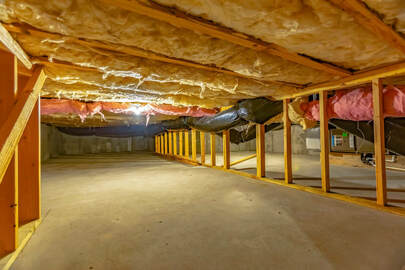
When it comes to home insulation, many homeowners focus on attics and walls while overlooking an essential area—the crawl space. Proper crawl space insulation is key to maintaining a comfortable home, improving energy efficiency, and preventing costly moisture-related issues. In this guide, we will explore the importance of crawl space insulation, the best materials to use, and how it can benefit your home in the long run.
Why Insulate Your Crawl Space?
Crawl spaces often serve as a foundation for homes, but without proper insulation, they can become a source of energy loss, moisture problems, and even mold growth. Here’s why insulating your crawl space is a smart investment:
1. Improved Energy Efficiency
Uninsulated crawl spaces allow cold air to seep into your home during winter and warm air during summer, forcing your HVAC system to work harder. Proper insulation helps maintain a stable indoor temperature, reducing heating and cooling costs.
2. Moisture and Mold Prevention
Crawl spaces are prone to moisture buildup, which can lead to mold and mildew. Insulating and sealing the area reduces moisture infiltration, keeping your home healthier and safer.
3. Better Indoor Air Quality
Air from the crawl space can move up into your living areas. If it’s damp and musty, it can negatively impact indoor air quality. Proper insulation prevents air contamination, ensuring a fresher and healthier home environment.
4. Pest Control
A poorly insulated crawl space can attract pests, such as rodents and insects. Insulation acts as a barrier, helping to keep unwanted critters out of your home.
5. Extended Lifespan of Your Home’s Foundation
Excess moisture can weaken your home's foundation over time. Insulating the crawl space helps protect the structural integrity of your property, preventing costly repairs down the line.
Best Insulation Materials for Crawl Spaces
Choosing the right insulation material is crucial for effective crawl space insulation. Here are some of the most recommended options:
1. Spray Foam Insulation
2. Rigid Foam Board
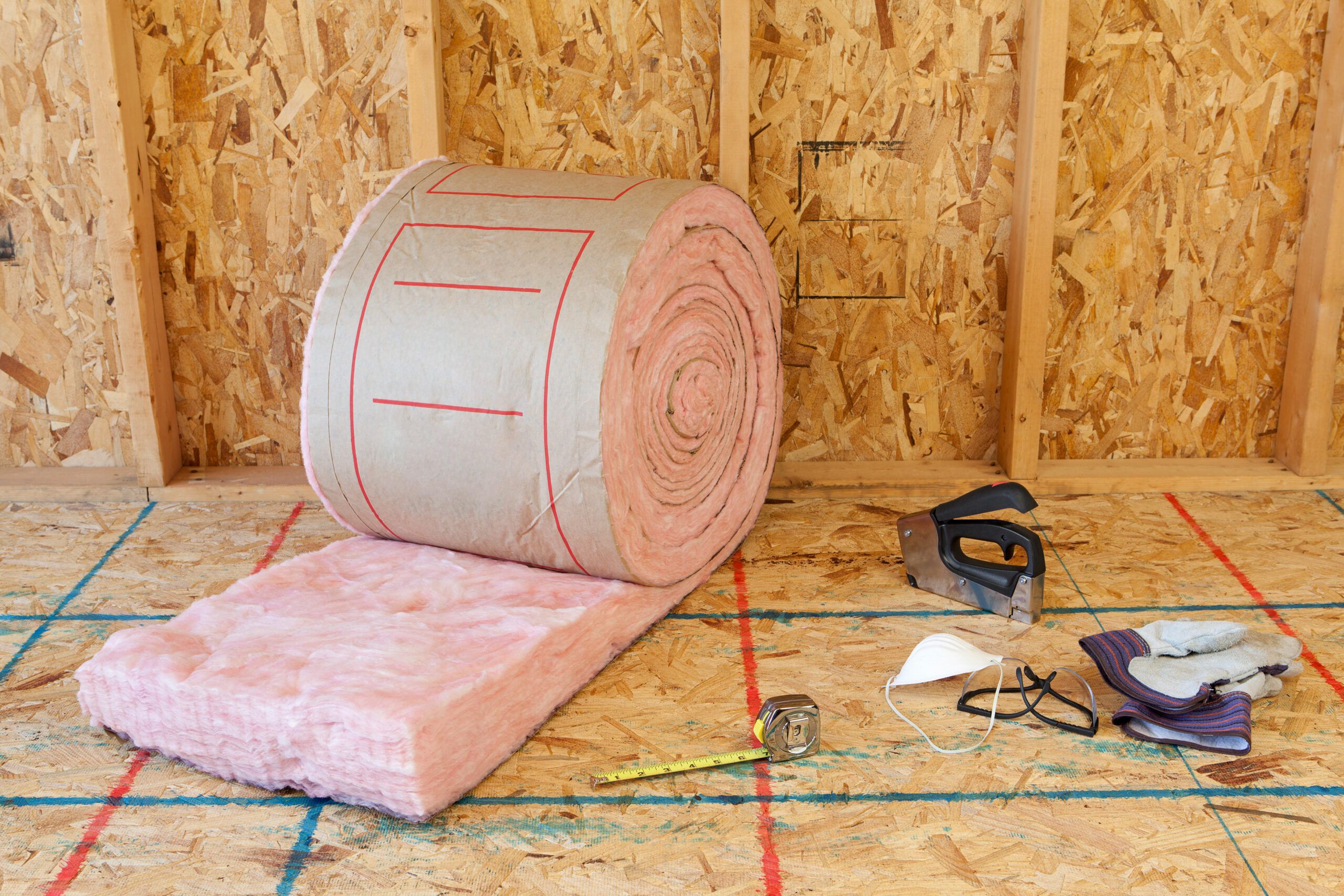
3. Fiberglass Batt Insulation
4. Encapsulation Systems
Open vs. Closed Crawl Spaces: Which One Should You Insulate?
There are two main types of crawl spaces—vented (open) and unvented (closed). How you insulate will depend on the type of crawl space you have.
Vented Crawl Spaces
Unvented Crawl Spaces (Encapsulated)
Steps to Insulating a Crawl Space
If you’re planning to insulate your crawl space, follow these steps for the best results:
Professional Installation vs. DIY
While DIY insulation projects can be tempting, hiring a professional ensures correct installation, especially for complex crawl space encapsulation. Professionals have the expertise to handle moisture issues, choose the best materials, and provide long-lasting insulation solutions.
Final Thoughts
Crawl space insulation is an essential yet often overlooked aspect of home comfort and energy efficiency. By properly insulating your crawl space, you can lower energy bills, prevent moisture problems, and improve your home's overall health. Whether you choose spray foam, rigid foam, or an encapsulation system, investing in crawl space insulation is a decision that pays off in the long run.
Looking for expert crawl space insulation services? Contact Kent Insulation today to get started on making your home more energy-efficient and comfortable!