

Masonry screws may be small in size, but their role in construction is anything but minor. These specialised fasteners are designed to anchor objects securely into tough materials like concrete, brick, and stone. Their unique design and strength make them indispensable in various construction and DIY projects. Whether you are a professional contractor or a DIY enthusiast, understanding masonry screws can help you achieve strong and lasting installations.
What Are Masonry Screws?
Masonry screws, often called concrete screws, are specifically engineered for use in hard materials. Unlike standard wood or metal screws, masonry screws have a tough, threaded design that allows them to grip into solid surfaces without requiring additional anchors. They are typically made from hardened steel and are often coated with materials like zinc or stainless steel to enhance durability and corrosion resistance.
Types of Masonry Screws
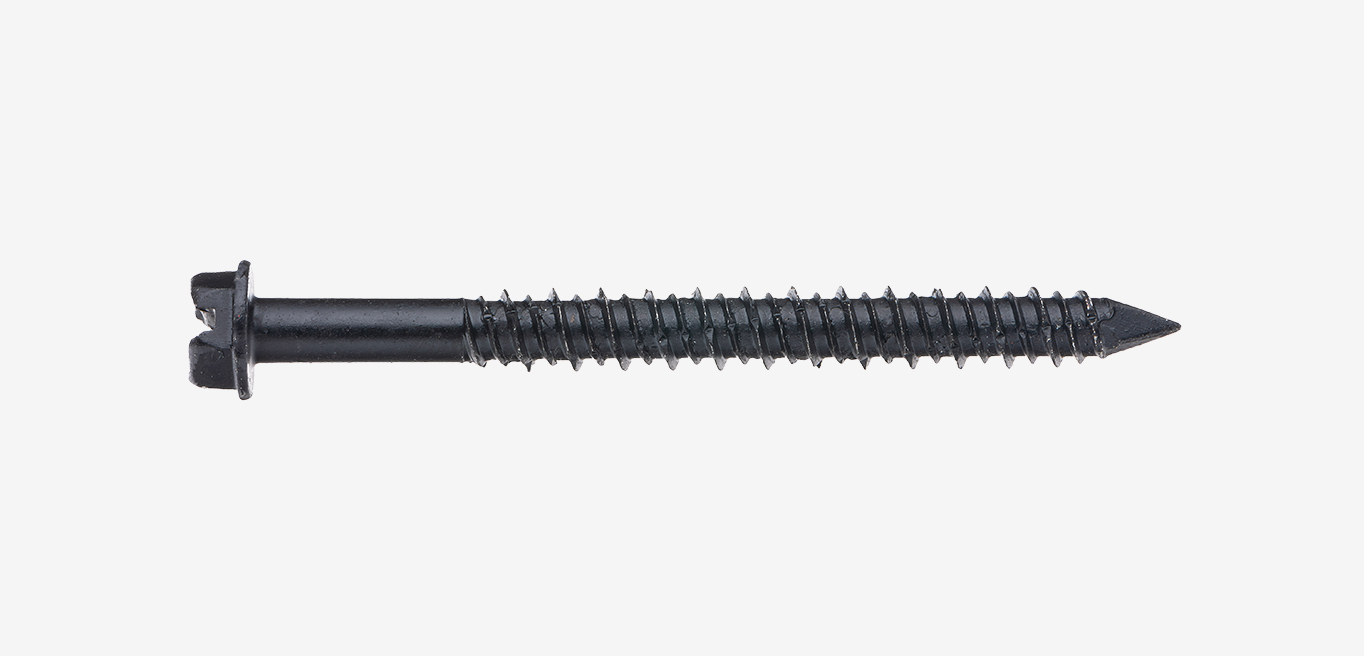
1. Hex Head Masonry Screws: These screws have a hexagonal head, making them ideal for high-torque applications. They provide a strong grip and are commonly used for heavy-duty anchoring in concrete or brick walls.
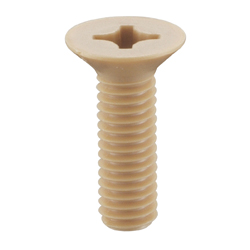
2. Flat Head Masonry Screws: Designed to sit flush with the surface, flathead masonry screws are used when a smooth finish is required. They are commonly used for securing electrical boxes, light fixtures, and cabinets.
3. Blue Tapcon Screws: One of the most popular brands of masonry screws, Tapcon screws feature a blue corrosion-resistant coating and are widely used in both residential and commercial construction.
Benefits of Using Masonry Screws
A. Strong Holding Power – Their deep threads create a firm grip, ensuring a secure connection.
B. Easy Installation – Unlike expansion anchors, masonry screws do not require pre-inserted hardware, simplifying the process.
C. Versatile Applications – They can be used for mounting shelves, securing framing, installing brackets, and much more.
D. Corrosion Resistance – Many masonry screws come with protective coatings, making them ideal for indoor and outdoor use.
How to Use Masonry Screws
I. Drill a Pilot Hole – Use a carbide-tipped masonry drill bit to create a hole slightly smaller than the screw diameter.
II. Clean the Hole – Remove dust and debris to ensure a secure fit.
III. Insert the Screw – Using a screwdriver or drill, drive the masonry screw into the hole until it is firmly in place.
Bottom-line
Masonry screws may be small, but their impact on the construction world is significant. Their durability, ease of use, and strong holding power make them a go-to solution for securing objects into tough surfaces. Whether you're working on a large construction project or a simple home improvement task, masonry screws provide reliability and strength, ensuring your installations stand the test of time.