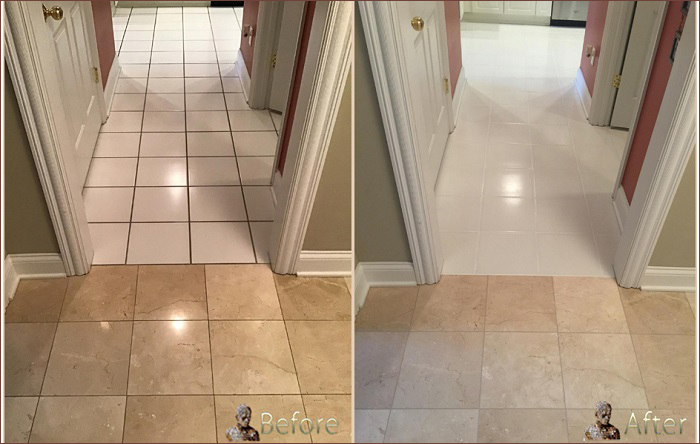


Epoxy grout combines epoxy resins and a filler - usually sand or another aggregate - to form a highly durable, water-resistant joint substance. Unlike cement-based grouts, which depend on hydration, epoxy grout cures by chemical reaction. That gives it superior resistance to moisture, stains, mould, cracking, and chemical damage. Cement grout may need sealing and frequent re-grouting over time; epoxy grout typically avoids those issues and lasts much longer when properly installed.
When to Choose Epoxy Grout: Applications & Advantages
Epoxy grout shines where durability and cleanability matter most - around pools, showers, kitchens, outdoor facades, and industrial spaces. Because it’s non-porous, it prevents water penetration and resists staining from oils, foods, or harsh cleaners. It also holds up under heavy traffic and regular cleaning. If you need grout for high-performance tiling - such as in commercial settings or areas exposed to freeze-thaw cycles - epoxy is a premium option worth the extra cost and effort.
Challenges and Limitations to Know
Despite its many strengths, epoxy grout isn’t perfect. It’s more expensive than cement-based versions, both in material and labour. Working time (the time before it begins hardening) is often short, meaning installers must work precisely and quickly. Epoxy grout also tends to be more difficult to apply cleanly - mistakes are harder to correct once set. In addition, its stiff texture can make cleanup harder on tools and tiles, especially with fine grout joints or textured tiles. Colour matching may also be more limited compared to the wide palette of cement-based grouts.
Installation Tips for Best Results
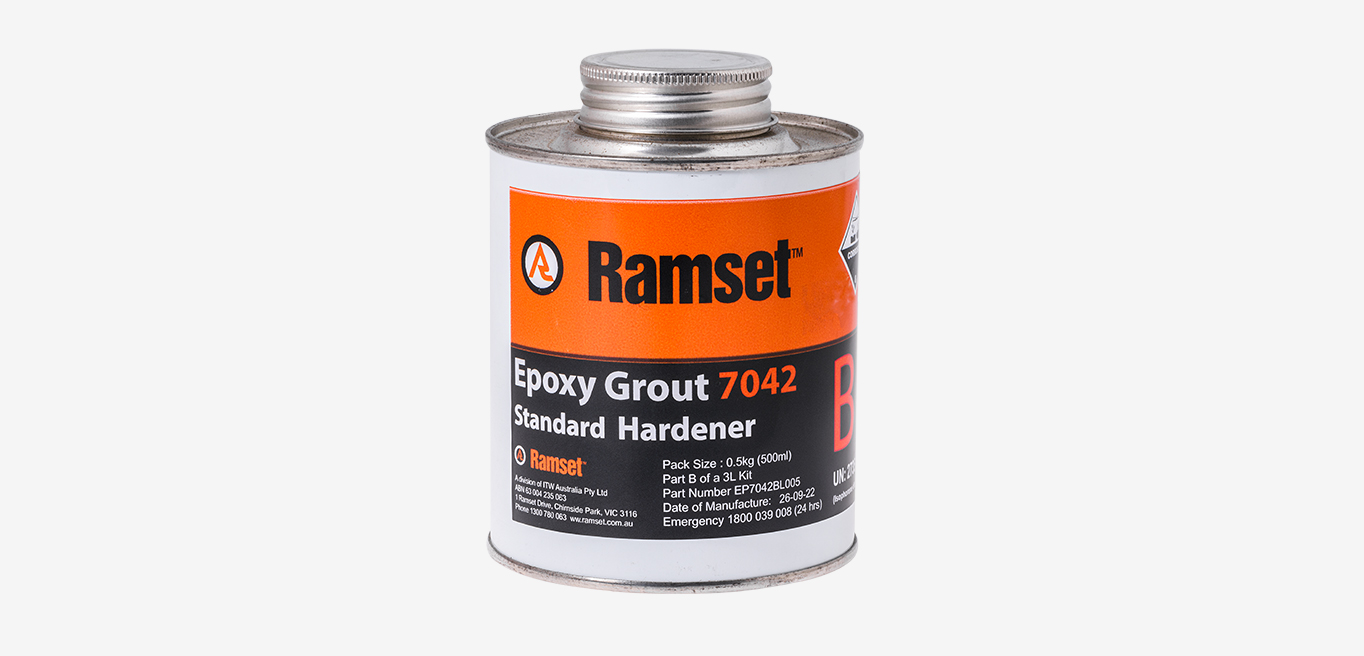
Preparation is key. Make sure tile joints are clean, uniformly wide, and moisture-wise at correct levels - too damp or too dry both slow curing. Mix epoxy resin and hardener in exact proportions for the recommended time, then add filler or colourant if required. Apply grout using a rubber float held at a 45-degree angle, pressing it firmly into joints to avoid voids. Wipe excess quickly - once it begins to set, removal becomes difficult without damaging joints.
Maintenance and Longevity Practices
Despite its resilience, epoxy grout still benefits from proper care. Use neutral-pH cleaners instead of acidic ones to avoid dulling or discolouring the epoxy’s surface. Avoid abrasive tools like steel wool, which can scratch it. For outdoor installations, check for any shifting movement (from the foundation or substrate) that could stress grout lines. If chips or cracks appear, small repairs can be done with matching epoxy in a “point patch” method.
Bottom Line
Epoxy grout is a premium solution for tiles in demanding environments. When properly selected, mixed, applied, and maintained, epoxy grout pays off handsomely - delivering clean lines, minimal upkeep, and years of reliable performance beyond what standard cement grout can offer.