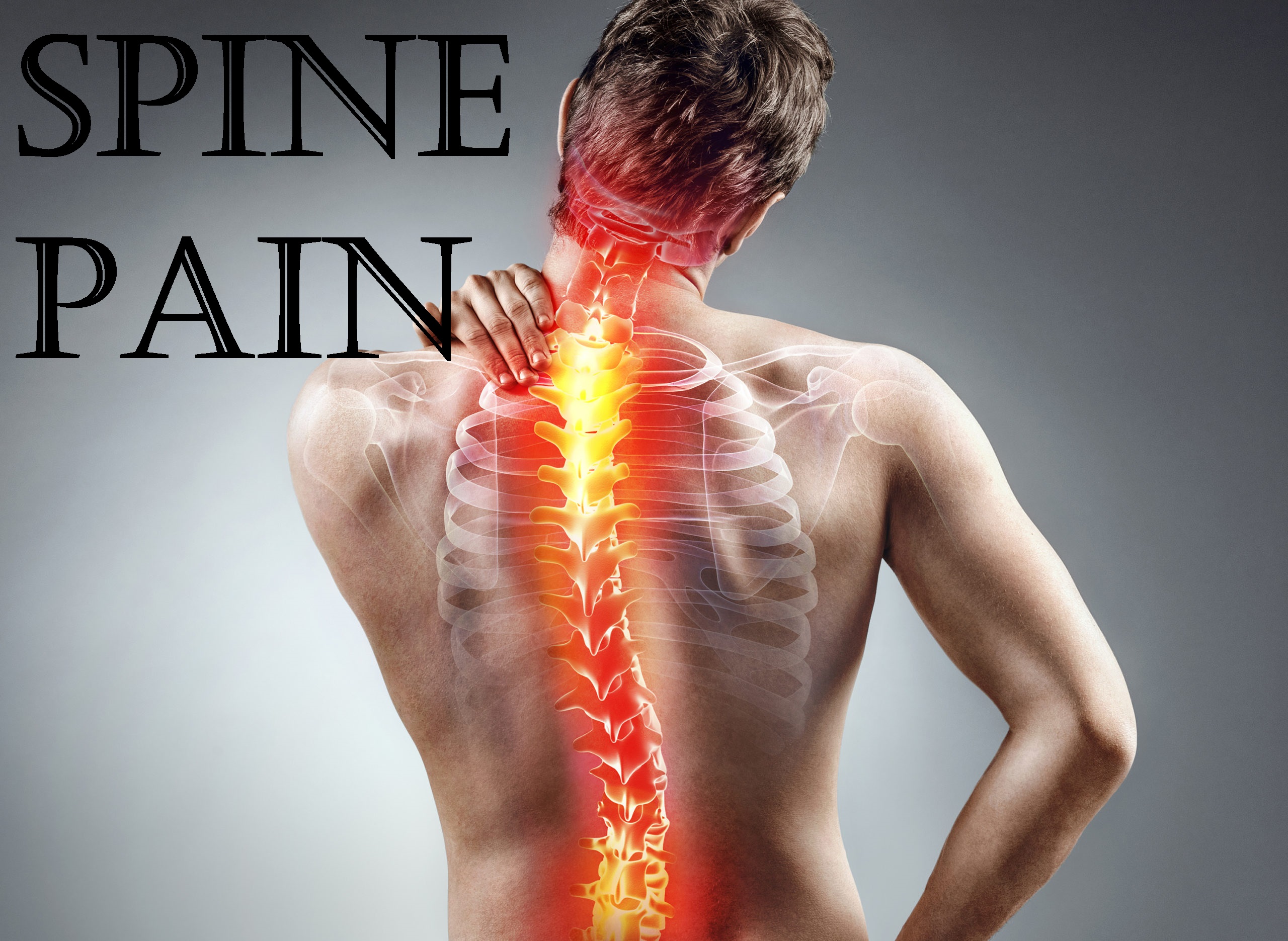
Spine injuries can drastically change an individual’s life, often leading to both physical and emotional challenges. The rehabilitation process, especially managing pain, is critical for individuals recovering from spine injuries, as pain can significantly impact their recovery, mobility, and overall quality of life. Whether the pain is acute or chronic, addressing it effectively is a key component of a successful rehabilitation journey.
Understanding Pain in Spine Injury Rehabilitation
Pain resulting from spine injuries generally falls into two categories:
Neuropathic Pain: Often caused by nerve damage from a spinal injury, neuropathic pain is described as sharp, burning, or tingling sensations that can be felt below the level of the injury. This type of pain is complex and can be challenging to manage, but it’s important to recognize it in rehabilitation efforts.
Musculoskeletal Pain: This pain is related to muscles, ligaments, and joints and is often a result of the injury itself or the strain placed on the body during rehabilitation. This pain is often mechanical in nature and is exacerbated by movement or physical activity.
Spine injury rehabilitation care focuses on addressing both types of pain to ensure that patients experience the most comfortable recovery possible. Several non-invasive techniques can be employed to help manage pain effectively.
Key Techniques for Managing Pain in Spine Injury Rehabilitation
1. Physical Therapy and Rehabilitation Exercises
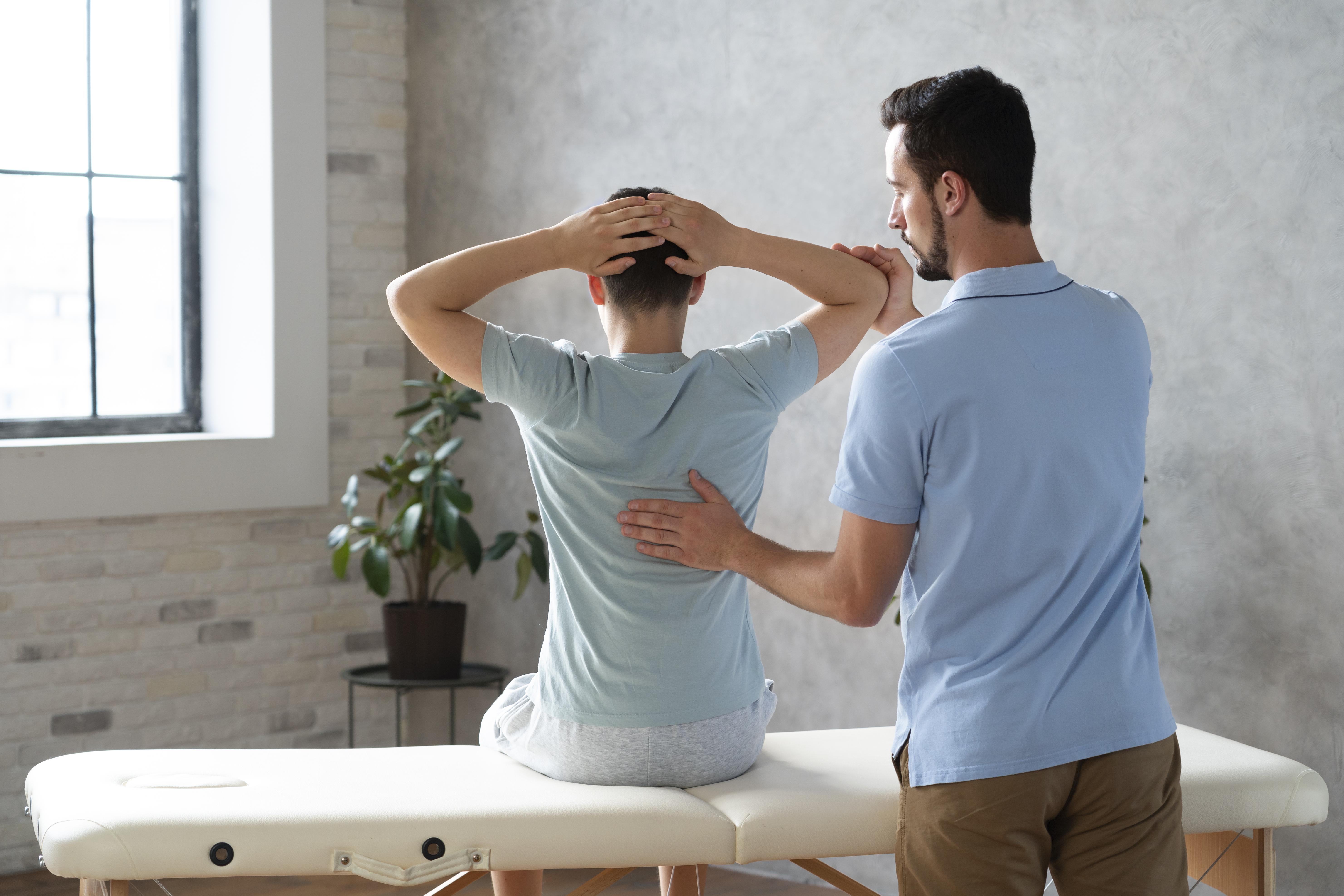
One of the most powerful tools in managing pain during spine injury rehabilitation is physical therapy. It’s not only effective for improving mobility but also for addressing pain directly through strengthening and stretching exercises.
Stretching and Range of Motion (ROM) Exercises: Regular stretching helps keep muscles flexible and prevents contractures, a common complication following a spinal injury. These exercises can help reduce stiffness, improve circulation, and reduce pain.
Strengthening Exercises: Strengthening the muscles around the spine, particularly the core and lower body, reduces strain on the injured area and helps manage musculoskeletal pain. These exercises also improve overall strength and endurance, aiding in mobility.
Postural Training: Many individuals with spine injuries develop poor posture that can exacerbate pain. Training to maintain proper alignment of the spine is key in managing discomfort and preventing further strain during daily activities.
Functional Training: Tasks like sitting up, transferring from a bed, or moving between positions can be painful during the rehabilitation phase. Over time, however, working with a therapist on these functional tasks reduces pain by strengthening muscles and improving mobility.
2. Heat and Cold Therapy
Cold and heat therapy are simple yet incredibly effective for managing pain, both in the acute and chronic stages of rehabilitation.
Cold Therapy: Cold compresses or ice packs can help reduce inflammation and numb sharp, acute pain. It’s especially useful after physical therapy sessions or when experiencing muscle strains and joint discomfort.
Heat Therapy: Heat therapy is ideal for relieving chronic pain, muscle spasms, and stiffness. A warm bath or heating pad can relax tense muscles, improve blood flow to the injured area, and reduce discomfort.
3. Transcutaneous Electrical Nerve Stimulation (TENS)
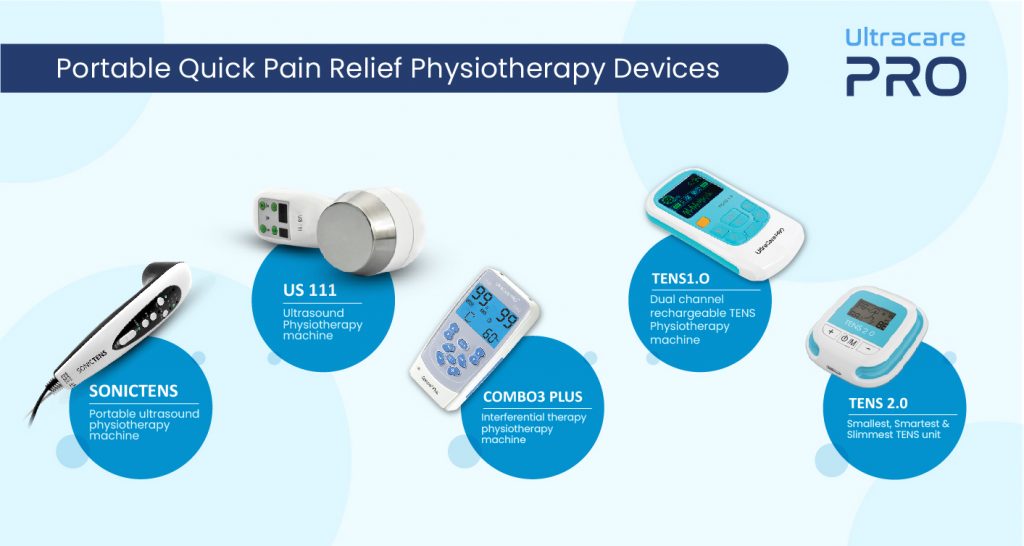
TENS therapy is a non-invasive treatment that involves applying electrodes to the skin near the pain site. The electrodes transmit electrical pulses to the nerves, blocking pain signals and providing relief. TENS has been shown to be effective for both neuropathic and musculoskeletal pain, making it an excellent option for many individuals in spine injury rehab care.
4. Massage Therapy
Massage therapy can offer significant relief to individuals dealing with spine injuries. Therapeutic massage targets tight muscles, reduces tension, and promotes blood circulation, helping to alleviate pain and enhance relaxation.
Deep Tissue Massage: Focusing on the deeper layers of muscles and connective tissues, this technique can be helpful for reducing chronic pain, improving mobility, and addressing muscle imbalances caused by the injury.
Myofascial Release: This technique targets the fascia, which is the connective tissue surrounding muscles. By relieving tension in the fascia, myofascial release can be effective for treating areas of spasticity or muscle stiffness, common in spine injuries.
5. Aquatic Therapy
Aquatic therapy is one of the best low-impact options for managing pain during spine injury rehabilitation. The buoyancy of water reduces pressure on the spine and joints, allowing for greater movement and reduced discomfort during exercises. The warm water also helps relax muscles, reduce spasticity, and improve circulation, all of which contribute to pain relief.
In addition to being therapeutic, aquatic therapy provides an enjoyable way to stay active during rehabilitation, improving both physical and mental well-being.
6. Mind-Body Techniques: Meditation, Yoga, and Mindfulness
The mind-body connection plays a critical role in managing chronic pain. For individuals recovering from spine injuries, practices like meditation, yoga, and mindfulness can help reduce the perception of pain and improve overall emotional well-being.
Mindfulness and Meditation: These practices focus on cultivating awareness of the present moment, reducing anxiety, and promoting relaxation. Mindfulness-based stress reduction (MBSR) has been shown to help individuals manage chronic pain by altering how the brain processes pain.
Yoga: Yoga combines stretching, breathing exercises, and meditation, providing a holistic approach to pain management. It not only helps improve flexibility and strength but also reduces stress, anxiety, and the mental strain that often comes with chronic pain.
7. Cognitive Behavioral Therapy (CBT)
CBT is a psychological approach designed to help individuals cope with pain by addressing the thoughts and behaviors that may contribute to their experience of discomfort. Through CBT, individuals learn to reframe negative thought patterns, reduce emotional distress related to pain, and develop healthier coping strategies. CBT has proven to be effective in reducing the intensity of chronic pain and improving quality of life, especially in individuals with long-term spinal injuries.
Conclusion
Pain management is an essential component of spine injury rehabilitation. While medications may play a role in alleviating pain, non-pharmacological approaches can be just as effective and should form the foundation of any rehabilitation plan. By utilizing techniques such as physical therapy, heat and cold therapy, TENS, massage therapy, aquatic therapy, and mind-body interventions, individuals can significantly reduce pain and improve their quality of life during the rehabilitation process.
Ultimately, spine injury rehab care is about a holistic approach to recovery that combines physical, emotional, and mental well-being. Pain management techniques must be individualized to each person’s specific needs, ensuring that they can return to their daily activities with as much comfort and independence as possible. As research in spinal injury rehabilitation advances, new methods and strategies will continue to emerge, providing better solutions for pain relief and rehabilitation.
By addressing pain with a comprehensive, patient-centered approach, individuals with spine injuries can move forward on their path to recovery with greater comfort, confidence, and hope for the future.



Dr. Kiran Shete — Pune’s leading best spine pain treatment doctor in Pune, offering advanced non-surgical treatments for back pain, sciatica, and complex spine disorders.<