



Arthritis is one of the most prevalent chronic conditions worldwide, affecting over 350 million people. It encompasses more than 100 different types, with osteoarthritis and rheumatoid arthritis being the most common. This condition results in joint pain, swelling, stiffness, and a progressive decline in mobility. The severity of arthritis can range from mild discomfort to debilitating pain, significantly impacting daily life. According to the Centers for Disease Control and Prevention (CDC), arthritis is a leading cause of disability, limiting everyday activities for millions of individuals.
Arthritis primarily affects the joints, causing inflammation that can lead to long-term damage if not managed properly. Osteoarthritis, the most common form, is characterized by cartilage degeneration, which leads to pain and stiffness, particularly in weight-bearing joints such as the knees, hips, and spine. Rheumatoid arthritis, on the other hand, is an autoimmune disease where the body’s immune system mistakenly attacks the joints, causing severe inflammation and potential joint deformity. Other types of arthritis include psoriatic arthritis, gout, and ankylosing spondylitis, each with unique causes and symptoms.
While medication and lifestyle adjustments can help manage symptoms, orthopedic rehabilitation is a crucial component of comprehensive arthritis care. This structured approach includes specialized therapies, exercises, and pain management techniques to improve function and enhance the quality of life. By incorporating orthopedic rehabilitation care into a treatment plan, patients can experience increased mobility, reduced pain, and improved independence.
Understanding Orthopedic Rehabilitation for Arthritis
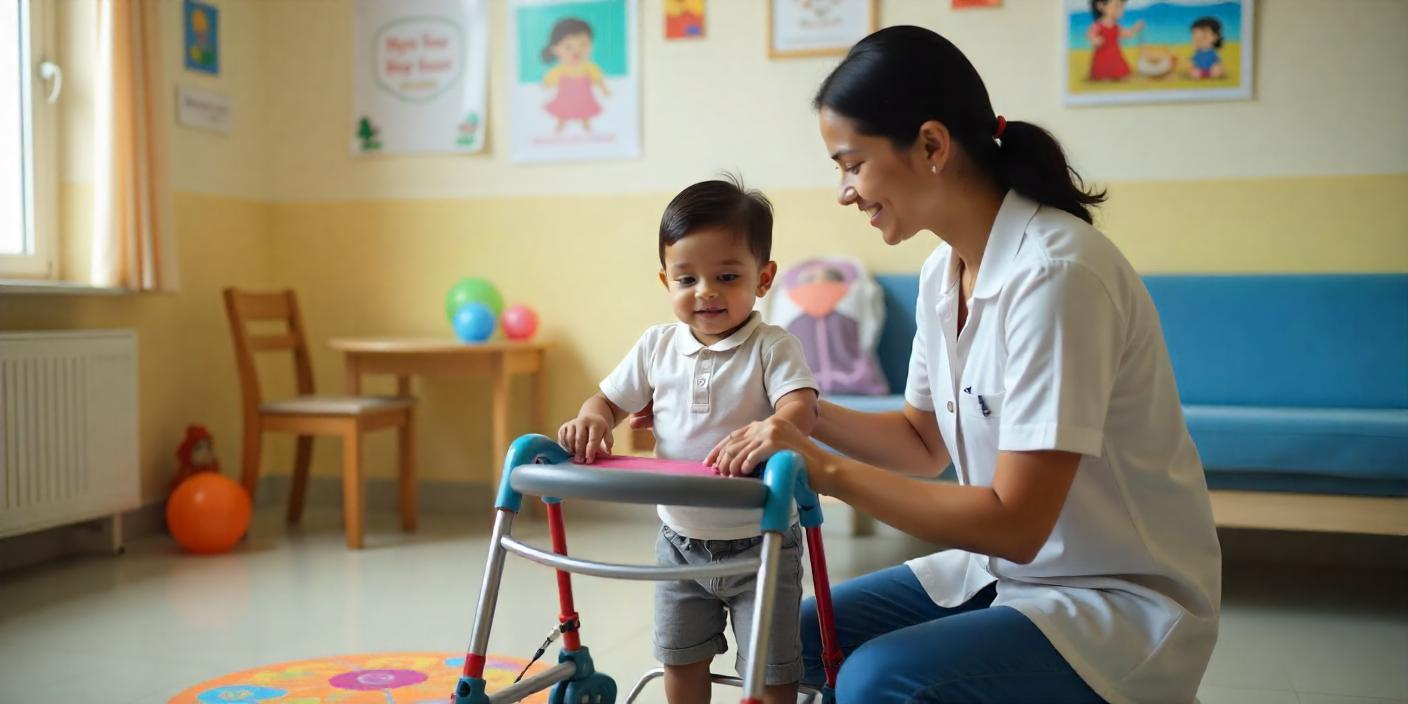
Orthopedic rehabilitation is a specialized program designed to help individuals recover from musculoskeletal conditions, including arthritis. At a dedicated orthopedic rehabilitation center, patients receive personalized treatment plans tailored to their specific needs. The primary goal of orthopedic rehabilitation care is to enhance mobility, reduce pain, and prevent further joint deterioration through targeted interventions.
Benefits of Ortho Rehab Care for Arthritis
Pain Reduction — Effective therapy methods help alleviate chronic joint pain.
Improved Mobility — Strength and flexibility exercises enhance movement.
Enhanced Muscle Support — Strengthening surrounding muscles reduces joint strain.
Injury Prevention — Correct movement patterns minimize the risk of worsening the condition.
Better Quality of Life — Rehabilitation programs restore independence and confidence in daily activities.
Customized Treatment Plans — Each patient receives individualized care to address their unique symptoms and limitations.
Faster Recovery — Structured rehab minimizes downtime and helps individuals return to their daily routines quickly.
Education on Joint Protection — Patients learn proper movement techniques to prevent further joint damage.
Post-Surgery Recovery Support — Helps patients who have undergone joint replacements or surgeries regain strength and mobility.
Exercises for Arthritis Management
Regular physical activity is a key component of ortho rehab care for arthritis. Here are some effective exercises tailored for individuals with arthritis:
1. Range of Motion Exercises
- Shoulder Rolls — Rotate shoulders forward and backward to improve flexibility.
- Ankle Circles — Rotate ankles to reduce stiffness and improve circulation.
- Wrist Flexion and Extension — Move wrists up and down to enhance joint function.
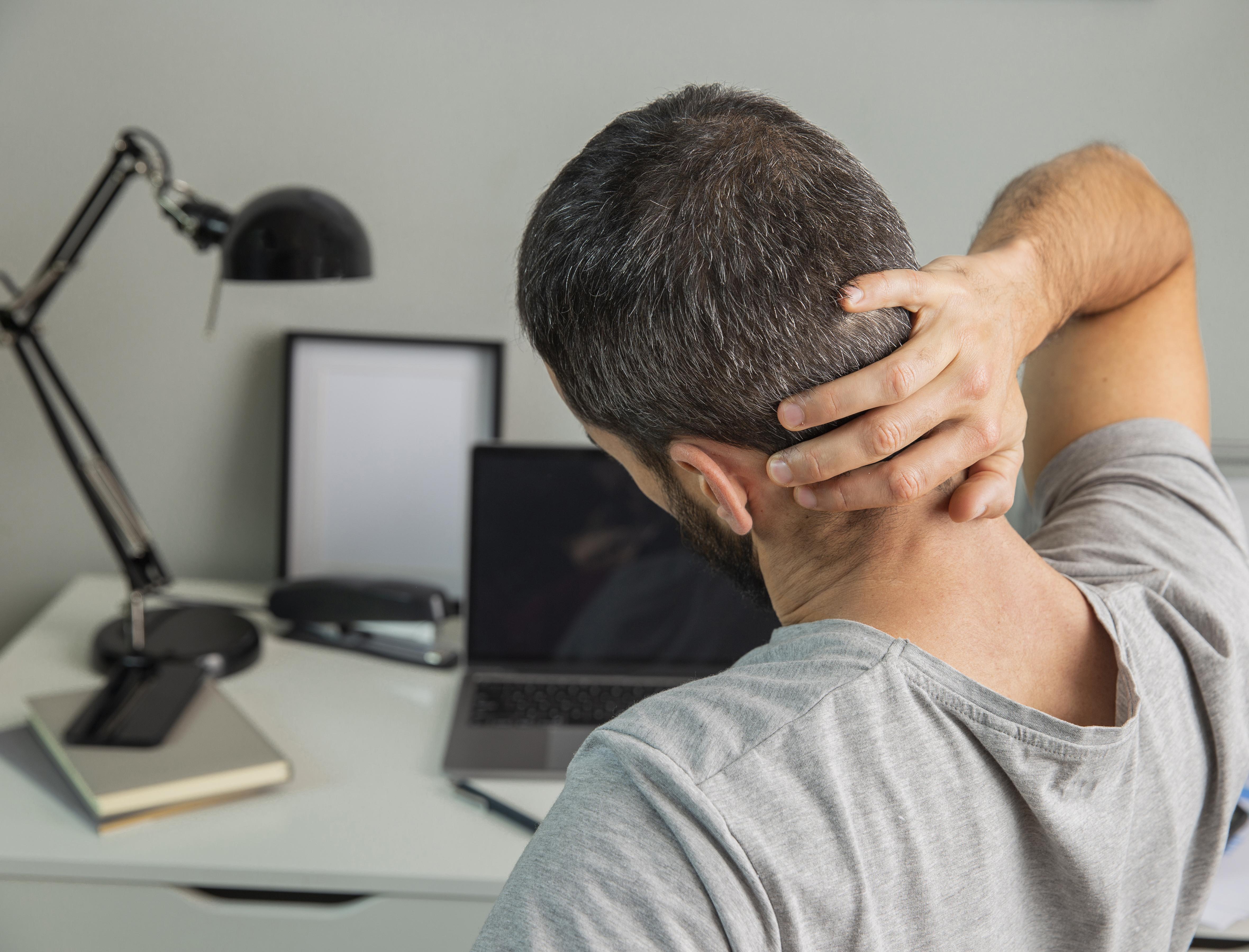
- Neck Stretches — Gently tilt the head side to side and forward to ease neck tension.
- Hip Rotations — Rotate hips in circular motions to maintain flexibility.
- Finger Flexing and Stretching — Improves dexterity and reduces hand stiffness.
2. Strengthening Exercises
- Leg Raises — Strengthen leg muscles to support knee joints.
- Seated Knee Extensions — Improve quadriceps strength for better knee stability.
- Hand Grip Exercises — Enhance hand strength for better grip and function.
- Wall Push-Ups — Strengthen upper body muscles without putting strain on joints.
- Chair Squats — Build leg strength while maintaining knee support.
- Resistance Band Exercises — Helps strengthen muscles around affected joints gently.
3. Low-Impact Aerobics
- Swimming — Reduces joint stress while enhancing flexibility and endurance.
- Cycling — Improves cardiovascular health without excessive joint pressure.
- Walking — A gentle way to maintain mobility and prevent stiffness.
- Elliptical Training — Provides a smooth, joint-friendly workout.
- Water Aerobics — Engages muscles with minimal impact on joints.
- Dancing — Promotes movement and enhances coordination while being enjoyable.
4. Balance and Stability Exercises
- Single-Leg Stand — Enhances coordination and prevents falls.
- Heel-to-Toe Walk — Strengthens the lower body and improves balance.
- Tai Chi or Yoga — Promotes flexibility, relaxation, and joint health.
- Core Strengthening — Exercises like planks help stabilize the body and reduce joint stress.
- Step-Ups — Improves balance and lower body strength.
- Stability Ball Exercises — Helps improve core strength and stability.
Pain Relief Strategies in Orthopedic Rehabilitation
Managing arthritis pain effectively requires a combination of therapeutic techniques and self-care strategies. The following approaches are commonly integrated into orthopedic rehabilitation care:
1. Physical Therapy Techniques
- Manual Therapy — Hands-on techniques to reduce stiffness and improve mobility.
- Posture Correction — Proper alignment to relieve joint stress.
- Hydrotherapy — Water-based exercises to reduce joint pressure and pain.
- Myofascial Release — Reduces muscle tightness and enhances circulation.
- Stretching Routines — Prevents stiffness and enhances joint function.
- Ultrasound Therapy — Uses sound waves to relieve deep tissue pain.
2. Pain Management Therapies
- Heat Therapy — Using warm compresses or hot baths to relax muscles and joints.
- Cold Therapy — Applying ice packs to reduce inflammation and numb pain.
- Transcutaneous Electrical Nerve Stimulation (TENS) — A technique that uses electrical impulses to reduce pain perception.
- Massage Therapy — Reduces muscle tension and promotes relaxation.
- Acupuncture — Helps alleviate chronic pain through targeted pressure points.
- Cognitive Behavioral Therapy (CBT) — Helps manage pain perception through mental techniques.
3. Use of Assistive Devices
- Braces & Splints — Provide joint support and reduce strain.
- Canes & Walkers — Help maintain balance and mobility.
- Ergonomic Modifications — Adjustments in daily activities to prevent joint stress.
- Adaptive Tools — Special utensils and grips for easier handling of objects.
- Orthopedic Shoes — Designed to reduce foot and ankle stress.
- Shock-Absorbing Insoles — Minimize impact on joints during movement.
Role of an Orthopedic Rehabilitation Center
A well-equipped orthopedic rehabilitation center provides comprehensive services to ensure effective arthritis management. The specialized rehab programs are designed to:
- Offer personalized treatment plans based on individual assessments.
- Utilize advanced therapy techniques to restore joint function.
- Provide continuous patient education on arthritis management.
- Implement the latest research-backed rehabilitation methods.
- Foster a supportive environment for long-term wellness.
- Offer group therapy sessions for motivation and social support.
How to Get the Most Out of Ortho Rehab Care
Follow a Consistent Exercise Routine — Regular movement prevents joint stiffness and improves strength.
Adopt a Healthy Diet — Anti-inflammatory foods like fish, nuts, and leafy greens help reduce arthritis symptoms.
Stay Hydrated — Proper hydration supports joint lubrication and overall function.
Seek Professional Guidance — Working with specialists ensures safe and effective rehabilitation.
Use Supportive Footwear — Proper footwear reduces joint impact and improves posture.
Maintain Good Posture — Proper alignment alleviates joint stress and enhances movement efficiency.
Get Enough Rest — Quality sleep is essential for tissue repair and pain management.
Engage in Mindfulness Activities — Techniques like meditation and breathing exercises reduce stress and inflammation.
Conclusion
Arthritis management requires a comprehensive approach, and orthopedic rehabilitation plays a pivotal role in improving joint function and reducing pain. Through targeted exercises, pain relief strategies, and expert guidance from an orthopedic rehabilitation center, individuals can regain mobility and enhance their daily lives.
By adopting a structured ortho rehab care program, individuals can prevent further joint deterioration and promote long-term joint health. Commitment to rehabilitation ensures improved muscle strength, greater flexibility, and enhanced endurance, all of which contribute to better overall well-being. With a combination of professional guidance and self-care strategies, arthritis sufferers can take control of their condition, maintaining an active and independent lifestyle despite the challenges posed by arthritis.


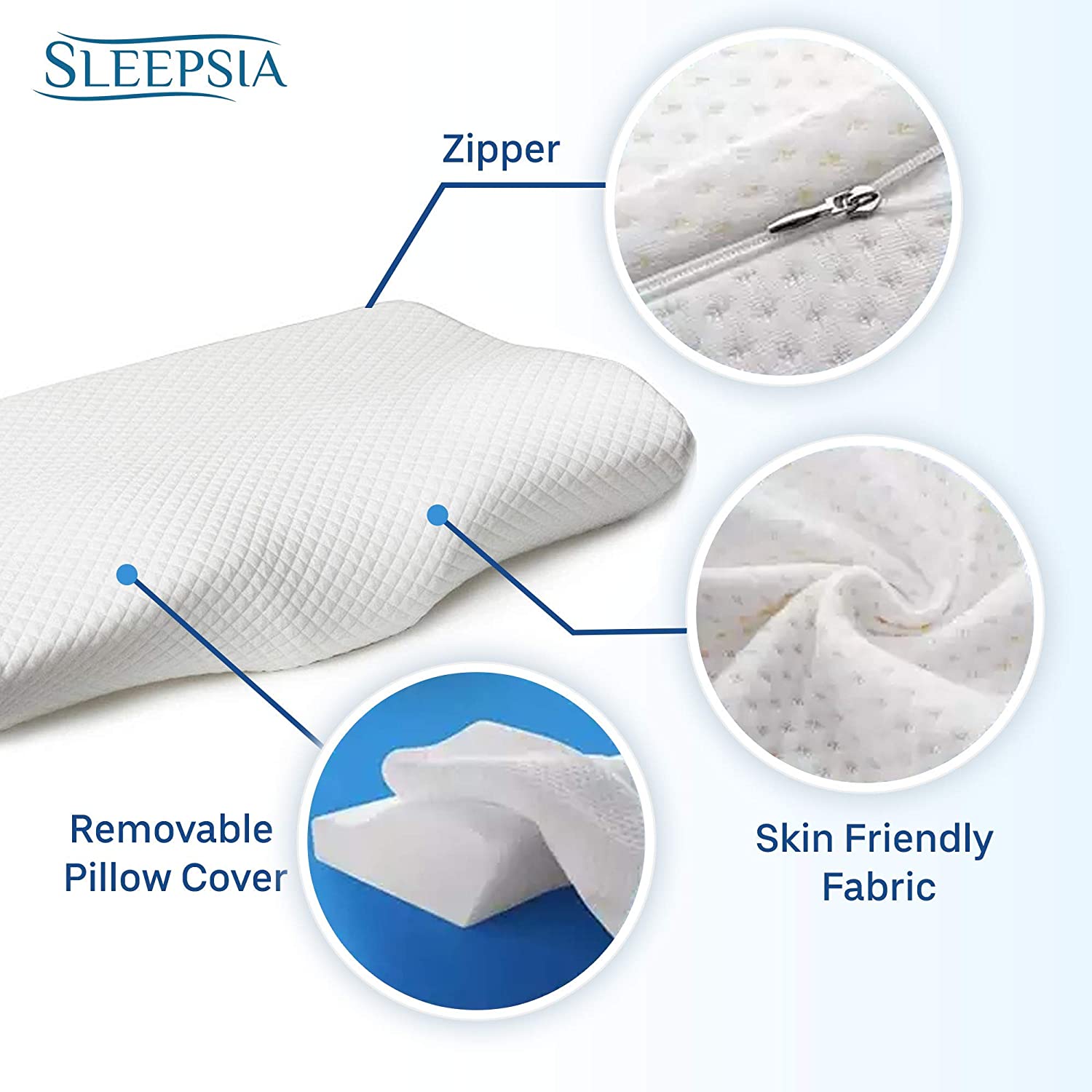

Choose best Orthopedic dog bed are especially recommended for dogs that are growing old, have undergone surgery or if they are diagnosed with arthritis.