Lean Manufacturing is built on the foundation of continuous improvement, focusing on efficiency, waste reduction, and value creation. Over the years, its principles have evolved significantly, especially with the rise of Industry 4.0. The introduction of digital technologies has reshaped Lean methodologies, enabling manufacturers to make smarter, data-driven decisions.
Let’s explore how modern advancements like automation, real-time data, and AI have transformed Lean Manufacturing.
1. The Shift to Digital-Driven Lean Manufacturing
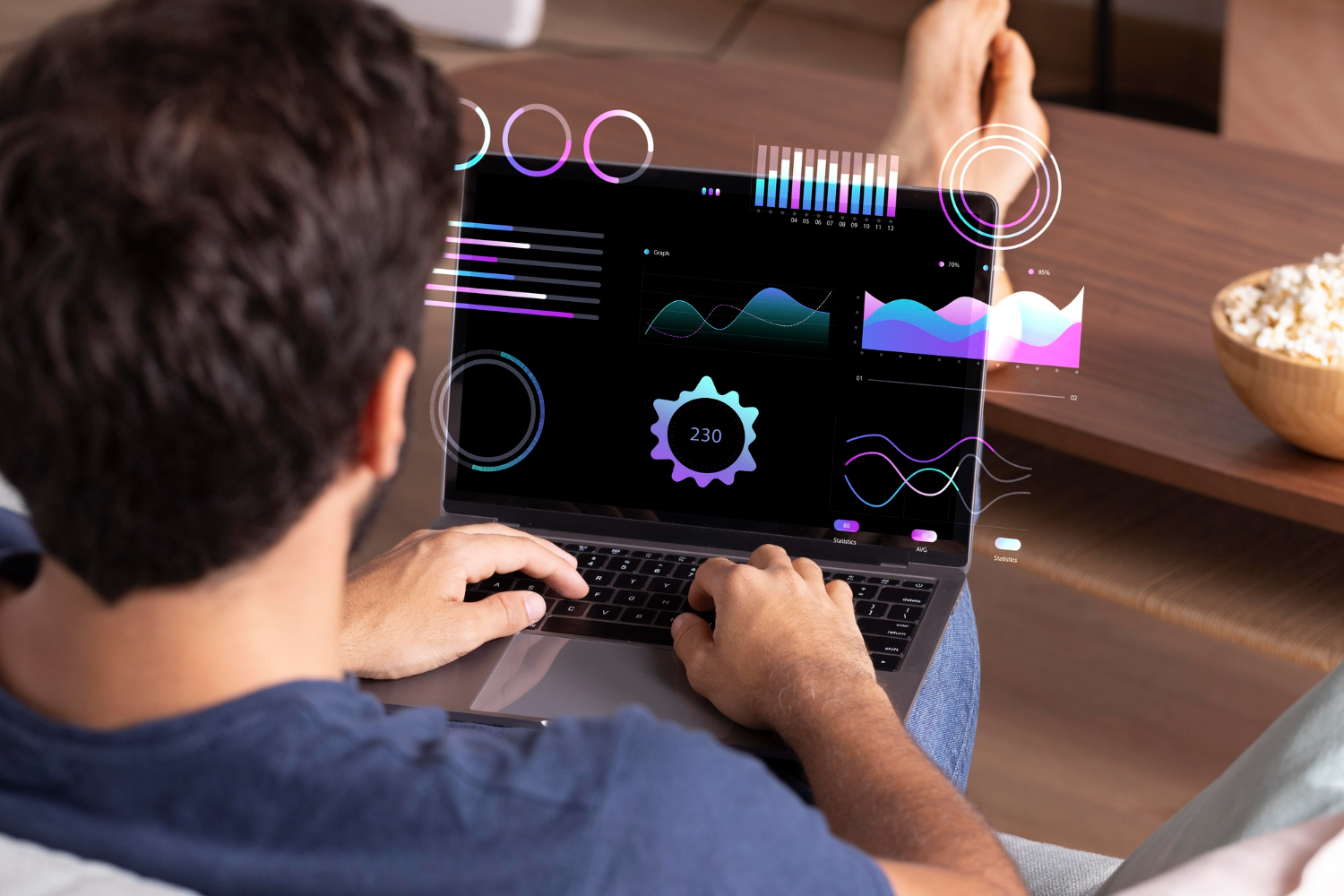
Traditional Lean Manufacturing focused on streamlining workflows, reducing waste, and optimizing production. However, the rise of Industry 4.0 has introduced powerful tools like the Industrial Internet of Things (IIoT), Artificial Intelligence (AI), and data analytics, which allow manufacturers to move beyond conventional methods. These technologies provide real-time insights, helping businesses make more precise decisions and continuously improve their operations. With real-time machine communication and AI-driven analysis, manufacturers can achieve levels of efficiency that were previously unattainable.
A key factor in this transformation is the ability to reduce changeover time, ensuring production lines switch between tasks seamlessly without unnecessary downtime.
Key Advancements:
• Real-time data collection through IIoT and smart sensors.
• AI-driven decision-making to improve accuracy and efficiency.
• Optimized workflows that help reduce changeover time and increase uptime.
2. Automation and Smart Factories in Lean Manufacturing
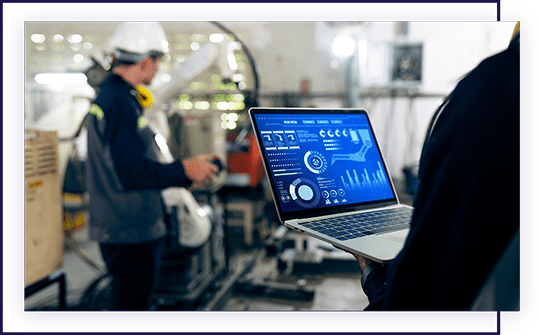
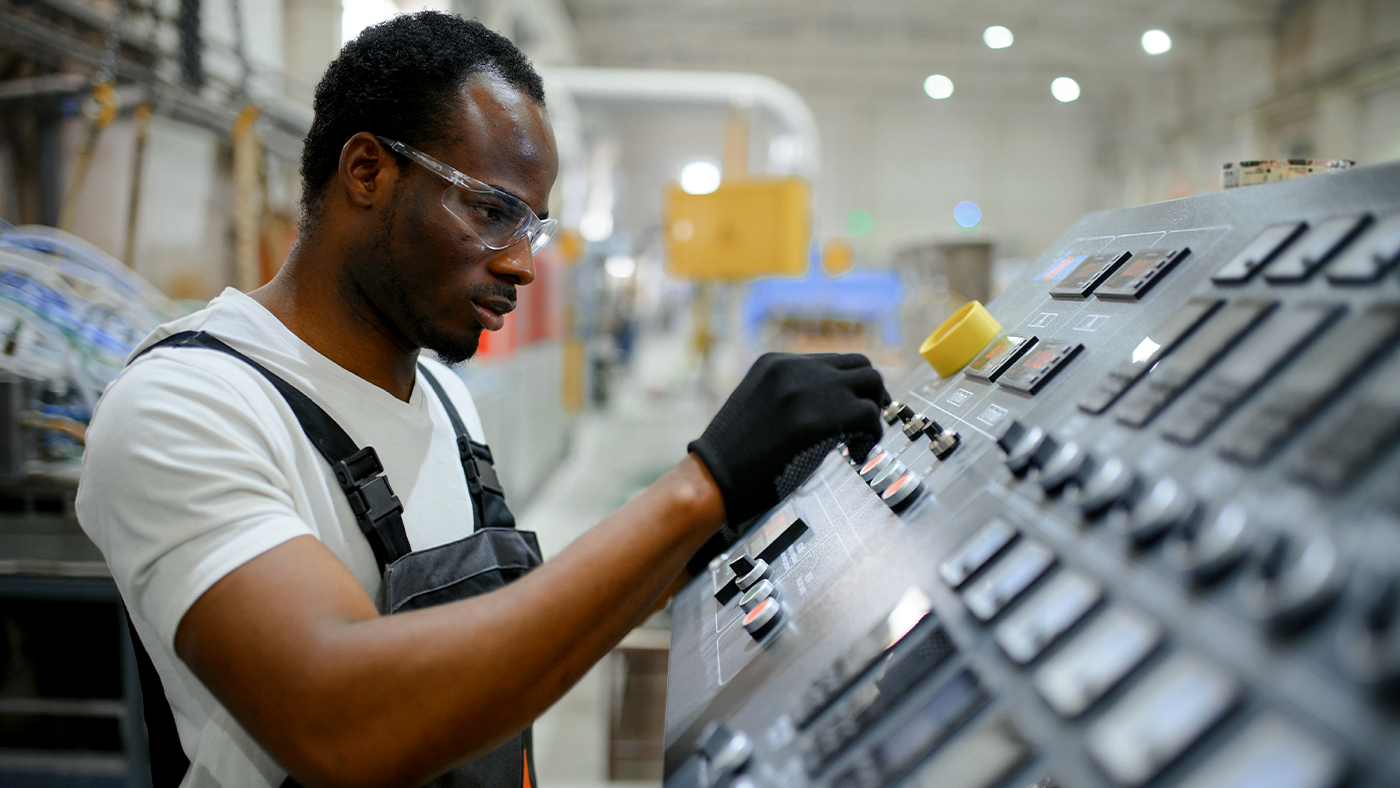
Automation is at the core of modern Lean Manufacturing. By integrating machine connectivity, predictive maintenance, and AI-powered optimization, smart factories can now self-adjust production speeds, minimize downtime, and reduce human error. One of the most impactful benefits of automation is its ability to reduce changeover time between production runs. By automating setup processes and leveraging data-driven scheduling, manufacturers can ensure smoother transitions with minimal disruption.
Key Advancements:
• Machines now communicate in real-time to optimize production.
• Automated systems help reduce changeover time, eliminate errors, and improve efficiency.
3. Enhancing Efficiency with MOM Systems
Manufacturing Operations Management (MOM) systems play a critical role in modern Lean environments. These systems connect every aspect of production, from scheduling and inventory tracking to quality control. With real-time visibility across operations, manufacturers can ensure smooth workflows and prevent bottlenecks. By integrating MOM systems, manufacturers gain greater control, efficiency, and responsiveness—key factors in today’s fast-paced production environments. Additionally, MOM systems help reduce changeover time by optimizing production schedules and ensuring that materials and resources are available when needed.
Key Advancements:
• Improved real-time visibility and control across production lines.
• Seamless integration of scheduling, quality control, and workflow management.
• Data-driven scheduling to reduce changeover time and enhance productivity.
4. The Role of OEE & Takt Time in Lean Optimization
Optimizing Overall Equipment Effectiveness (OEE) and Takt Time has become a priority for manufacturers looking to streamline production. With real-time monitoring and advanced analytics, factories can quickly identify inefficiencies and adjust their production schedules accordingly. A major contributor to low OEE is excessive downtime during product switches. By focusing on strategies to reduce changeover time, manufacturers can improve machine utilization, increase throughput, and maintain consistent production flow.
Key Advancements:
• AI and data-driven insights help optimize OEE and reduce waste.
• Takt Time adjustments ensure a balanced production flow.
• Faster setup and transition processes help reduce changeover time and minimize disruptions.
Final Thoughts
Lean Manufacturing is no longer just about eliminating waste—it’s about leveraging technology to drive smarter, more efficient production. The integration of automation, AI, IIoT, and MOM systems is revolutionizing the way manufacturers approach continuous improvement. By focusing on strategies to reduce changeover time, manufacturers can enhance productivity, improve quality, and stay ahead in an increasingly competitive industry.