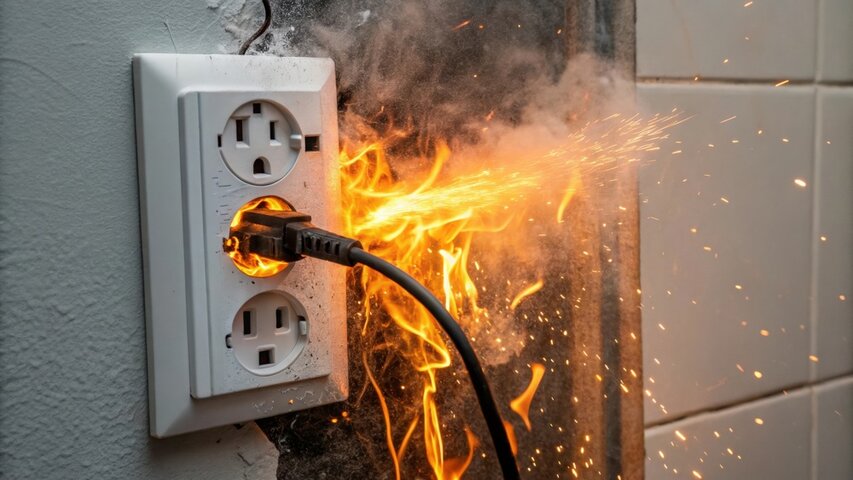
Electrical fires are among the most dangerous and preventable household hazards. In Australia, faulty wiring, overloaded circuits, and ageing electrical systems are some of the most common causes of residential and commercial fires. While many people assume that flickering lights or a buzzing outlet are minor annoyances, these can actually be warning signs of serious electrical problems.
Ensuring that your power outlets are safe is a crucial step in protecting your home or workplace from potential fire hazards. Understanding how faulty wiring contributes to electrical fires can help you identify issues early and take preventive action before disaster strikes.
The Dangers of Faulty Wiring and Its Role in Electrical Fires
Faulty wiring is one of the leading causes of electrical fires in homes and businesses. When wiring is damaged, outdated, or improperly installed, it can overheat, spark, or create excessive electrical resistance. Over time, this can ignite nearby materials such as insulation, wood, or carpet, leading to a fire.
1. Overloaded Circuits
One of the most common causes of electrical fires is circuit overload. Each circuit in your home or workplace is designed to handle a specific electrical load. When too many appliances or devices are plugged into the same circuit, the wiring can overheat, increasing the risk of fire.
How to prevent circuit overload:
- Avoid using too many high-wattage devices on a single outlet.
- Use power boards with built-in surge protection.
- Have an electrician assess your circuit load if you frequently experience tripped breakers.
2. Loose or Damaged Wiring
Loose or damaged wiring can cause arcing, where electricity jumps from one wire to another, creating a high-temperature spark. Over time, these sparks can ignite surrounding materials.
Signs of loose or damaged wiring:
- Flickering or dimming lights.
- Outlets or switches that feel warm to the touch.
- A burning smell near power points.
3. Outdated Electrical Systems
Many older homes and buildings in Australia still use wiring that isn’t equipped to handle modern electrical loads. Outdated systems may lack proper grounding, use deteriorated insulation, or contain materials like aluminium wiring, which are more prone to overheating.
Upgrading an outdated system can:
- Reduce fire risks associated with old, deteriorating wires.
- Improve electrical efficiency and safety.
- Allow your property to handle modern appliances safely.
4. Poor DIY Electrical Work
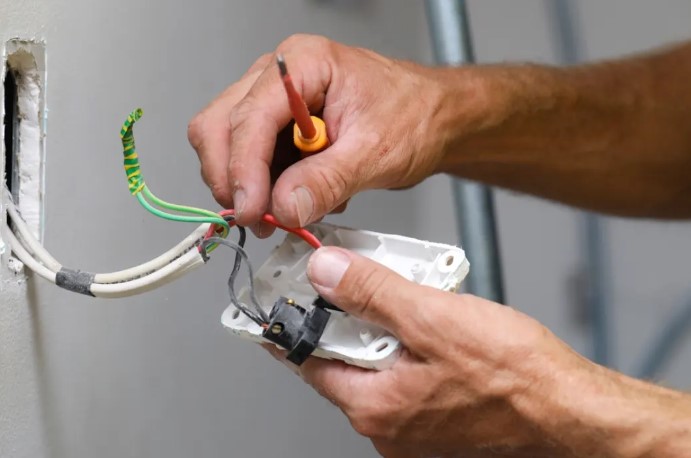
Electrical work should always be carried out by a licensed professional. Poorly installed wiring or DIY electrical repairs can lead to loose connections, improper grounding, and increased fire hazards.
Common DIY electrical mistakes include:
- Incorrectly installed light fittings and outlets.
- Using the wrong gauge of wire for an electrical load.
- Failing to secure connections properly, leading to arcing.
If you suspect past DIY work has compromised your home's electrical safety, a professional inspection is highly recommended.
Signs That Your Outlets May Be Unsafe
1. Discoloured or Burnt Outlets
If you notice black scorch marks, melted plastic, or discolouration on an outlet, this is a sign of excessive heat buildup, which could indicate faulty wiring behind the wall.
2. A Burning Smell Near Electrical Outlets
A persistent burning smell near an outlet or switch should never be ignored. This is a sign that wiring insulation may be melting, increasing the risk of fire.
3. Frequent Circuit Breaker Trips
Circuit breakers are designed to cut off power when an overload or short circuit occurs. If your breaker trips frequently, it may indicate a wiring problem that needs attention.
4. Buzzing or Crackling Sounds
Electrical outlets and switches should operate silently. If you hear buzzing, crackling, or sizzling noises, this could be a sign of loose wiring or arcing.
5. Electric Shocks from Outlets
A minor tingling or shock when plugging in an appliance suggests faulty grounding or damaged wiring. This is a serious safety hazard and should be addressed immediately.
How to Prevent Electrical Fires in Your Home or Business
Hire a Professional for Electrical Work
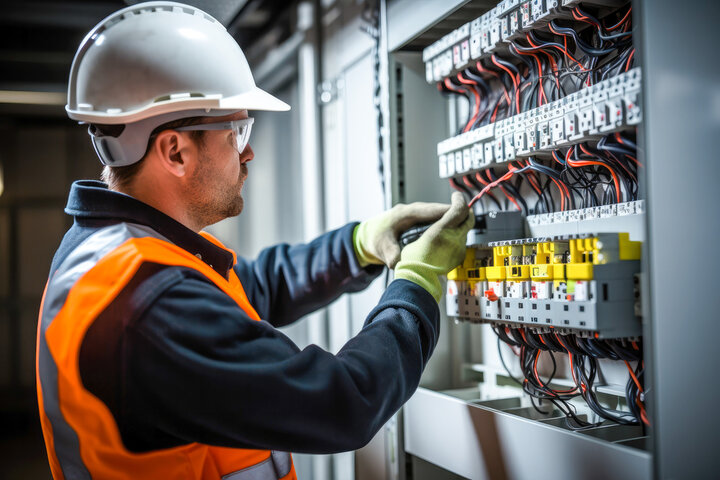
Whether you're installing new outlets, upgrading wiring, or troubleshooting an electrical issue, hiring a qualified electrician is the safest option.
For those dealing with recurring electrical problems, consulting an electrician in Western Sydney can ensure your wiring is safe and compliant with Australian standards. Many older properties in the region were built with wiring that may no longer meet modern safety requirements, making professional assessments essential for fire prevention.
Schedule Regular Electrical Inspections
Having a licensed electrician inspect your wiring, outlets, and switchboards can help identify and fix potential hazards before they become dangerous. An inspection is especially important if your home is older or has undergone recent renovations.
Upgrade Faulty or Outdated Wiring
If your home or business has old wiring, aluminium wiring, or ungrounded outlets, upgrading your system can significantly reduce the risk of electrical fires.
Install Safety Switches and Surge Protectors
A Residual Current Device (RCD), also known as a safety switch, can instantly cut off power if a fault is detected. These devices are mandatory in new homes and highly recommended for older properties.
Surge protectors also help by preventing electrical surges that can damage appliances and lead to overheating.
Avoid Overloading Power Boards and Extension Cords
Power boards and extension cords should be used sparingly and should never be overloaded with too many high-wattage devices. If you find yourself relying on power boards frequently, it may be time to install additional outlets.
Conclusion
Faulty wiring is a serious fire hazard that should never be ignored. By staying aware of warning signs like flickering lights, burnt outlets, and circuit breaker trips, you can take action before an electrical fire occurs. Regular electrical inspections, safety switch installations, and wiring upgrades are some of the best ways to protect your property and loved ones from potential dangers.
If you suspect your wiring may be outdated or unsafe, contact a licensed electrician to assess your system and ensure it meets modern safety standards. A small investment in electrical safety today can prevent costly and devastating consequences in the future.
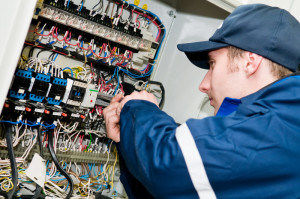
Do you want to find the finest electrician in LA?
SM Electrics services have your back.
Some projects should only be done by a professional, and we know you don’t want to mess with your electrical wiring or outlets unless you’re sure what you’re doing.
When you use the SM Electrics services platform to book a competent electrical contractor, you may eliminate all of your worries.
Why take the chance of complicating an electrical problem when you can hire a professional electrician to repair those broken outlets or run a cable to that new lighting fixture?